
Manufacturer · Germany · Mettlach · est. 1748
Villeroy & Boch
Villeroy & Boch (est. 1748) – ceramics maker in Mettlach, formed in 1836 by merging Boch and Villeroy; also had a plant in Septfontaines, Luxembourg.
About the manufacturer
- Years active
- est. 1748
- Country
- Germany
- Location
- Mettlach
The company's origins date back to 1748, when François Boch and his three sons began producing ceramics in Audun-le-Tiche in Lorraine. A factory operated in Septfontaines, Luxembourg, from 1766, and in 1809 the works moved into a former abbey in Mettlach, which became the company's headquarters. In 1836, the Boch factories merged with the Villeroy factory.
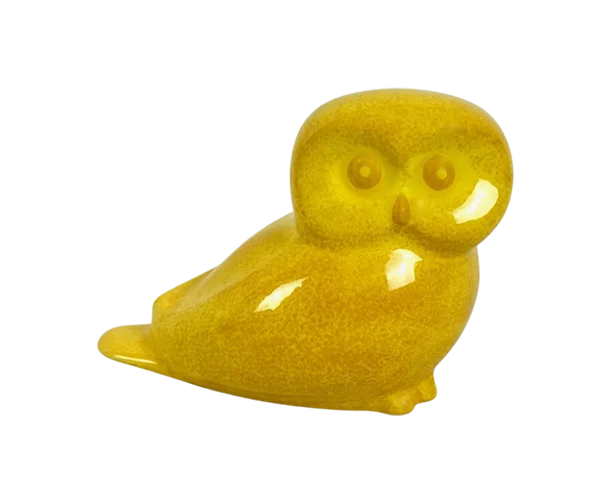
From 1953, the Luxembourg plant operated as a GmbH under the direction of Baron Antoine de Schorlemer, and from 1954 Ludwig Scherer was master modeller. The Bambi and Festival Ware lines of figurines were created in the 1950s, followed in 1958 by the Namur teapot and Filtralux coffee filter – the first products made from Vitro porcelain, to which the plant switched entirely in 1968. The Viking and Holiday decors, designed by Christine Reuter, are also well known. Most designs from the 1950s were not signed; items from the Articles de Fantaisie group bear a relief number on the underside, and in 1967, for the plant's 200th anniversary, the Mercure stamp with the date 1767 was reintroduced.
Production of vitrified porcelain began in Septfontaines in 1959. In 1975, the company began working with Luigi Colani on a bathroom concept; in 1976, it took over the Heinrich factory in Selb, and from 1980 it produced bone china. In 1986, it introduced the Mix & Match series; in 1987, it became a public limited company, and in 1990 it was listed on the stock exchange.
