
Vintage wall lights
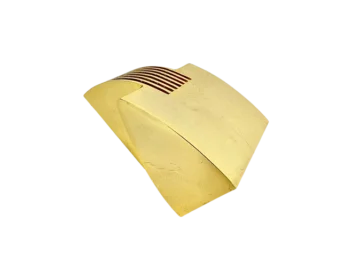
Arqui wall light, designed by Arch M. Sergi and Oscar Devesa, Metalarte, Spain, 1980s
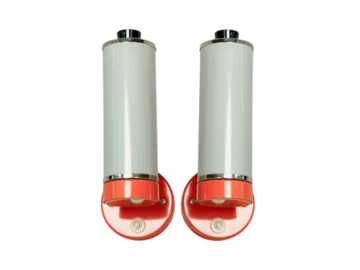
Pair of wall lights, designed by Josef Hůrka, Napako, Czechoslovakia, 1960s
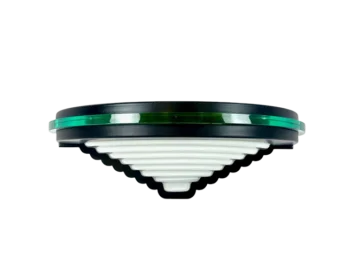
Cister wall light, IKEA, Sweden, 1980s
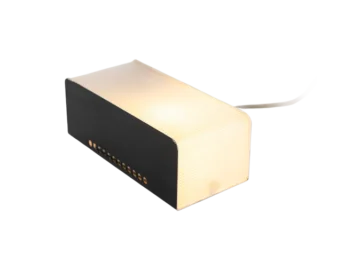
Vintage wall light, Pokrok Zilina, Czechoslovakia, 1960s
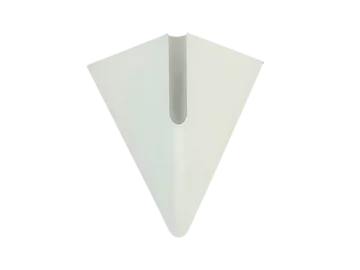
Geometric Trigolo wall lamp, designed by Giuliana Gramigna, Quattrifolio, Italy, 1980s
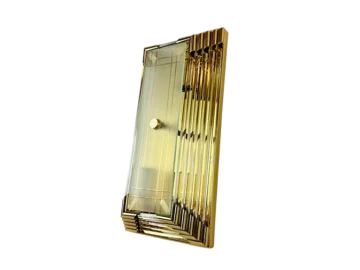
Wall light or ceiling light, Sölken Leuchten, Germany, 1960s
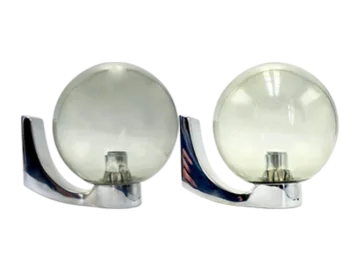
Bathroom wall lights, Netherlands, 1970s
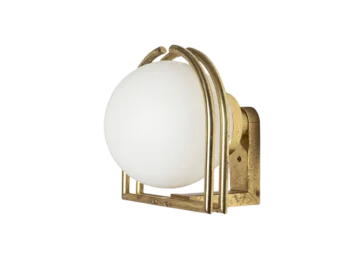
Wall lamp, Italy, 1970s
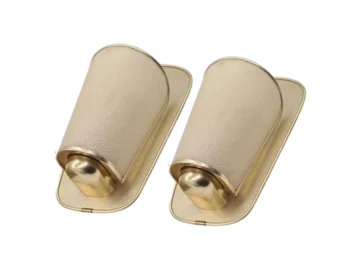
Pair of No. 430 wall sconces, by Erco Leuchten, Germany, 1960s/70s
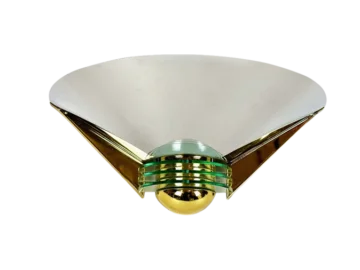
Wall light, designed by Simon & Schelle, Hustadt Leuchten, Germany, 1980s
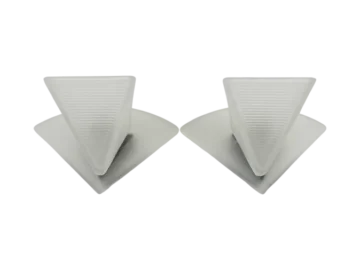
Murano wall lights, Alox, Italy, 1980s
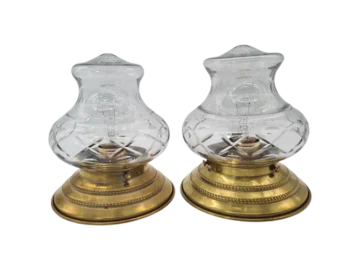
Glass Vintage Wall Sconces, 1970s
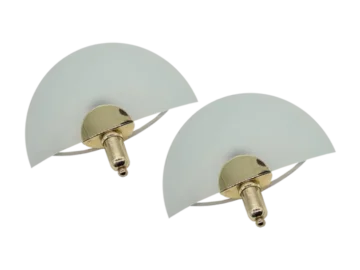
Pair of wall sconces TYPE: KEWA, by Electra, PRL, 1960s/70s
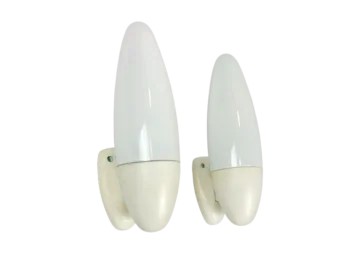
Set of wall lights, Elektrosvit Nové Zámky, Czechoslovakia, 1940s
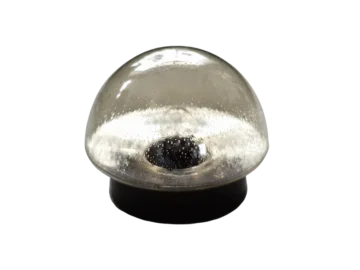
Vintage glass flush-mount / wall sconce, Germany, 1960s
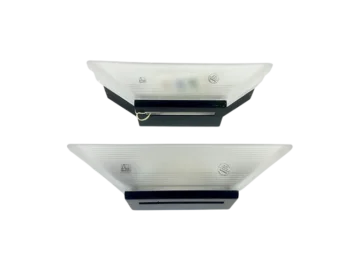
Murano glass wall lights, Alox, Italy, 1980s
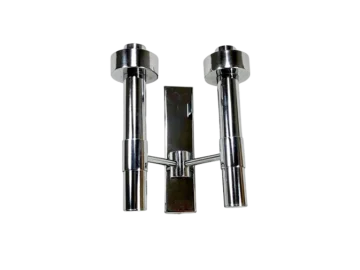
Vintage wall light, manufactured by Kaiser Idell / Kaiser Leuchten, Germany, 1960s
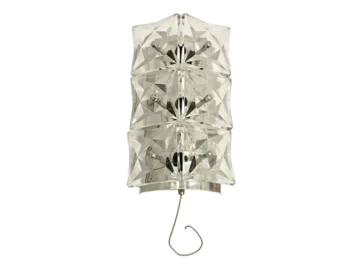
Crystal glass wall light, Kinkeldey, Germany, 1970s
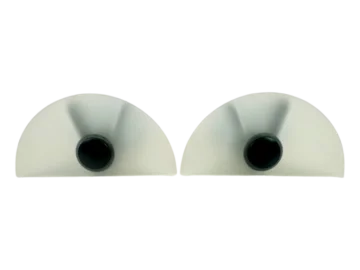
Postmodern wall lights, designed by Giuliana Gramigna, Quattrifolio, Italy, 1980s
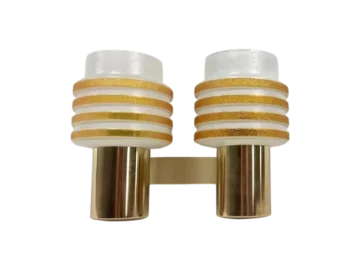
Brass wall light, Pokrok Zilina, Czechoslovakia, 1970s
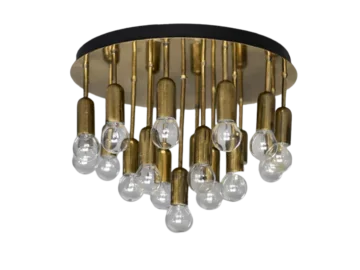
Brass flush-mount ceiling light / wall sconce, Cosack Leuchten, Germany, 1960s
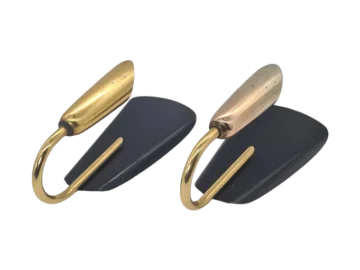
Modernist brass and aluminium wall lights, 1970s
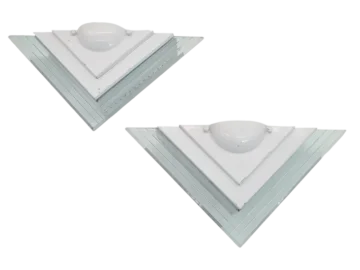
Geometric wall lights model 1302, Lighting House, Germany, 1990s
Vintage wall lights
A wall light is the detail that organises light in an interior: it highlights a painting, lights a hallway and sets the mood in a bedroom. We present wall lights from the 1960s and 70s, mainly from Germany, as well as from Poland, Italy, Czechoslovakia and Denmark.
The collection includes minimalist forms in lacquered metal, sconces with glass shades, brass models and lamps with swing arms – among them designs by Christian Dell and lights by the German makers Erco Leuchten and Cosack Leuchten, as well as the Swedish David GL Belysning.
Light on the wall
A pair of wall lights either side of the bed replaces bedside lamps and frees up space on the nightstands. A swing-arm wall light by an armchair creates a comfortable reading spot, and glass-shaded sconces give soft light in hallways and bathrooms. German wall lights of the 1960s and 70s stand out for precision of manufacture and clean, functional form.
Where a wall light works best
Wall lights are most often used in bedrooms, hallways and bathrooms, but they also work in living rooms – as accent lighting for a painting or to complement a ceiling light. Swing-arm models are practical by the bed and the armchair because they direct light for reading. Pairs of identical sconces either side of a mirror or sideboard create symmetry and bring order to the wall.
Mounting and wiring
We check the wiring of every wall light. The description gives its condition, how it connects – to a wall box or via a cable with a plug – and how it is mounted. More lamps can be found under Lighting and in the collections Mid-Century Modern and Space Age.
