Manufacturer · furniture · Sweden · Älmhult · est. 1943
IKEA
IKEA – Swedish company founded in 1943 by Ingvar Kamprad; from 1961, it commissioned furniture in Poland, including the ÖGLA chair from Radomsko.
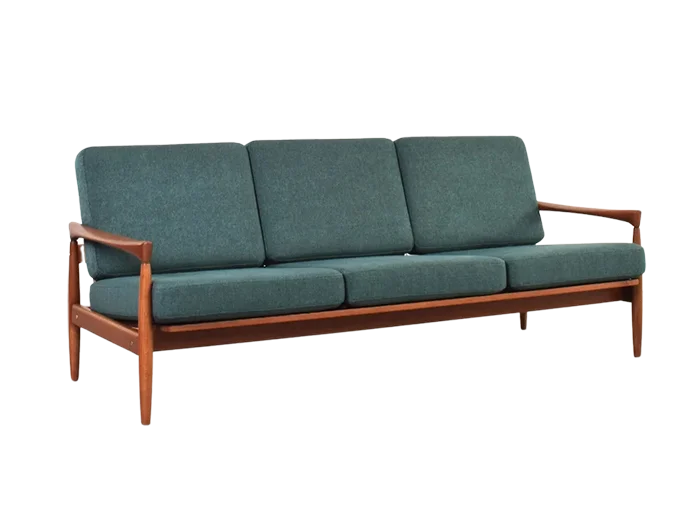
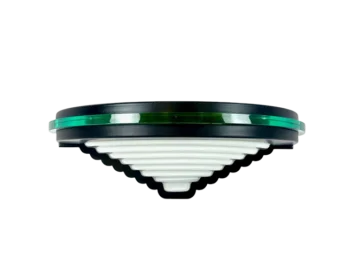
Cister wall light, IKEA, Sweden, 1980s
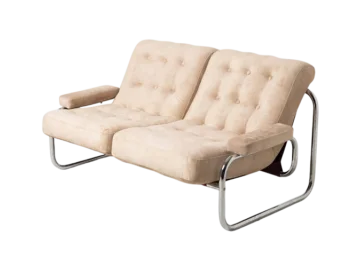
Borkum sofa, designed by Johan Bertil Häggström, IKEA, Sweden, 1970s
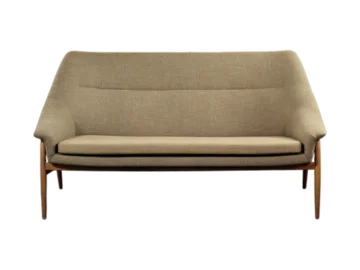
Grace Model 2-Seater Sofa, IKEA, Sweden, 1961
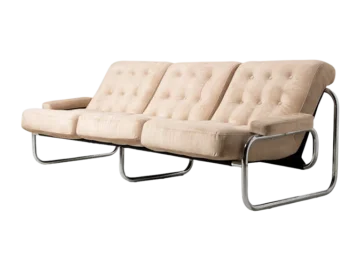
Three-seater sofa Borkum, designed by Johan Bertil Häggström, IKEA, Sweden, 1970s
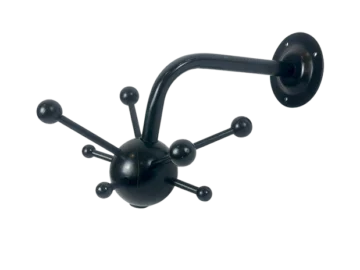
Sputnik-style coat rack, IKEA, Scandinavia, 1990s
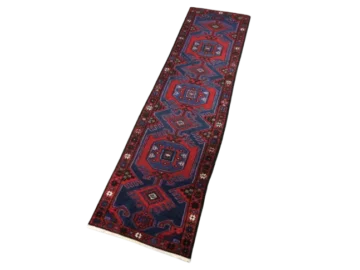
Long Oriental Hamadan Rug, IKEA, Persia/Iran, 1960s

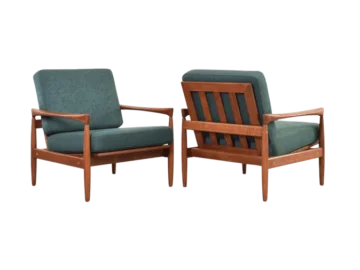
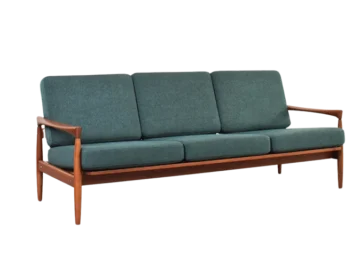
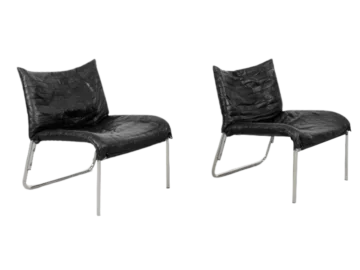
Pair of SET Leather Armchairs, IKEA, Sweden, 1980s
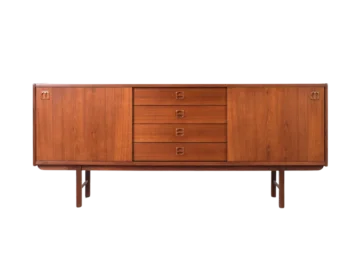
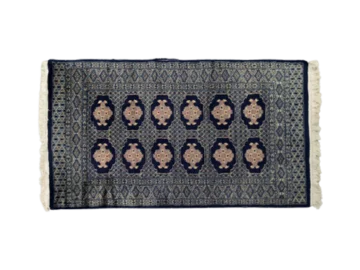
Bukhara oriental rug, IKEA, Pakistan, 1960s
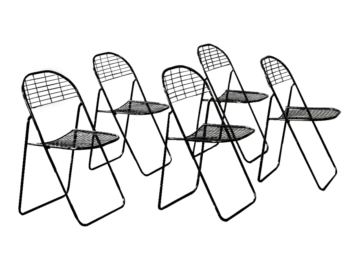
Set of 5 Åland metal chairs, designed by Niels Gammelgaard for IKEA, Sweden, 1980s
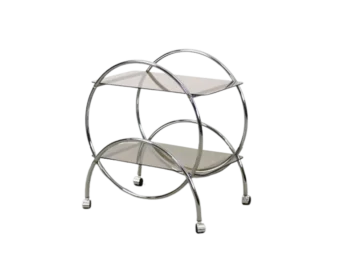
Chromed bar cart with glass tops, IKEA, Sweden, 1970s
About the manufacturer
- Years active
- est. 1943
- Country
- Sweden
- Location
- Älmhult
- Designers
- Niels Gammelgaard, John-Bertil Häggström
In 1943, 17-year-old Ingvar Kamprad registered a company in Sweden whose name came from his initials and the names of his family farm and parish. Furniture was added to the range in 1948. In 1956, Kamprad and designer Gillis Lundgren unscrewed the legs of the LÖVET table so it would fit in a car – this was how the idea of flat-pack furniture was born. The first IKEA shop opened in Älmhult in 1958.
At the end of the 1950s, Swedish manufacturers boycotted low-priced IKEA, and the company began looking for suppliers in Denmark and Poland. In January 1961, Kamprad spent a week in Poland with his father, Ragnar Sterte and designer Bengt Ruda, and visited a chair factory in Radomsko. One of the first orders was the ÖGLA chair, which was sold for subsequent decades. IKEA signed long-term contracts with Polish factories and provided them with technology; these included Bydgoskie Fabryki Mebli.
In the 1960s, IKEA catalogues featured furniture designed in Poland, including the MTP series by Marian Grabiński. In 1966, the IKEA shop in Stockholm organised a Polish week. The first shop outside Sweden opened in Norway in 1963, followed by one in Switzerland in 1973.
More Scandinavian design from this period can be found in the Mid-Century Modern and SCANDINAVIAN DESIGN collections.