Collection
Vintage Scandinavian design
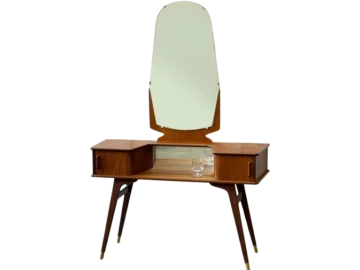
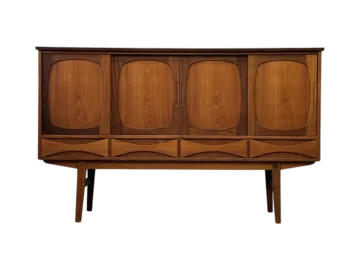
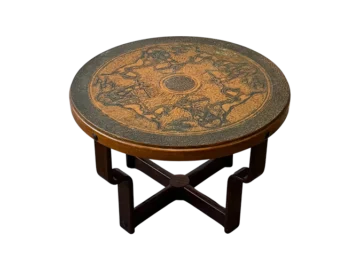
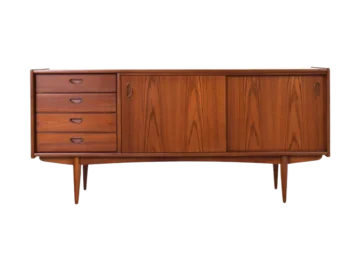
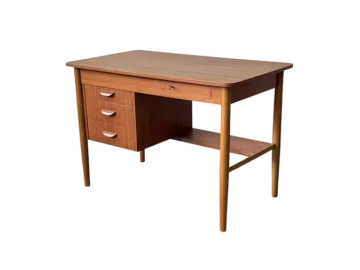
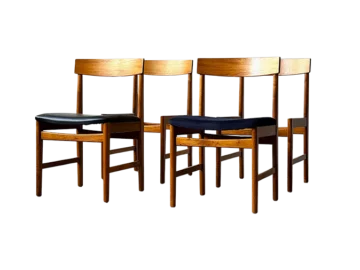
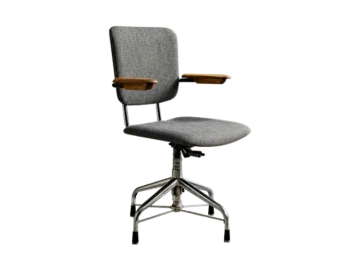
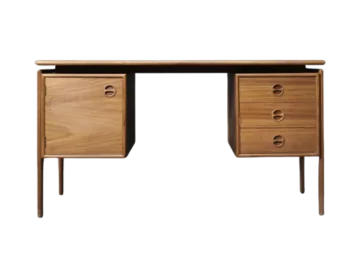
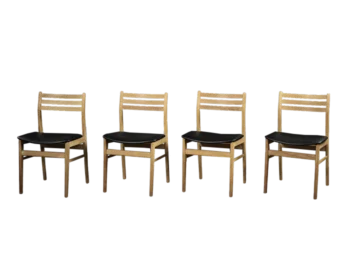
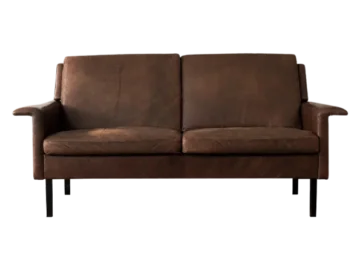
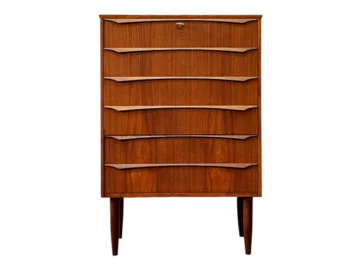
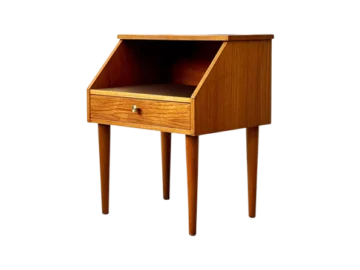
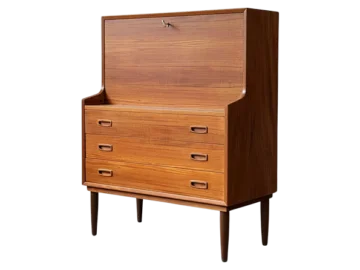
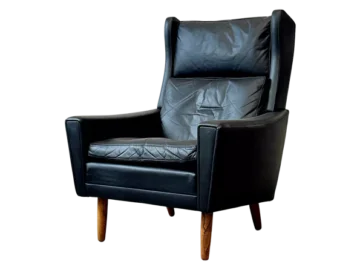
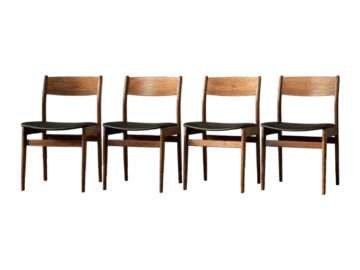
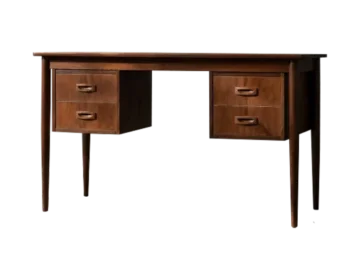
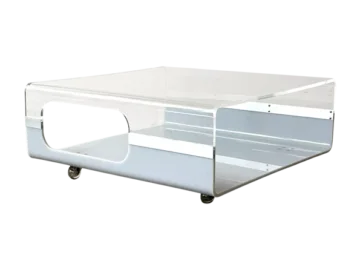
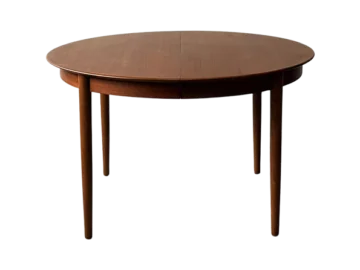
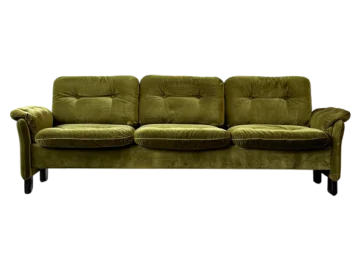
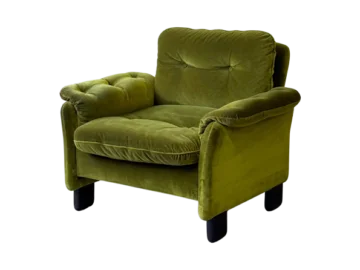
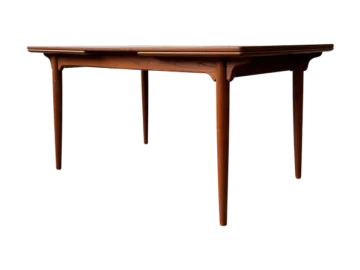
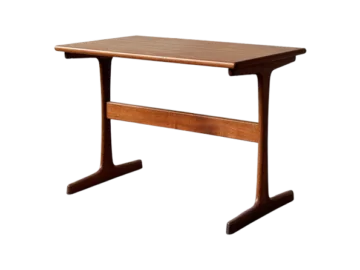
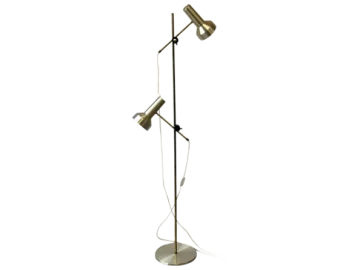
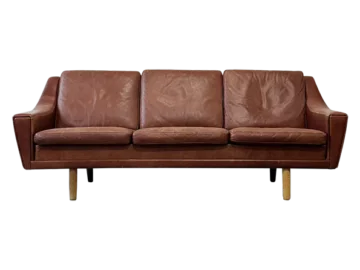
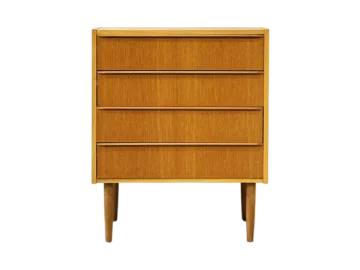
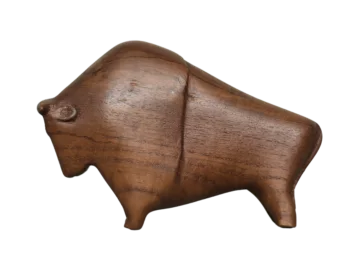
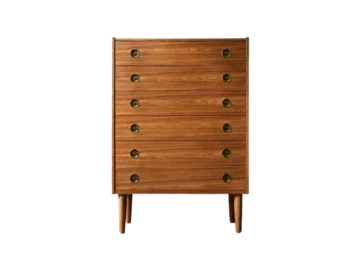
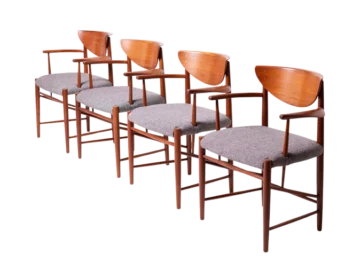
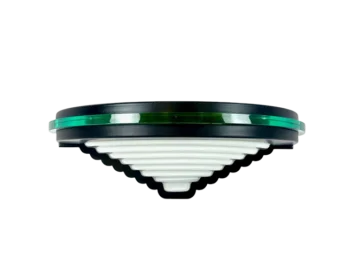
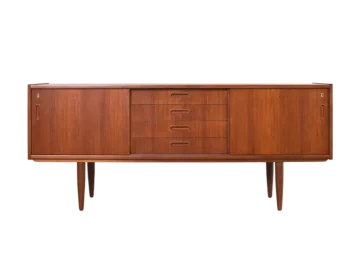
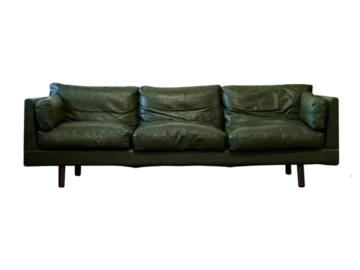
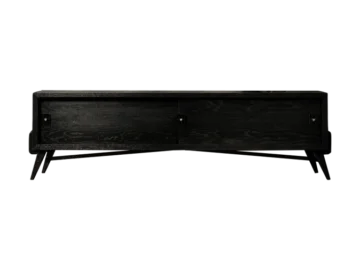
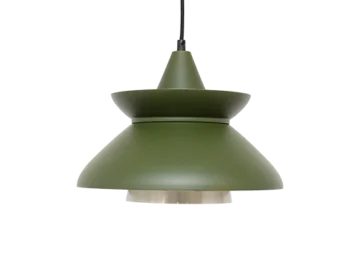
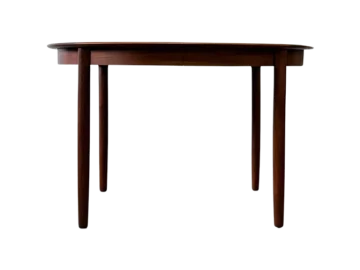
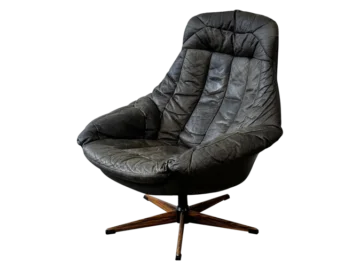
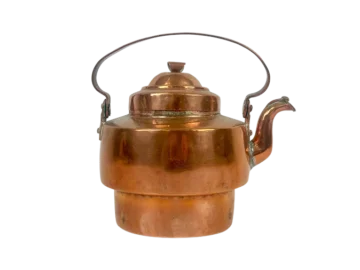
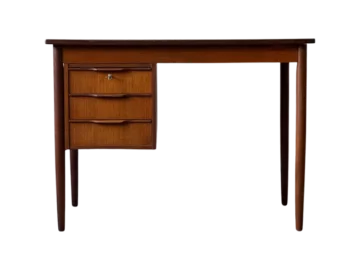
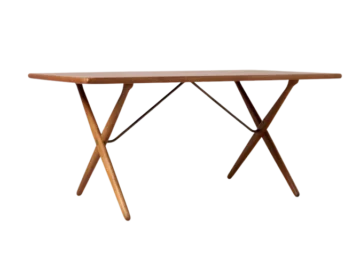
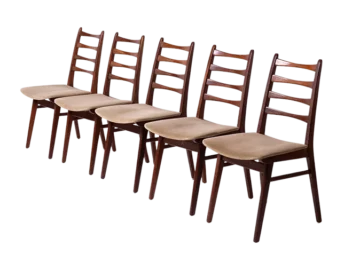
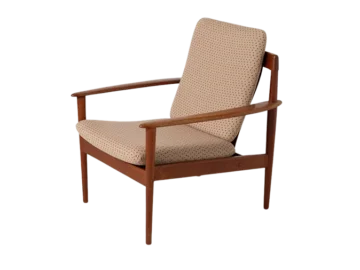
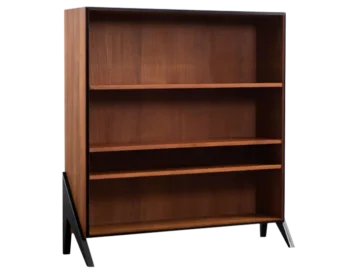
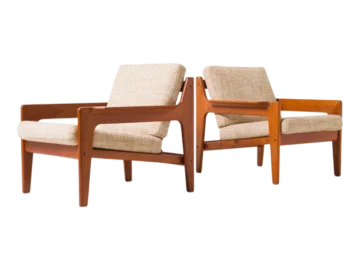
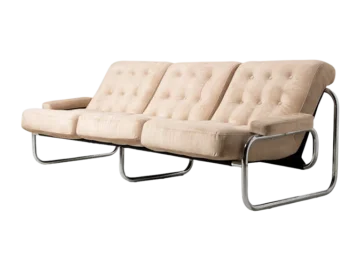
Scandinavian design is a blend of craftsmanship, function and restraint that won over the world in the 1950s and 1960s – furniture in teak and bent birch, lamps that diffuse light without glare, glass and ceramics for everyday use. The collection brings together originals from Denmark, Sweden, Finland and Norway. Browse all the furniture in our shop.
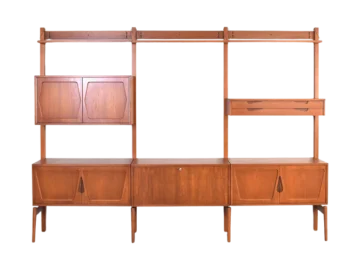
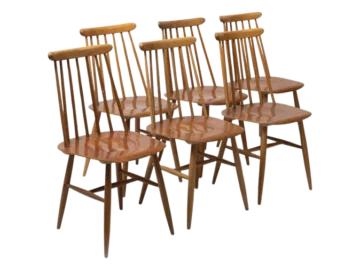
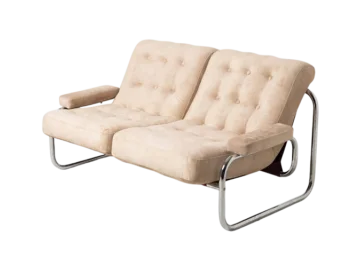
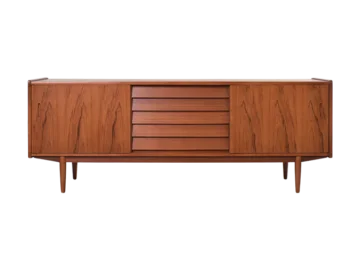
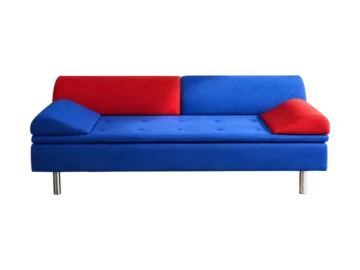
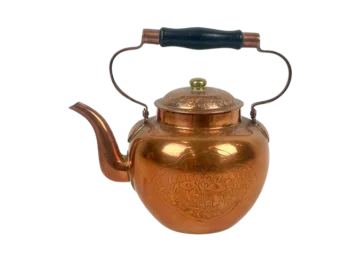
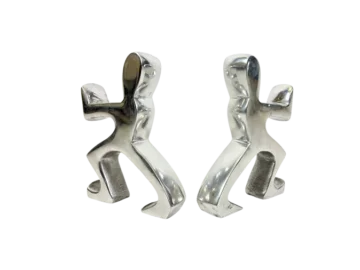
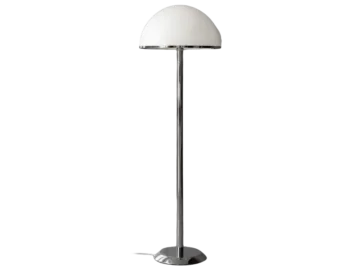
The birth of a brand
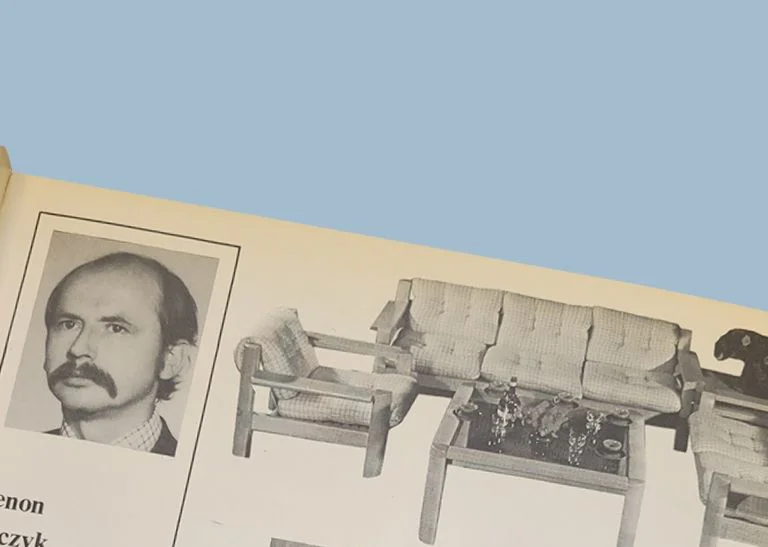
The term “Scandinavian design” was popularised by a single exhibition. “Design in Scandinavia” opened on 20 April 1954 at the Brooklyn Museum in New York; its more than 700 objects – furniture, ceramics, textiles, silver and steel – were selected jointly by designers and manufacturers from Denmark, Finland, Norway and Sweden. Over the next three years the exhibition visited 23 museums in the United States and Canada and was seen by more than 650,000 people.
Alongside it, institutions were building the region’s prestige. The Lunning Prize, founded by Frederik Lunning, head of Georg Jensen’s New York branch, honoured two Nordic designers every year from 1951 to 1970 – the first winners were Hans J. Wegner and Tapio Wirkkala. At the 1951 Milan Triennale, Denmark and Finland confirmed their place as world leaders in design, and Wirkkala won three Grand Prix. Historians point out that a “single Scandinavian style” was partly a construct – the countries of the region competed with one another – but it was precisely this shared brand that opened markets to them.
Craft, function, restraint
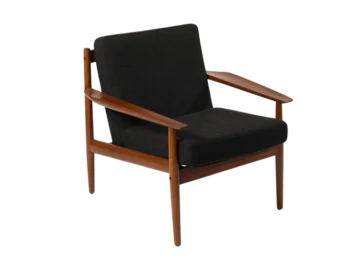
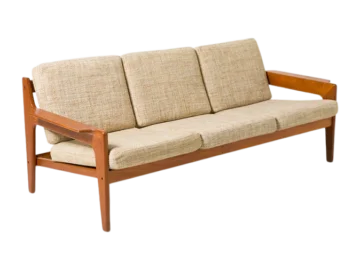
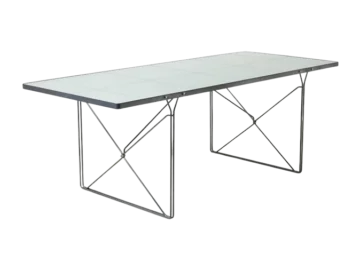
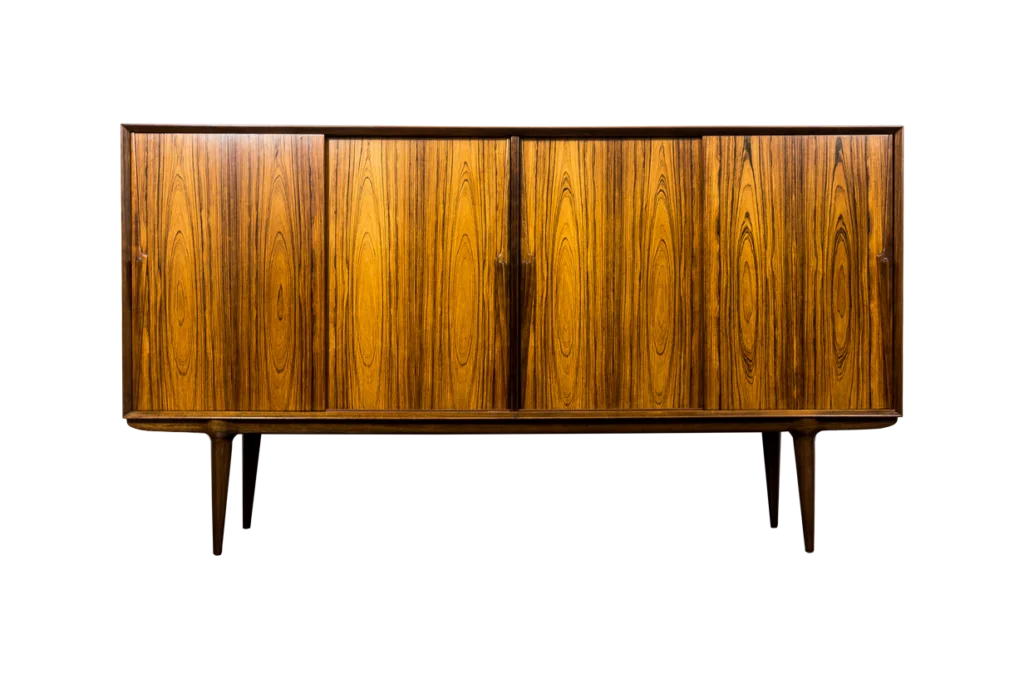
Scandinavian design grew out of the belief that good objects belong to everyone – hence the idea of “democratic design”. It combined the joiner’s tradition with modern production: solid wood and veneers in teak, rosewood, oak and birch, seats woven from paper cord and, in the work of Poul Kjærholm, steel paired with leather, cane or marble. The forms are simple and pleasant to the touch, the proportions suited to small, light-filled flats.
The heyday was 1950–1970. By the end of the 1960s, rising labour costs had made handwork expensive, and cheaper furniture in plastics and laminate began to push wood aside. That is exactly why originals from those two decades are so prized today: they were made at a time when the quality of joinery and the scale of production went hand in hand.
Denmark and Finland
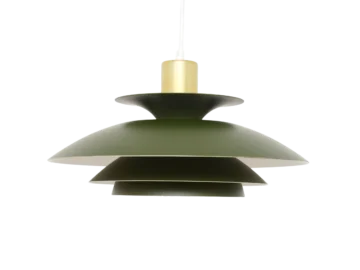
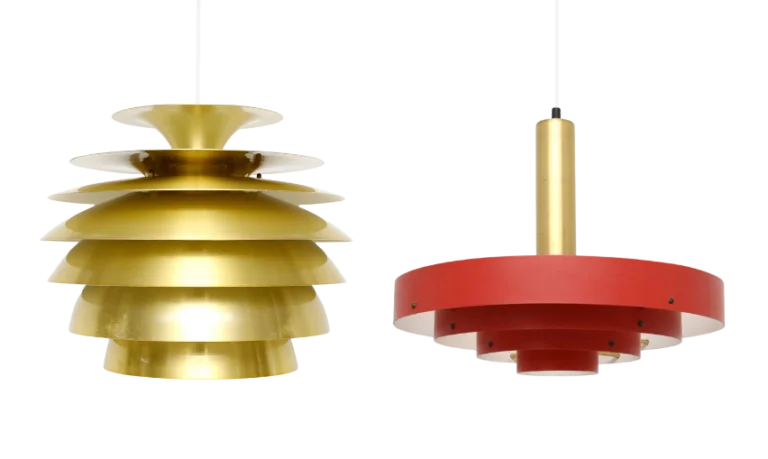
Denmark was the heart of Scandinavian furniture-making – Danish furniture exports rose from 9.8 million kroner in 1953 to almost 258 million in 1964. Hans J. Wegner designed more than 500 chairs, including the Wishbone (1949) for Carl Hansen & Søn; Arne Jacobsen created the Ant chair (1952) and the Egg and Swan chairs (1958) for the SAS Royal Hotel in Copenhagen, which he designed down to the cutlery; Finn Juhl designed the Pelican and Chieftain chairs. For Louis Poulsen, Poul Henningsen designed lamps that diffuse light without glare, from his three-shade system of 1926 to the PH 5 and the Artichoke of 1958.
Finland brought bent birch and glass to the style. In 1932 Alvar Aalto designed the Paimio armchair and soon afterwards Stool 60, and in 1935 he founded Artek with his wife Aino and partners. Tapio Wirkkala designed glass with forms drawn from nature for Iittala; Kaj Franck, as artistic director of Arabia, created simple tableware designed to be mixed and matched; and Marimekko, founded in 1951, transformed textiles – in 1964 Maija Isola designed the Unikko pattern for the company.
Sweden and Norway
In Sweden, design has long been treated as a social matter – the Svensk Form association has existed since 1845, and the 1930 Stockholm Exhibition brought modernism to the North. The term “Swedish Modern” took hold after the World’s Fair in New York, where Josef Frank’s interiors were much admired. In the 1930s Bruno Mathsson designed the Pernilla and Eva chairs in bent wood, and in 1966, with Piet Hein, a table in the shape of a superellipse.
Norway joined the international scene in the 1950s: in 1954 it took part in the Triennale for the first time and won 24 awards. Norwegian designers, among them Torbjørn Afdal and Sven Ivar Dysthe, favoured durability and natural forms. The country of origin, maker and condition of every piece are given on its product page.