

out
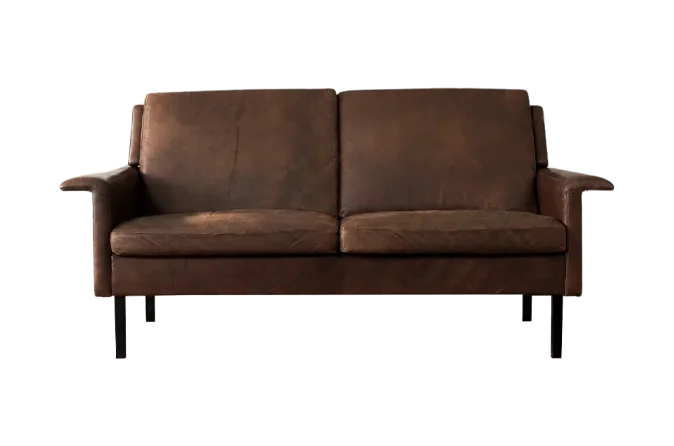
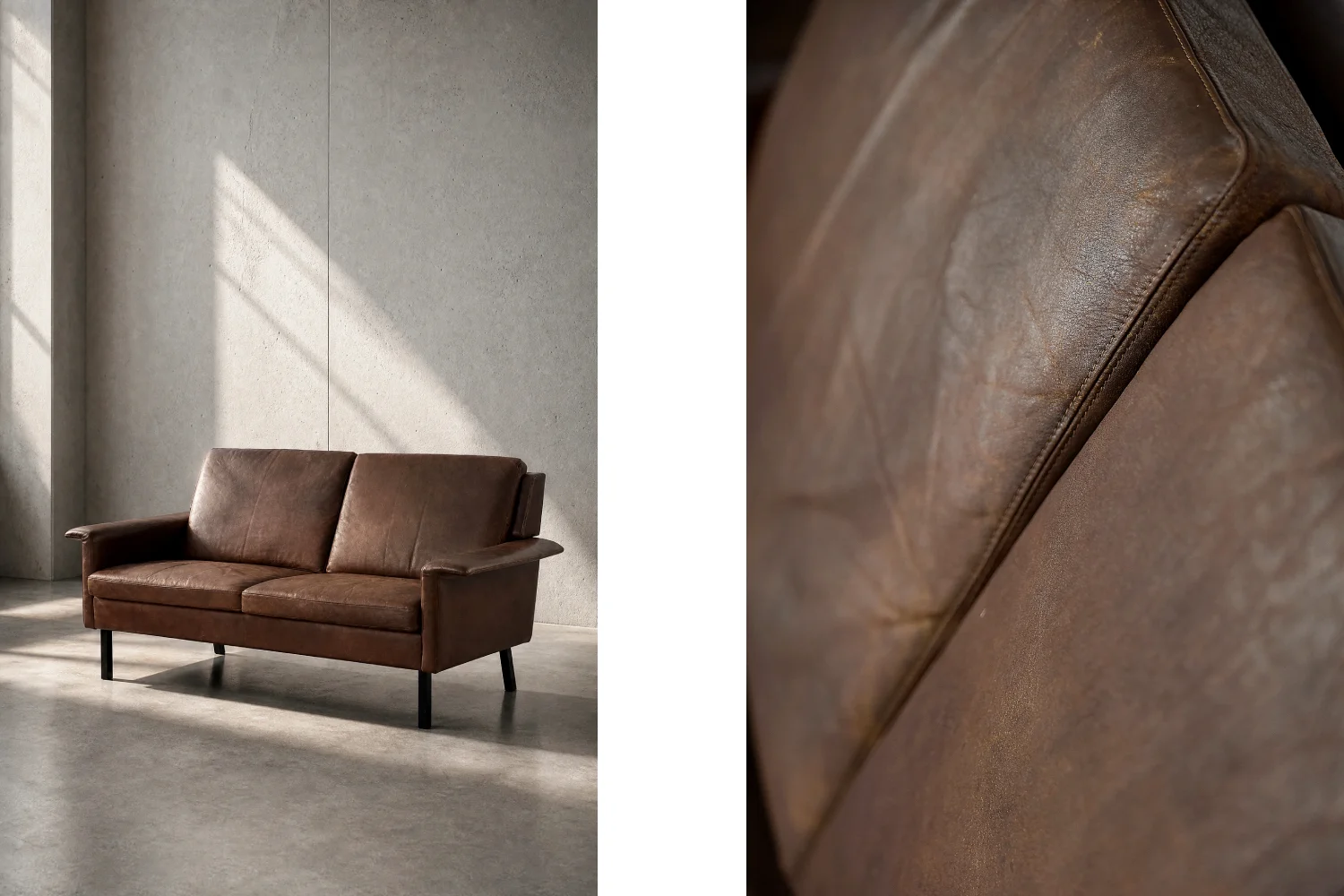
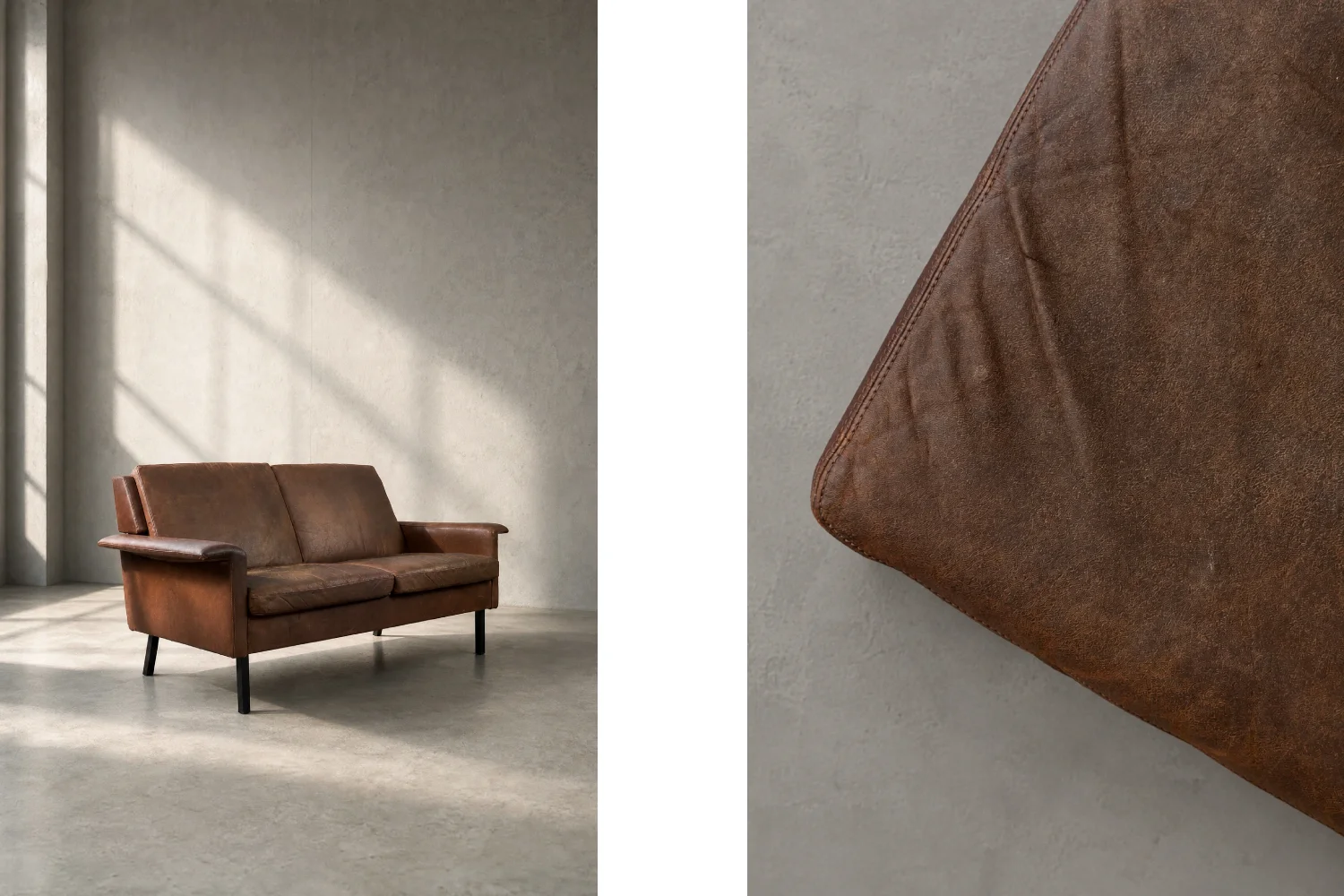
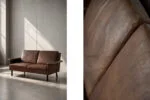
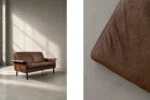
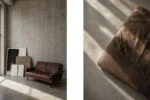
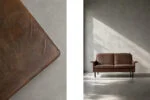
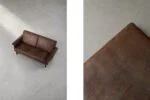
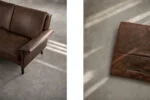
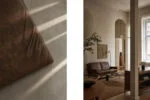
Two-seater leather sofa model 3330, designed by Arne Vodder for Fritz Hansen, Denmark, 1960s
See similar pieces in Vintage Danish furniture
New pieces arrive every day — subscribe so you don’t miss a thing.
Description
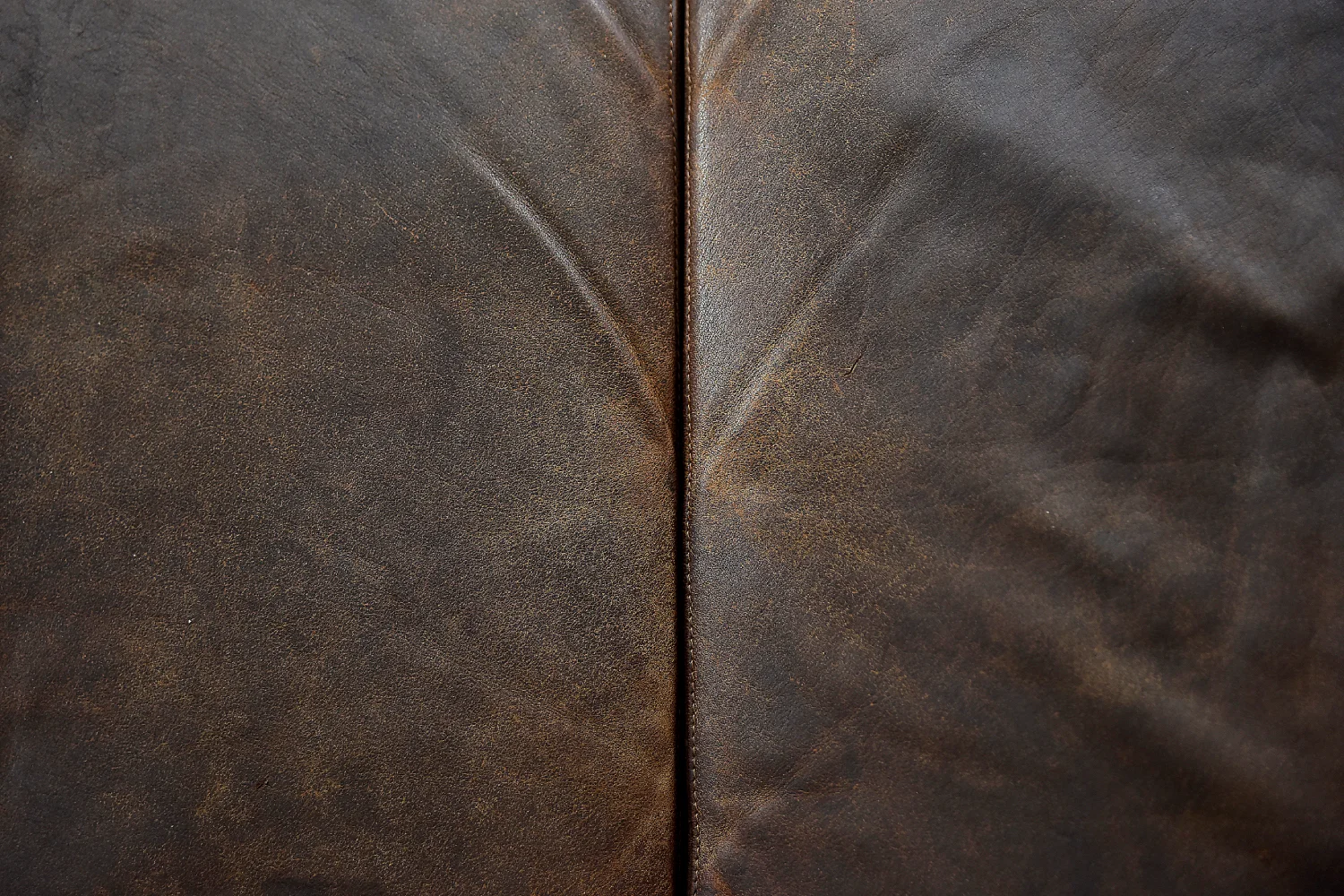
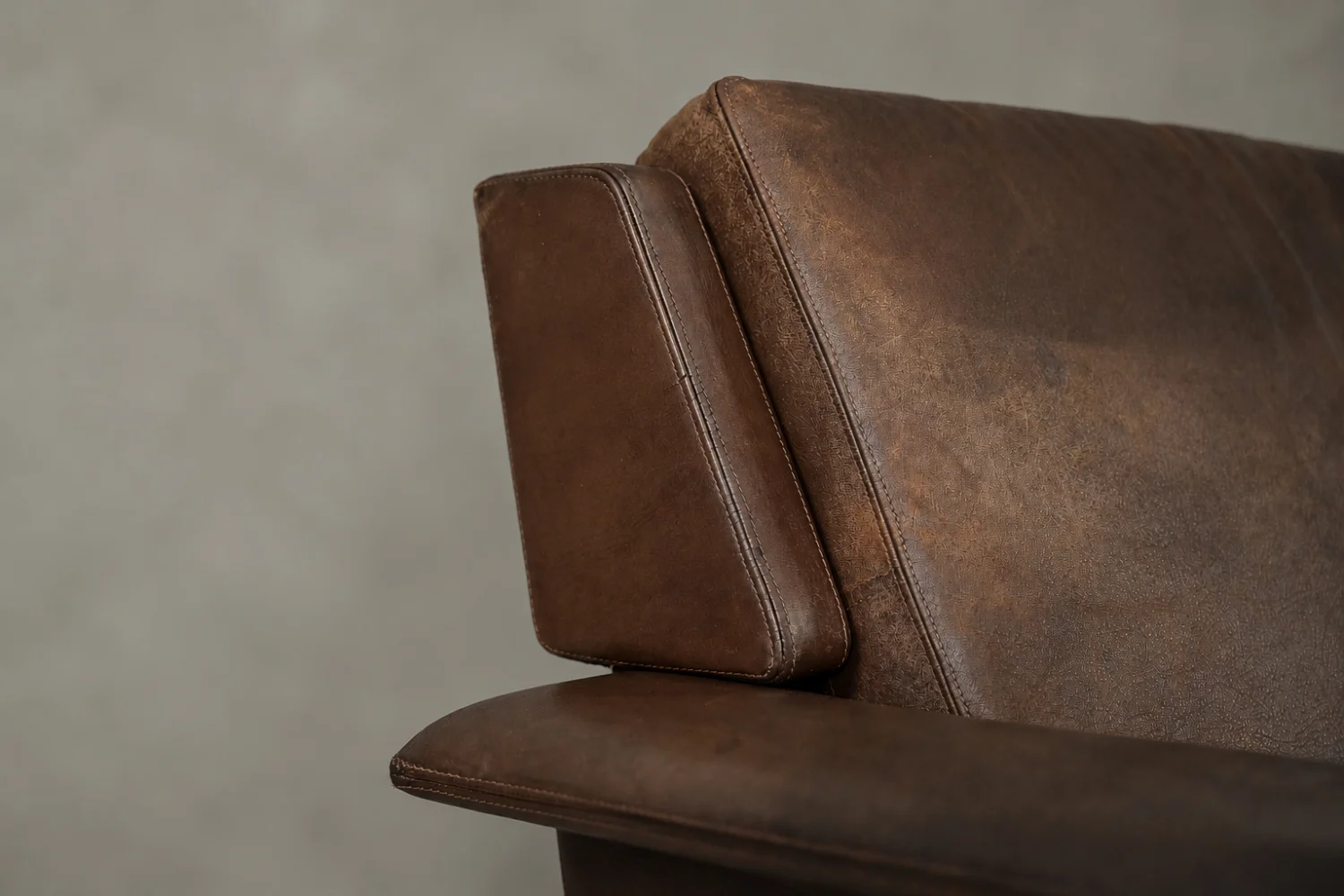
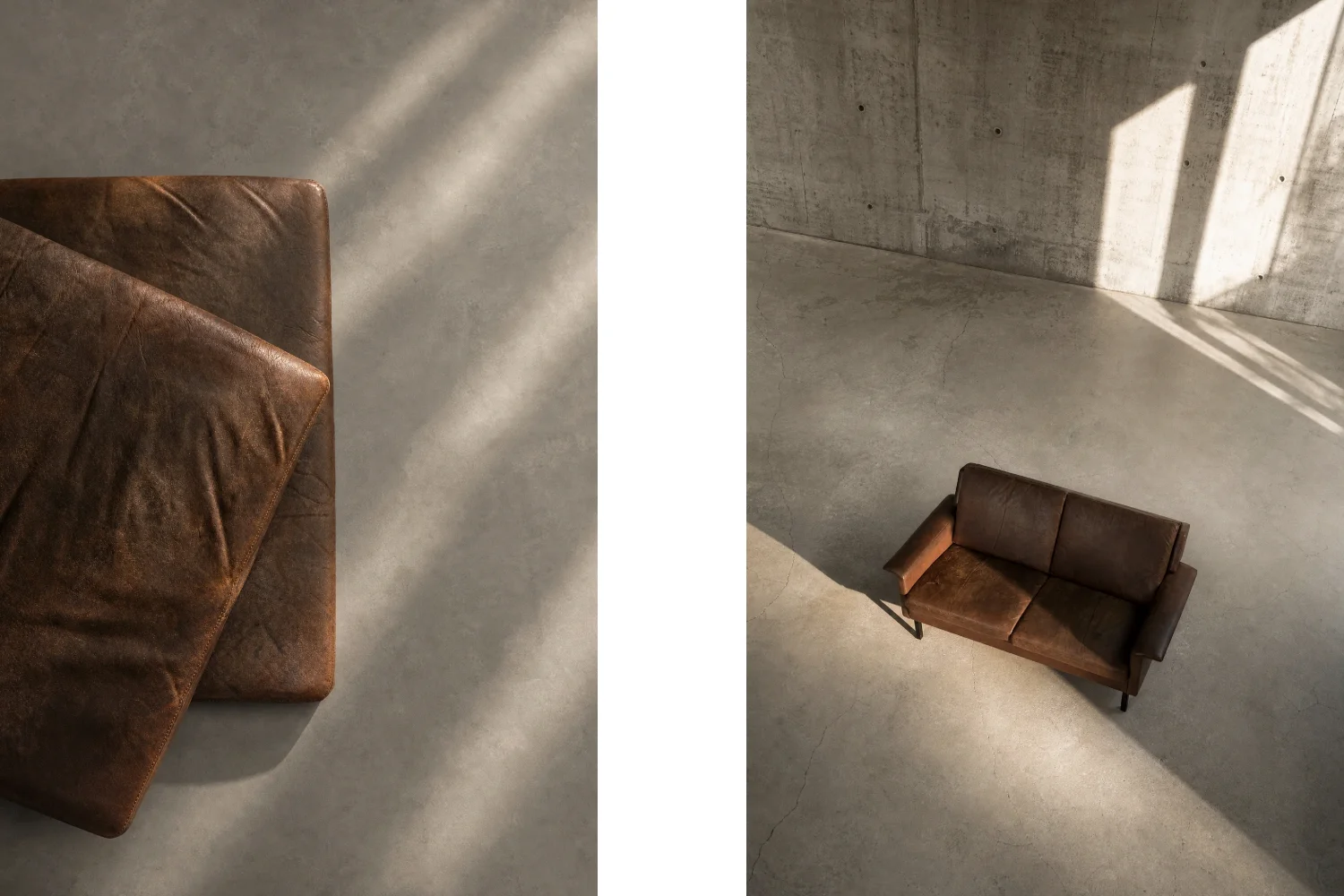
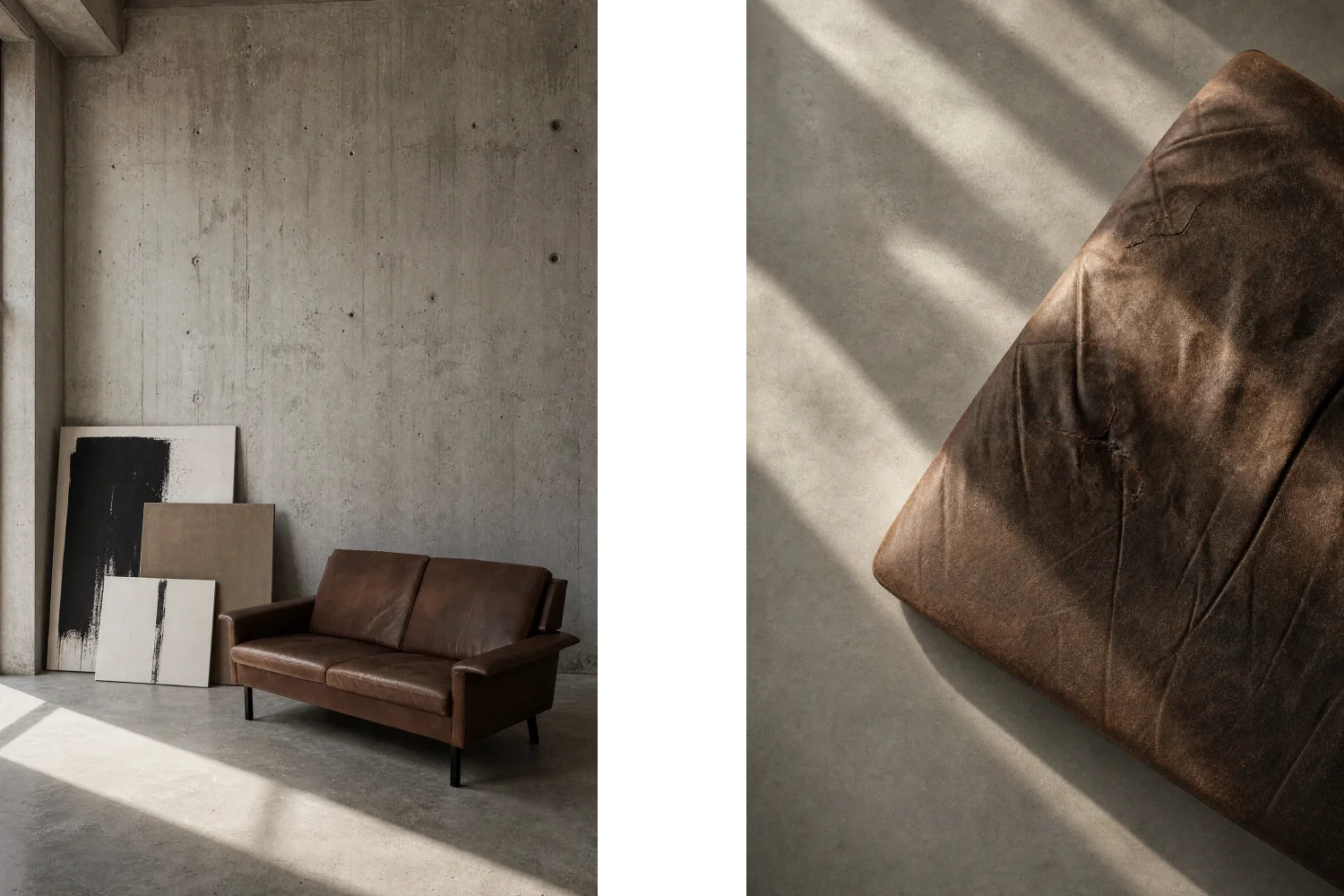
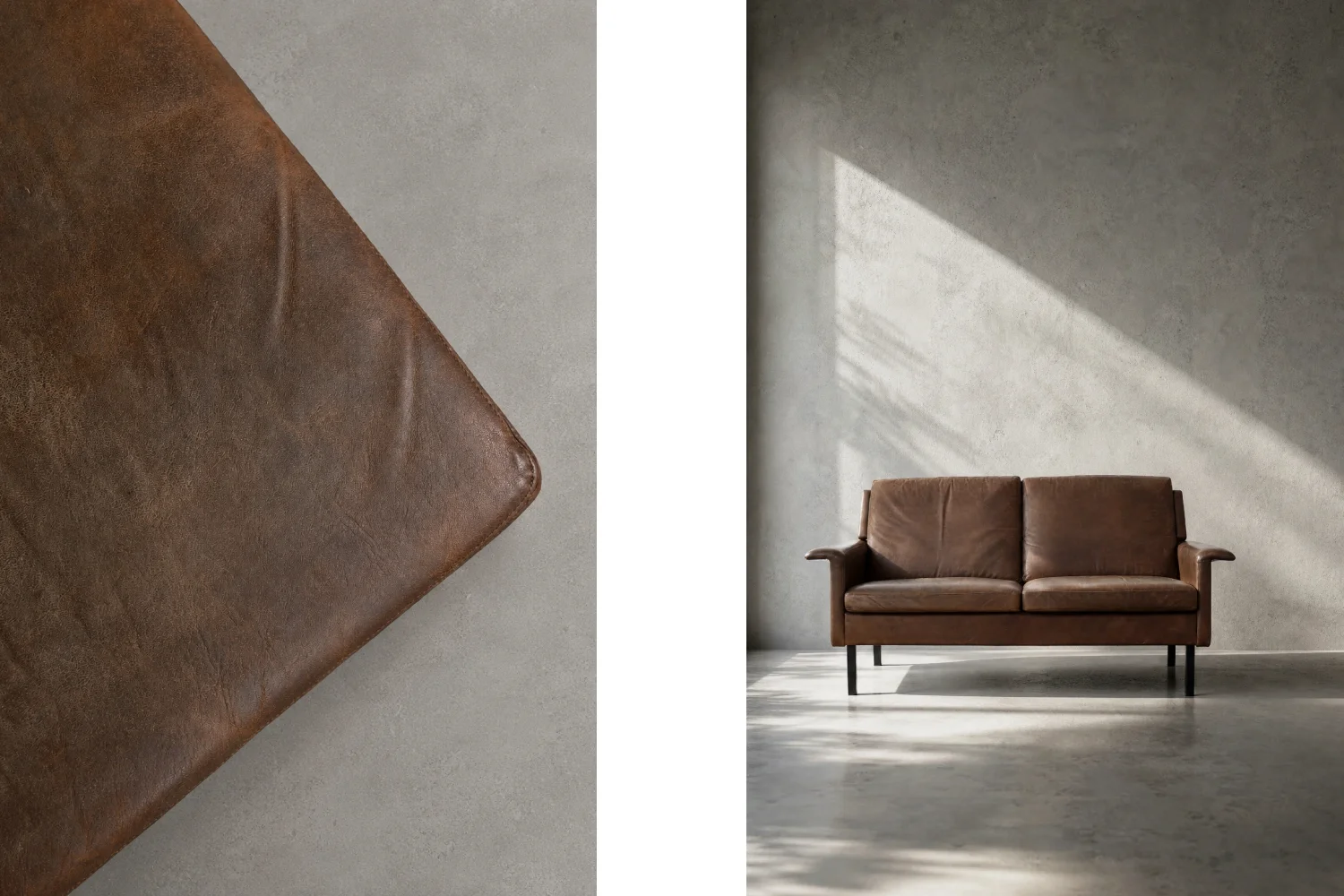
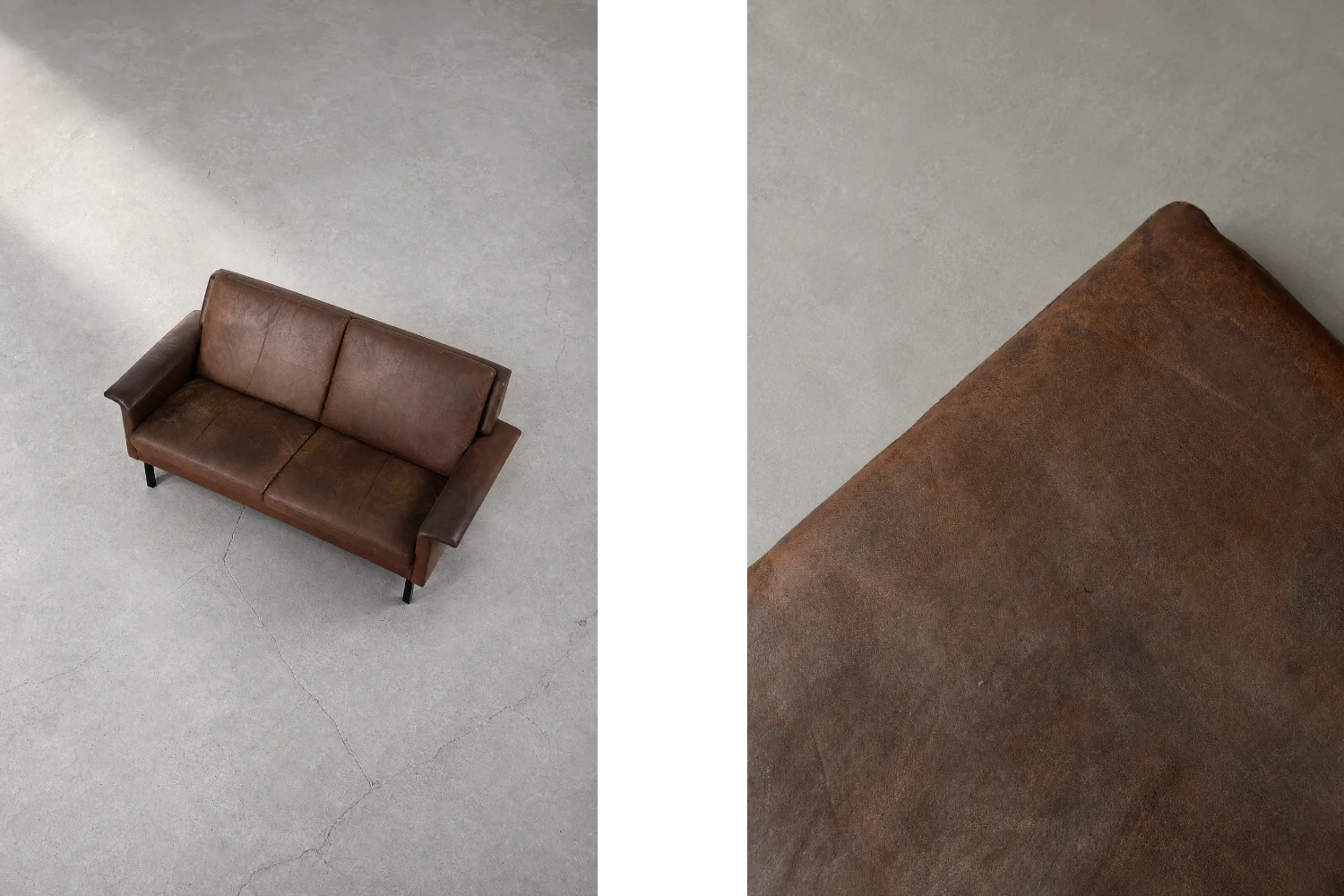
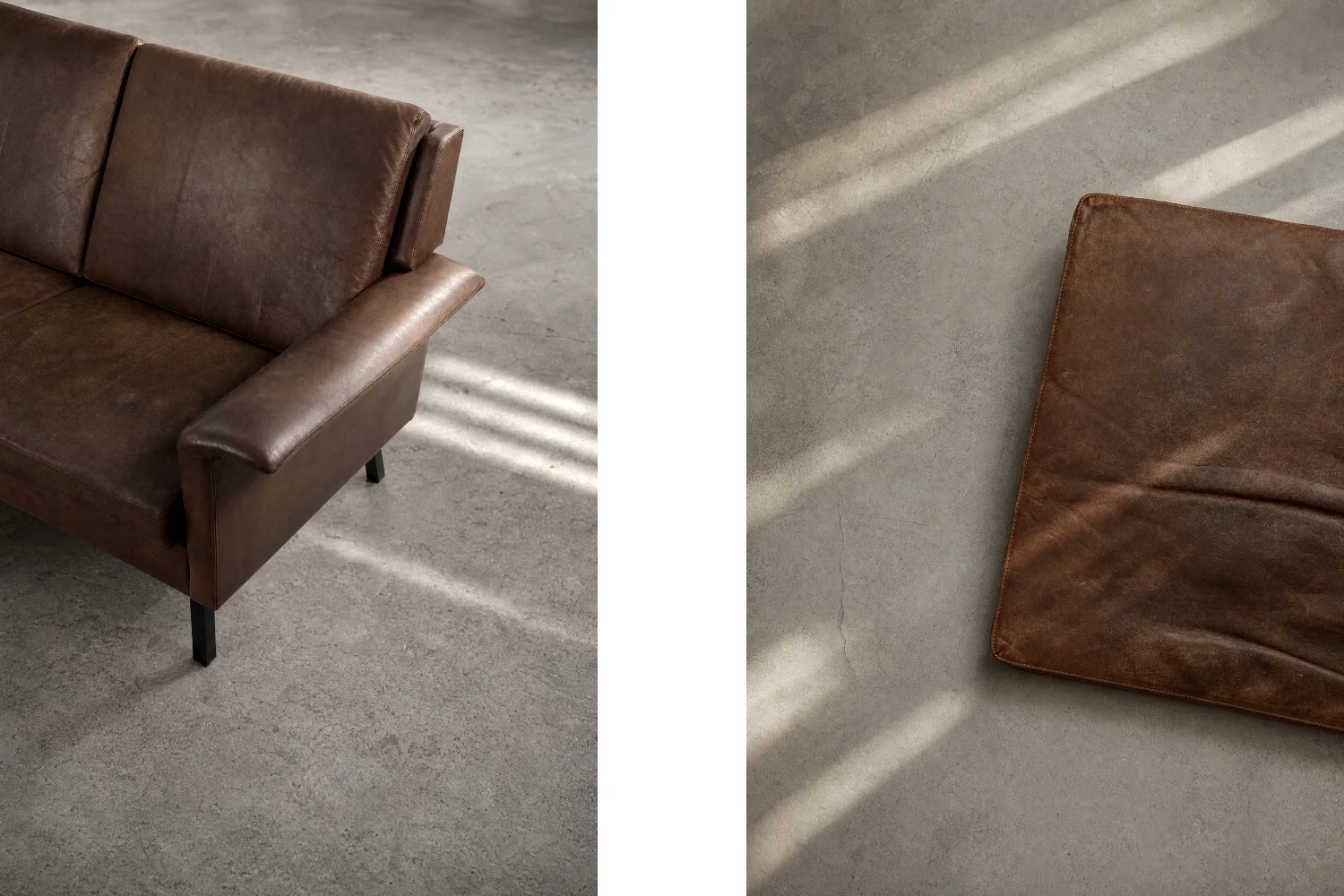
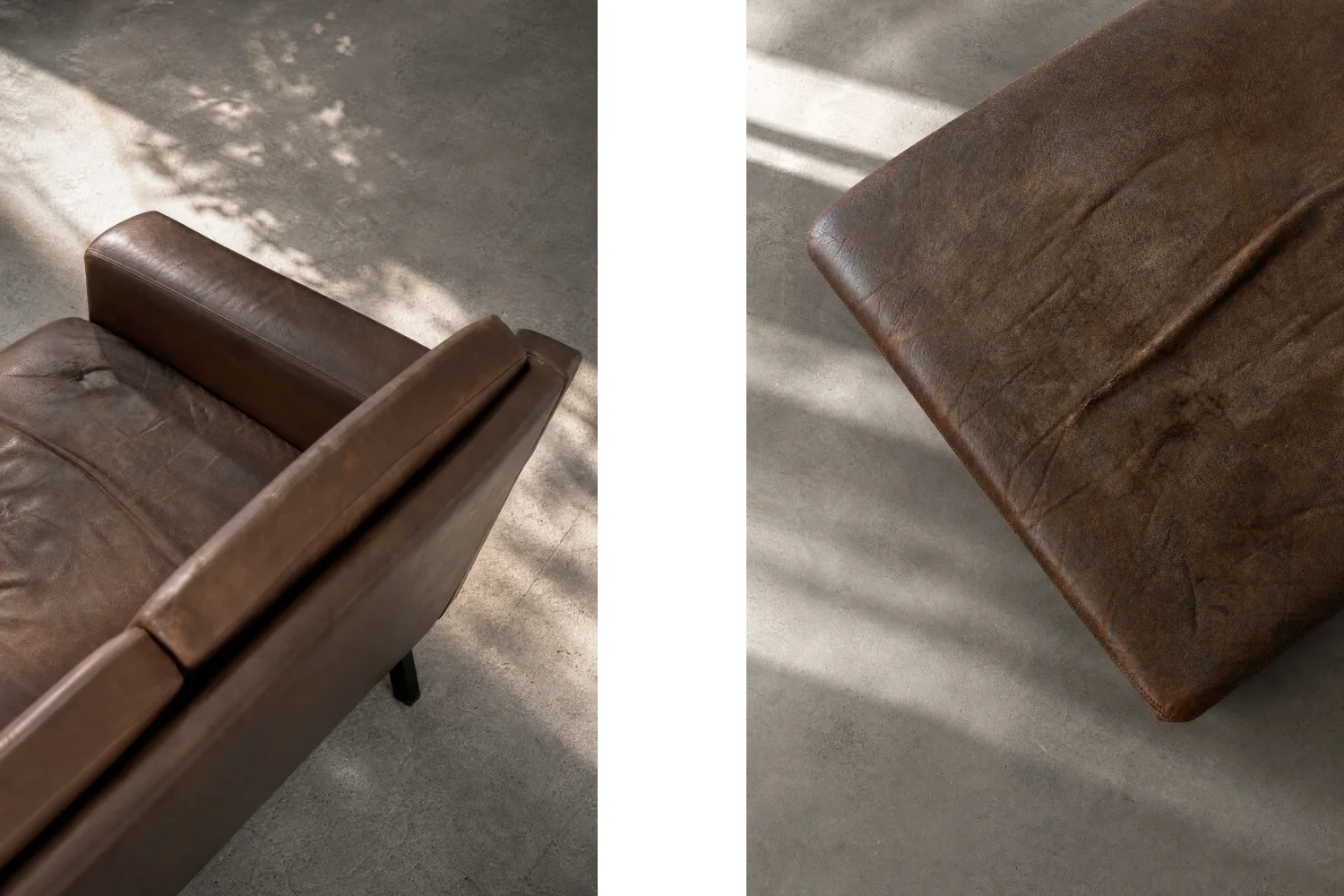
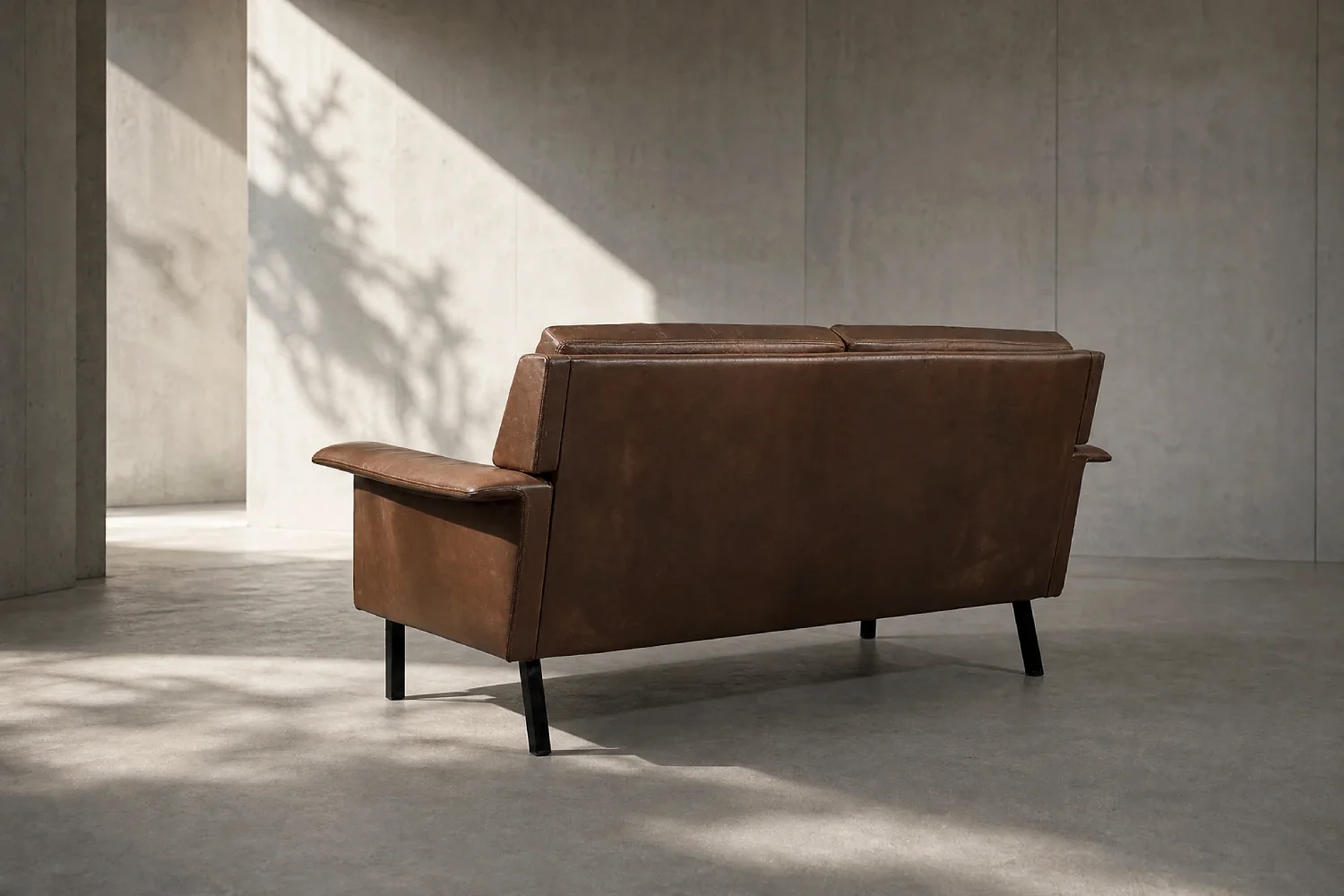
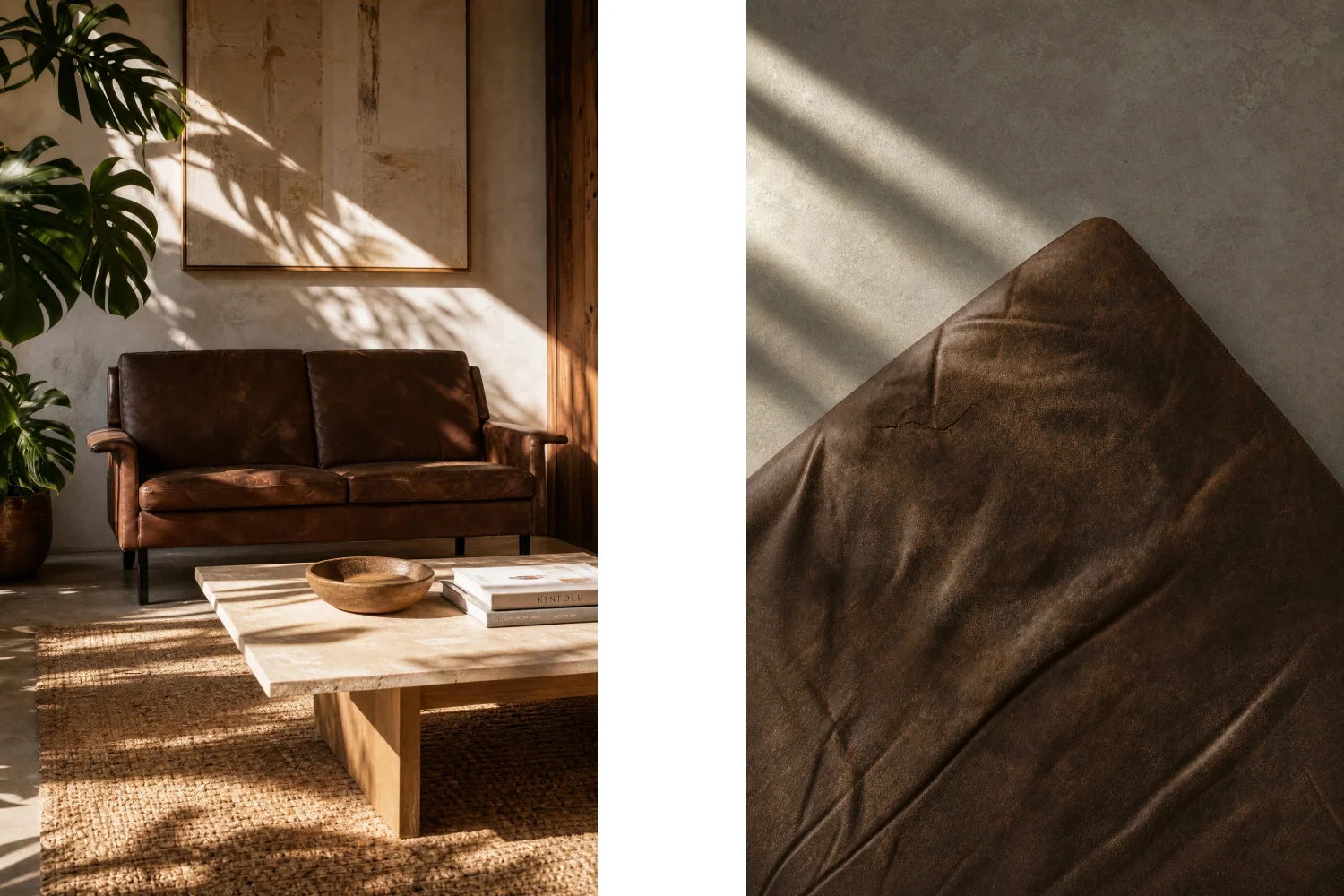
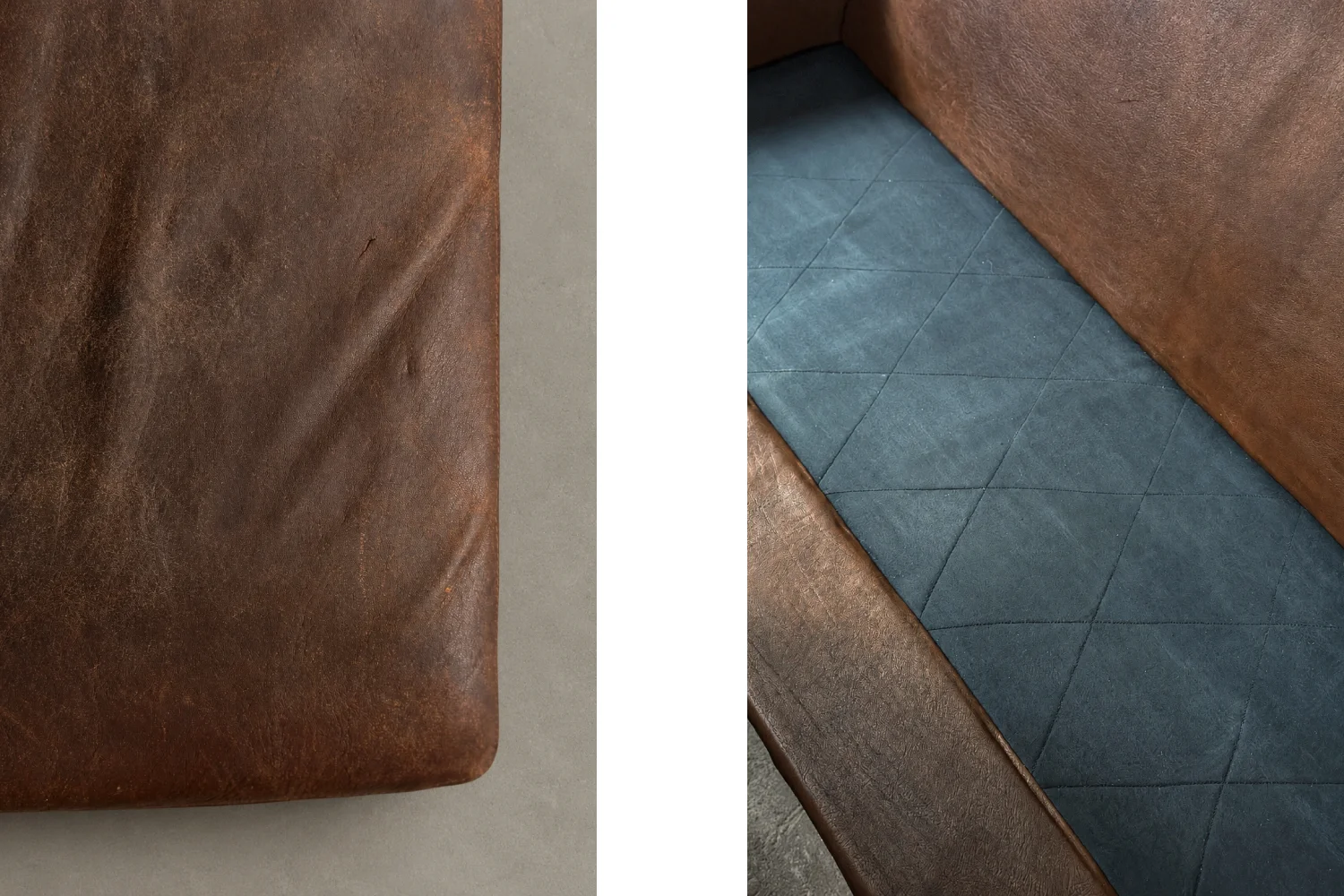
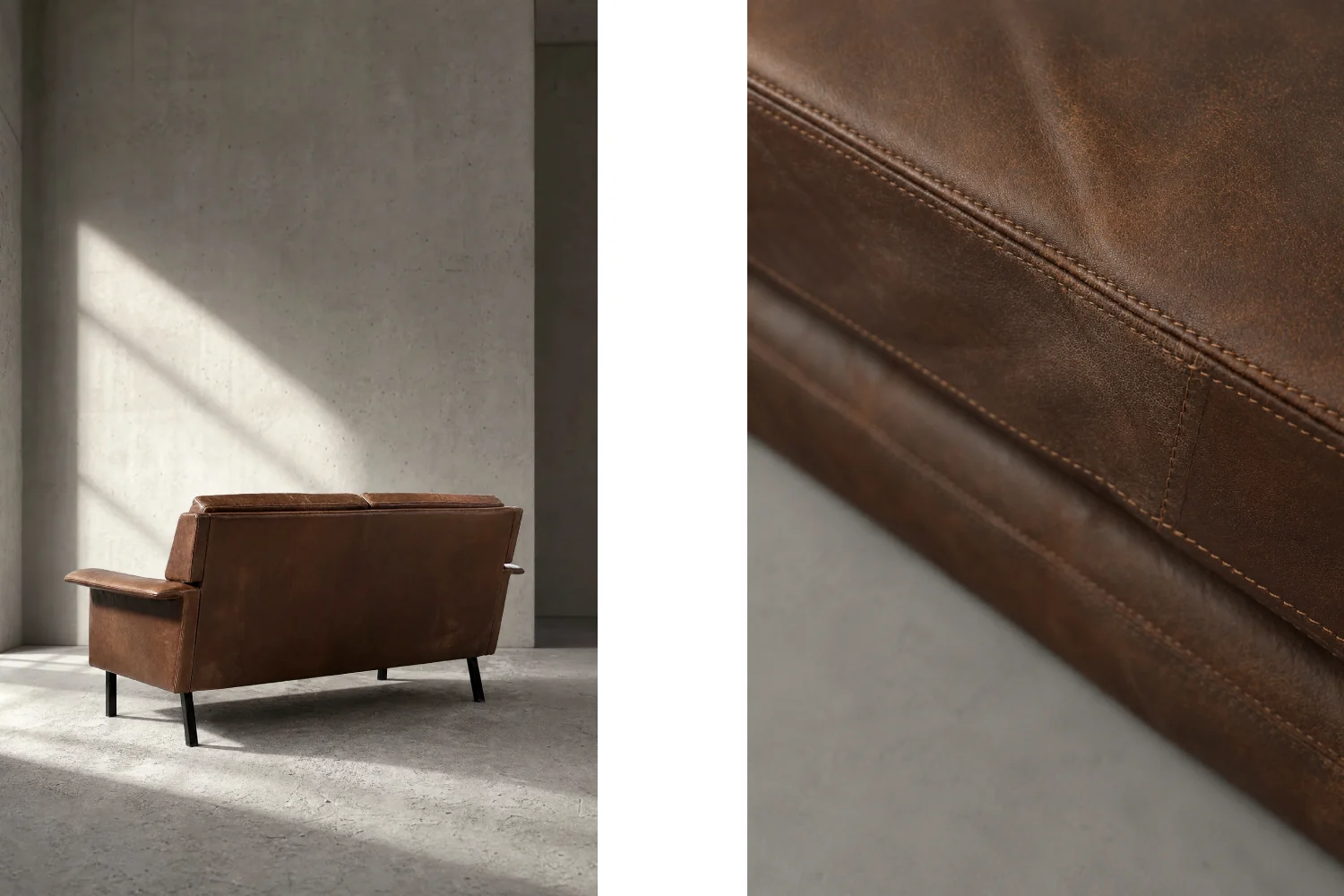
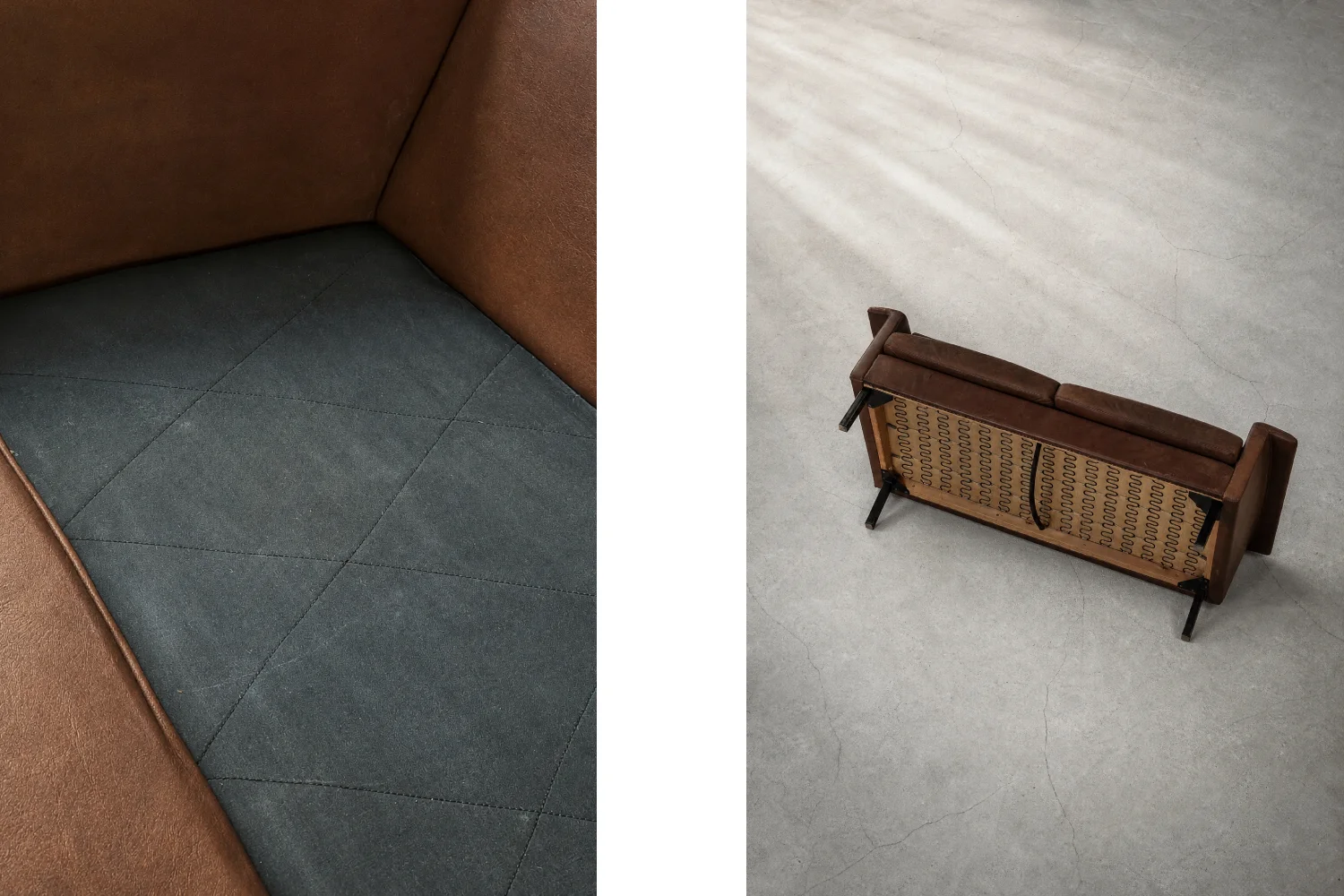
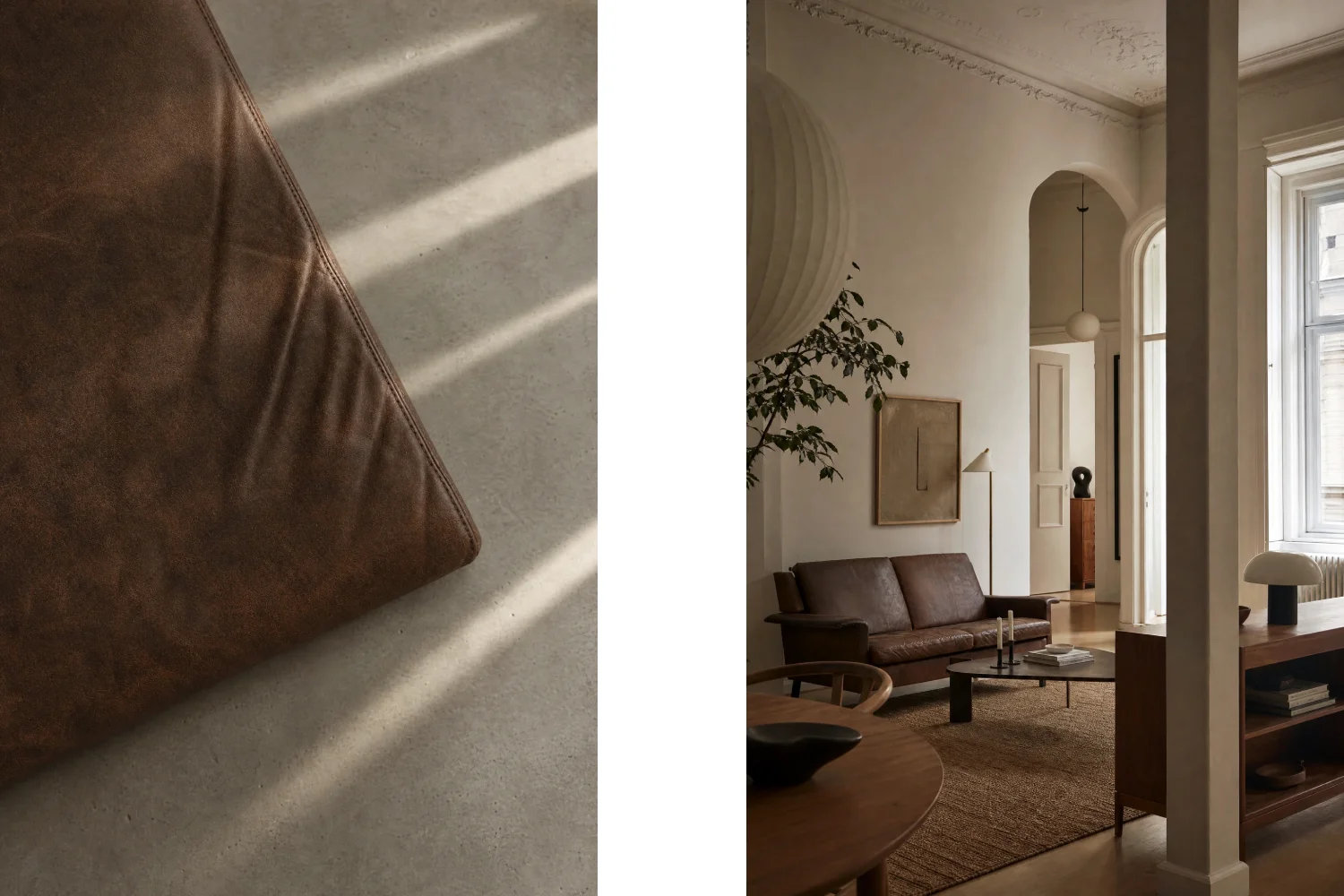
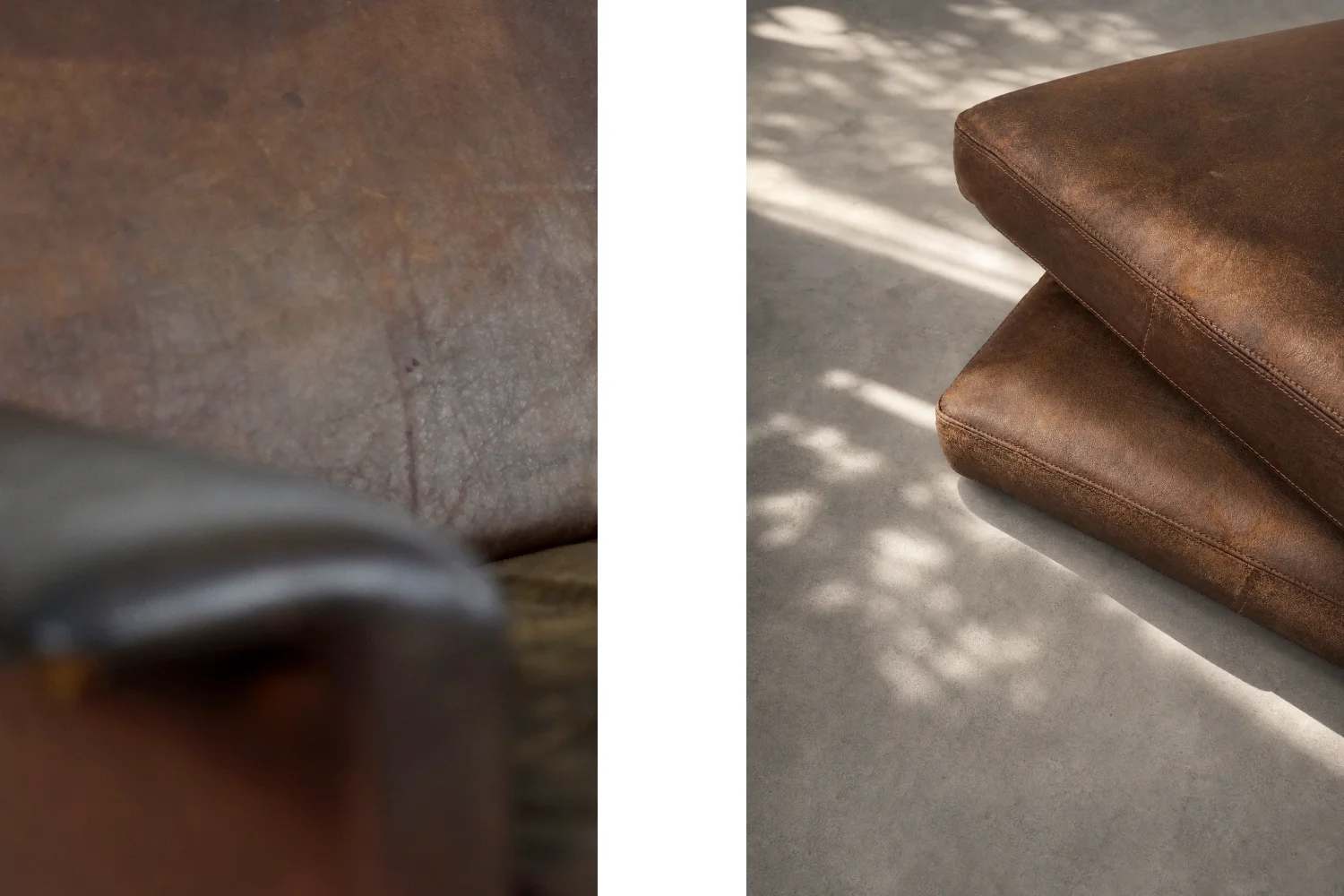
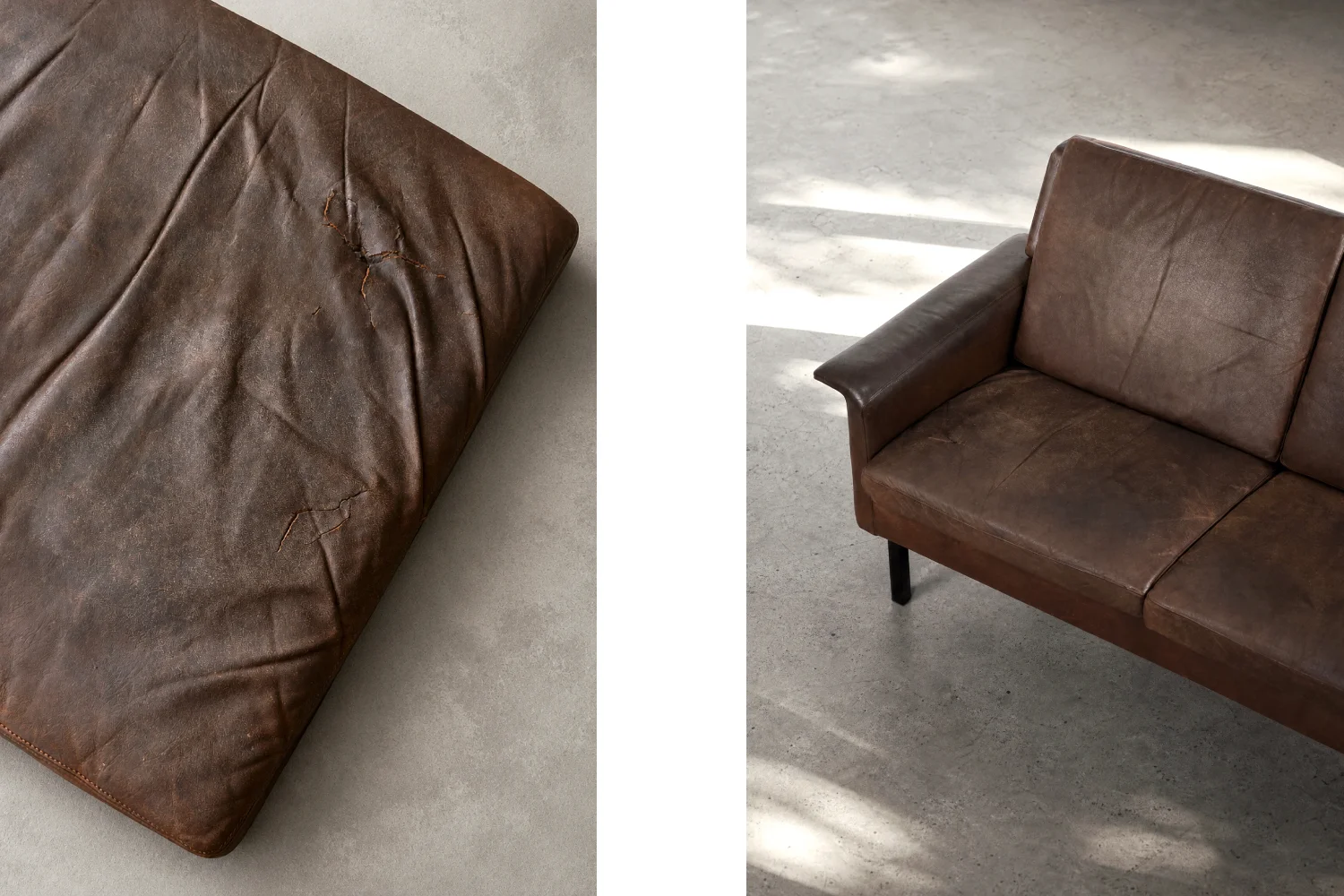
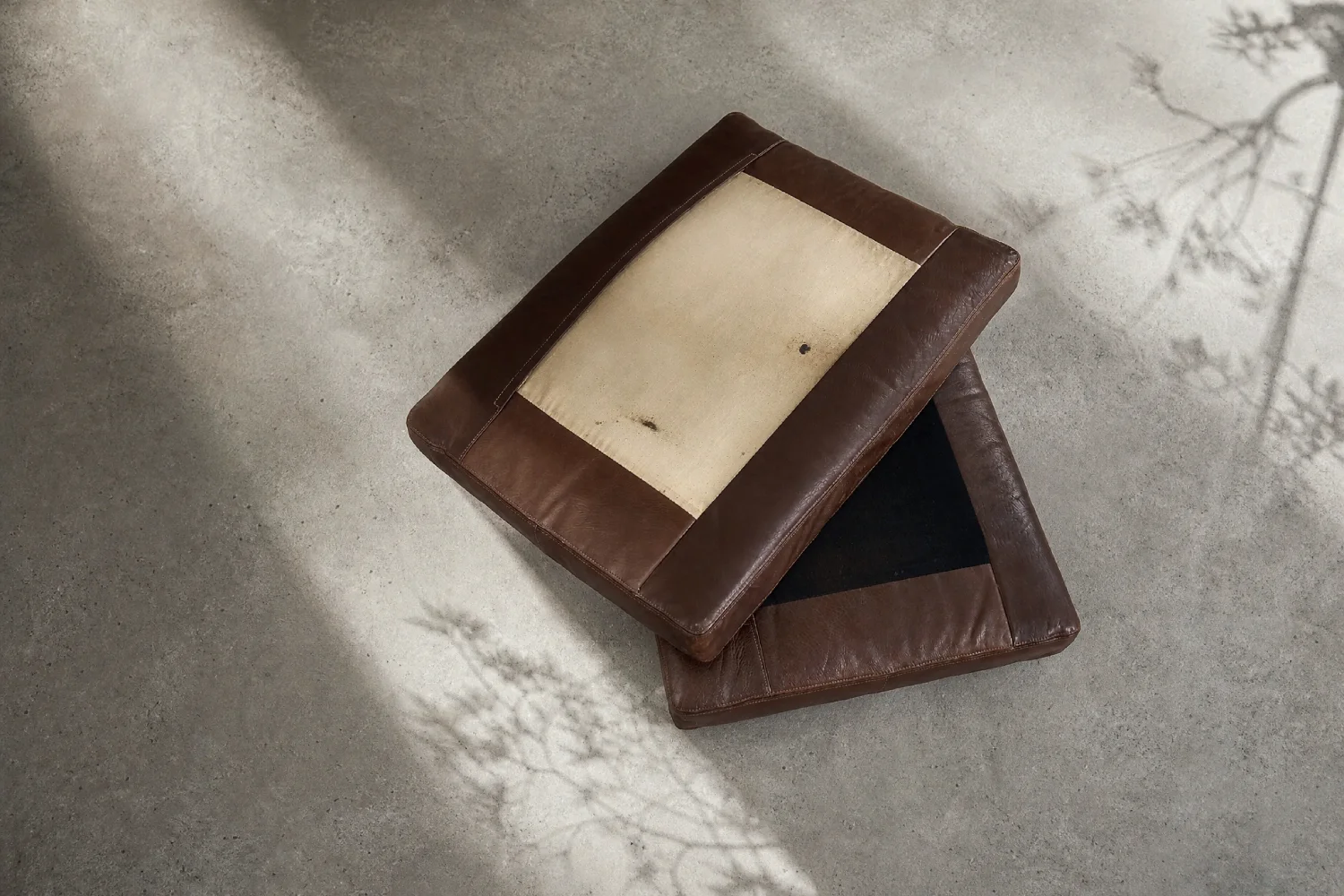
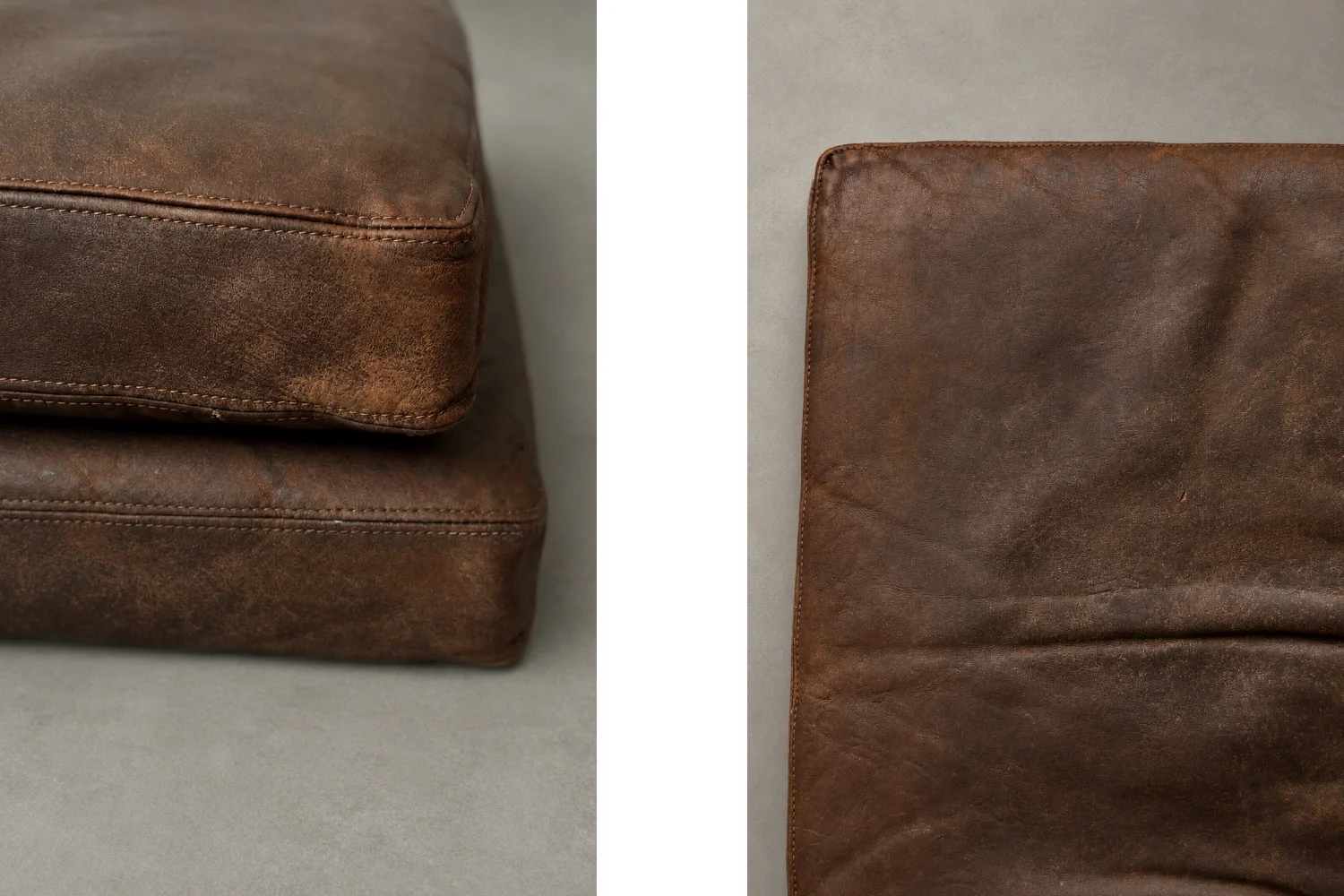
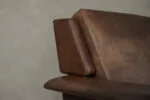
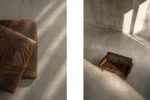
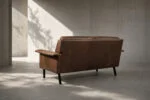
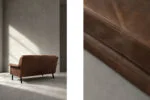
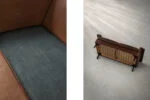
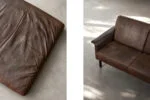
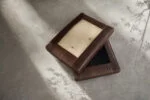
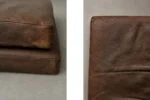
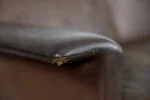
A two-seater sofa, model 3330, designed by Arne Vodder for the Danish manufacturer Fritz Hansen in the 1960s. Due to its limited production, this is a museum piece, rarely available for sale, particularly in the two-seater version. The sofa is fully upholstered in its original genuine leather in an amber-brown colour. The generously sized and comfortable cushions are loosely placed. The wide armrests are reminiscent in shape of wings. The legs are made of black-lacquered steel. Ideal proportions and Scandinavian craftsmanship, with a clearly defined furniture silhouette, lend this design a timeless quality. The traditions and philosophical principles of Danish craftsmanship have been translated into a modern furniture idiom.
The sofa perfectly reflects Vodder’s design philosophy—simplicity of form is paired here with exceptional comfort and refined details. This is a design free of unnecessary ornamentation, whose timeless aesthetic remains relevant today.
The seat height is 39 cm.
Arne Vodder was born in Denmark in 1926. Trained as a cabinetmaker and architect, he studied under Finn Juhl at the Royal Danish Academy of Fine Arts in Copenhagen. After completing his studies, he worked as a designer at Hindsgaul, focusing primarily on office interiors. In 1950, Vodder founded his own architectural and design studio with architect Anton Borg. Over the years, the studio moved to several locations in Copenhagen before finally settling in the suburbs of Holte, north of the city. Vodder and Borg worked together until the 1970s.
Vodder is best known for his furniture designs, which were typically simple pieces made from natural materials such as rosewood and teak. His designs were often inspired by natural forms. Vodder collaborated with highly regarded brands, designing furniture for manufacturers such as Fritz Hansen, France & Søn, Nielaus, Sibast, and Kircodan. In the 1950s and 1970s, Vodder’s furniture designs were used by President Jimmy Carter in the White House and by President Anwar Sadat in Cairo, as well as being incorporated into the United Nations Office in Geneva and adorning many hotels, banks, and embassies around the world. His work was widely exhibited both individually and in group exhibitions featuring artists such as Verner Panton and Nanna Ditzel.
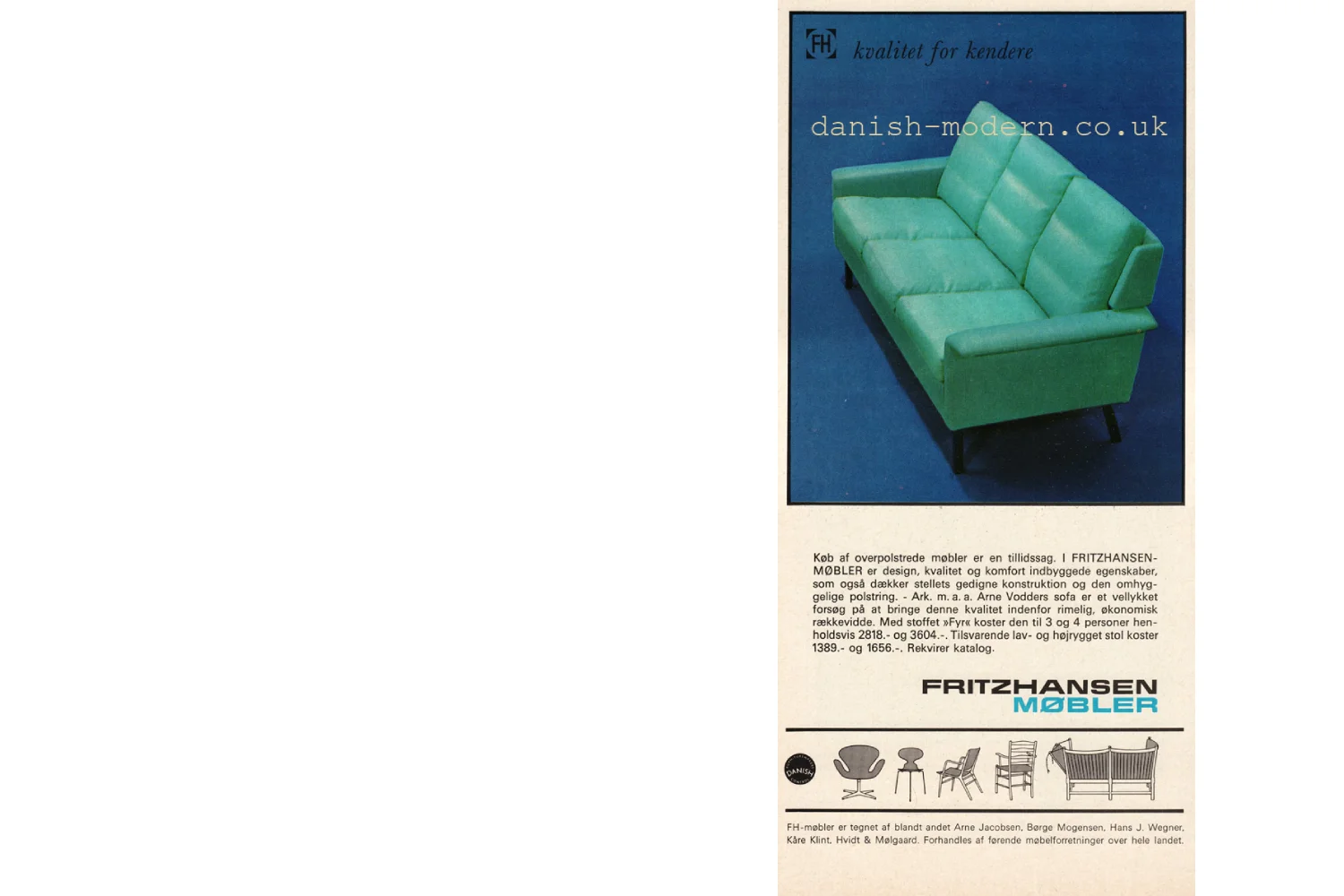
Fritz Hansen, also known as Republic of Fritz Hansen, is a Danish furniture design company whose history began in 1872 in Nakskov. From the outset, Fritz Hansen and his son Christian placed an emphasis on the high quality of the furniture they produced, a characteristic that remains to this day. The company’s long list of commissions during its first fifty years is testament to this. At the beginning of the 20th century, Christian Hansen began experimenting with steam-bending beechwood, while in 1915 he created the first laminated chairs, which became the company’s speciality. Arne Jacobsen completely dominated the 1950s at the company. He began collaborating with it as early as 1934, but the breakthrough came when he created the laminated Ant chair in 1952. His subsequent designs, Series 7 (1955), Swan (1958), and Egg (1958), designed for the Royal Hotel in Copenhagen, became milestones in the history of Fritz Hansen and are still in production today.
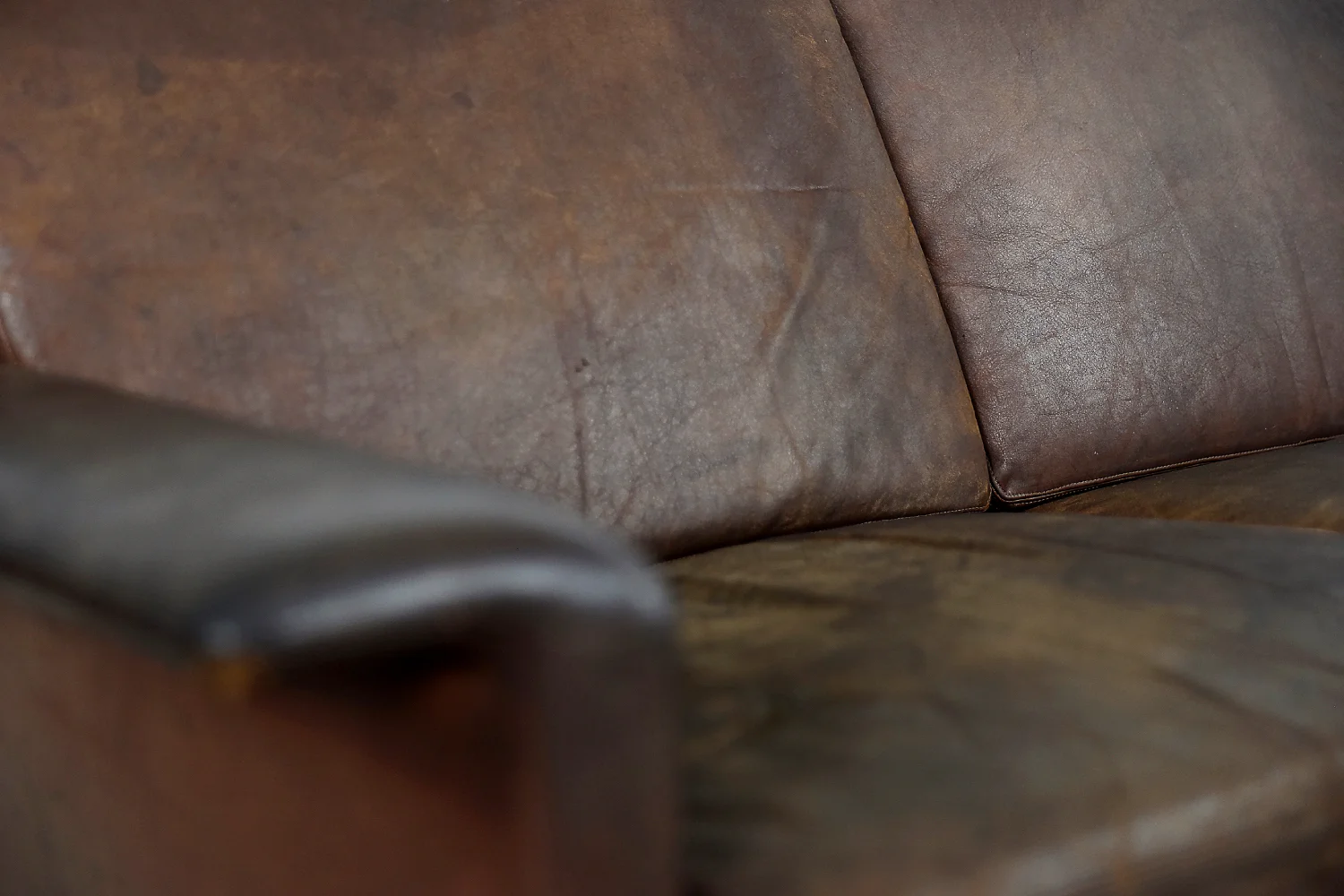
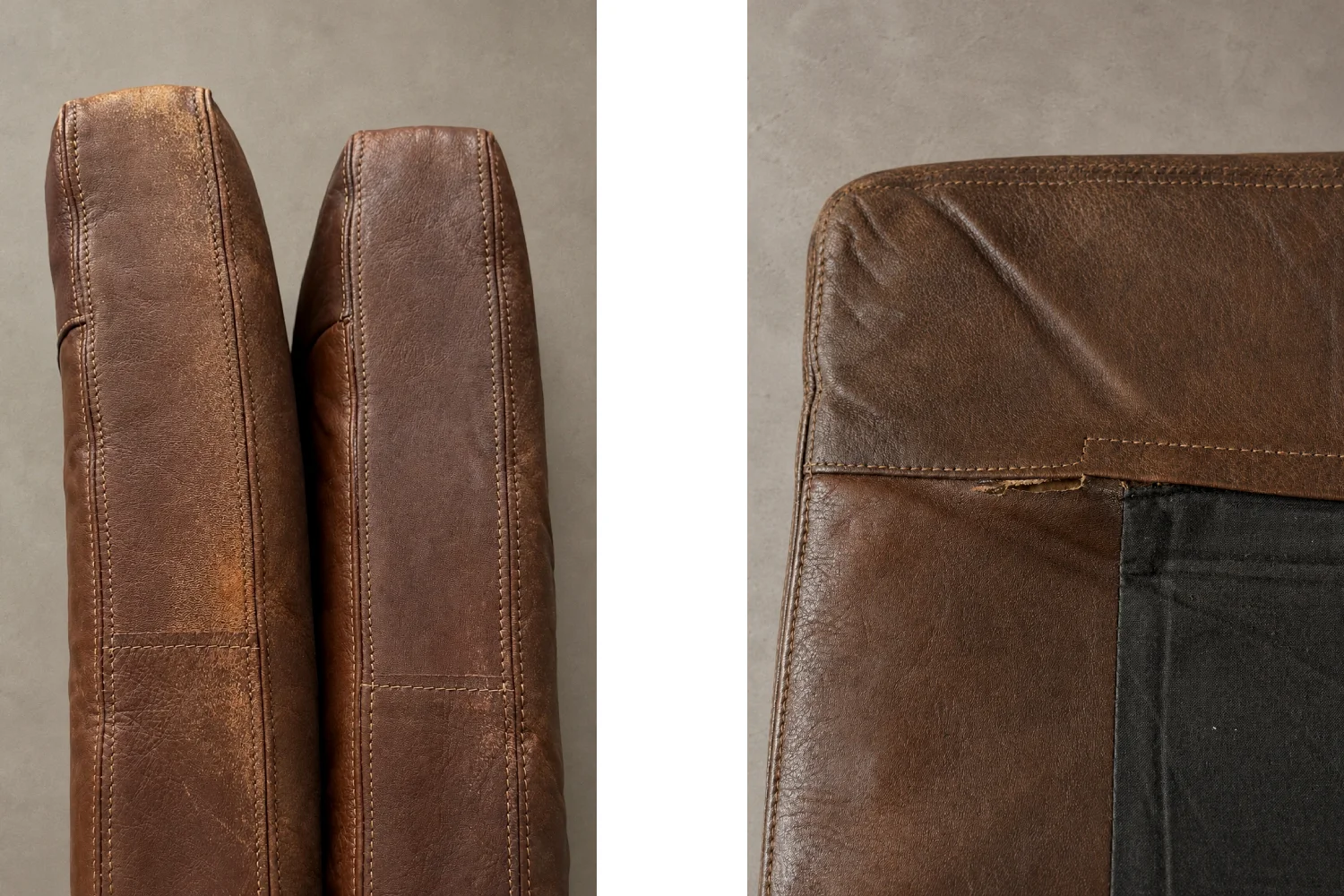
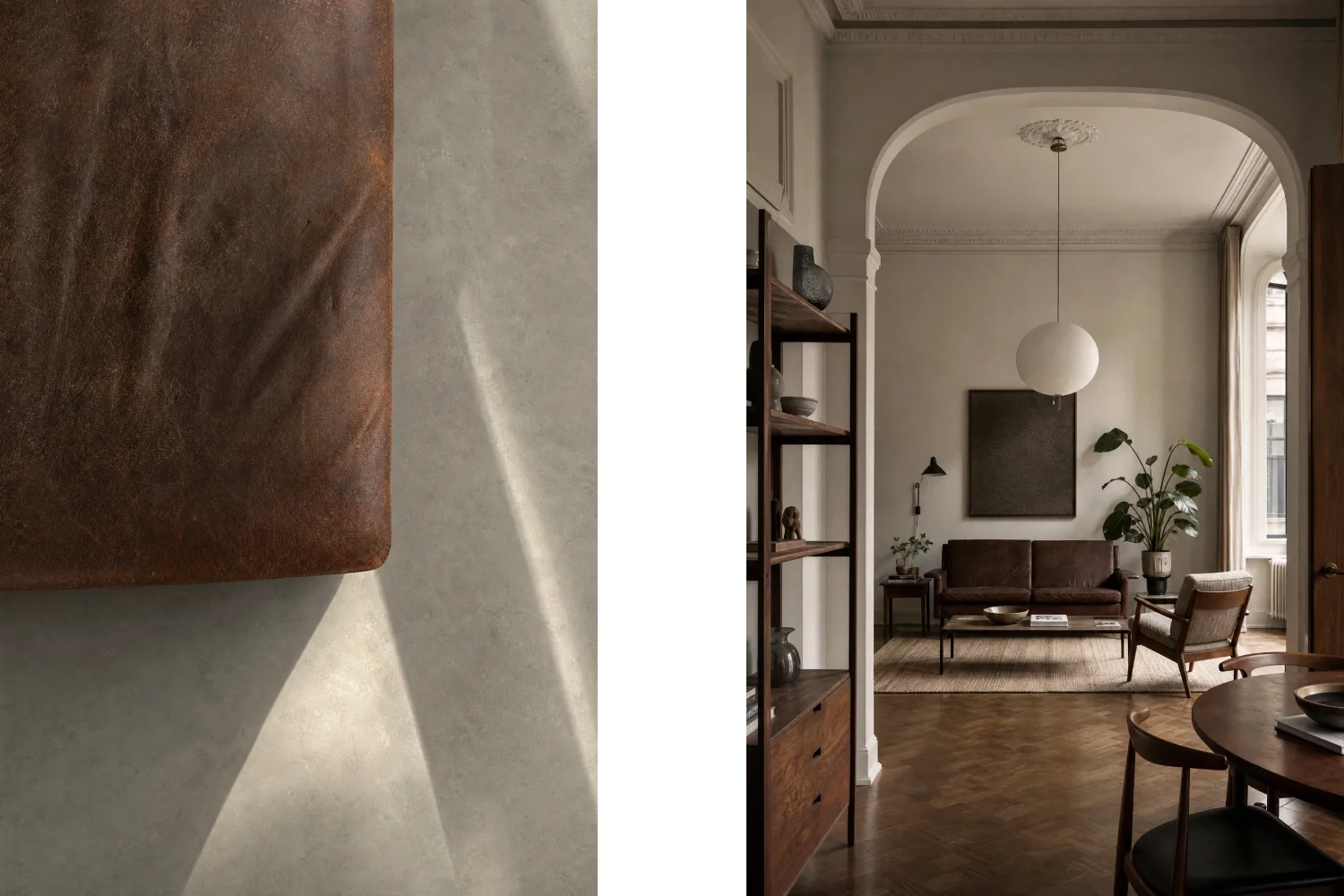
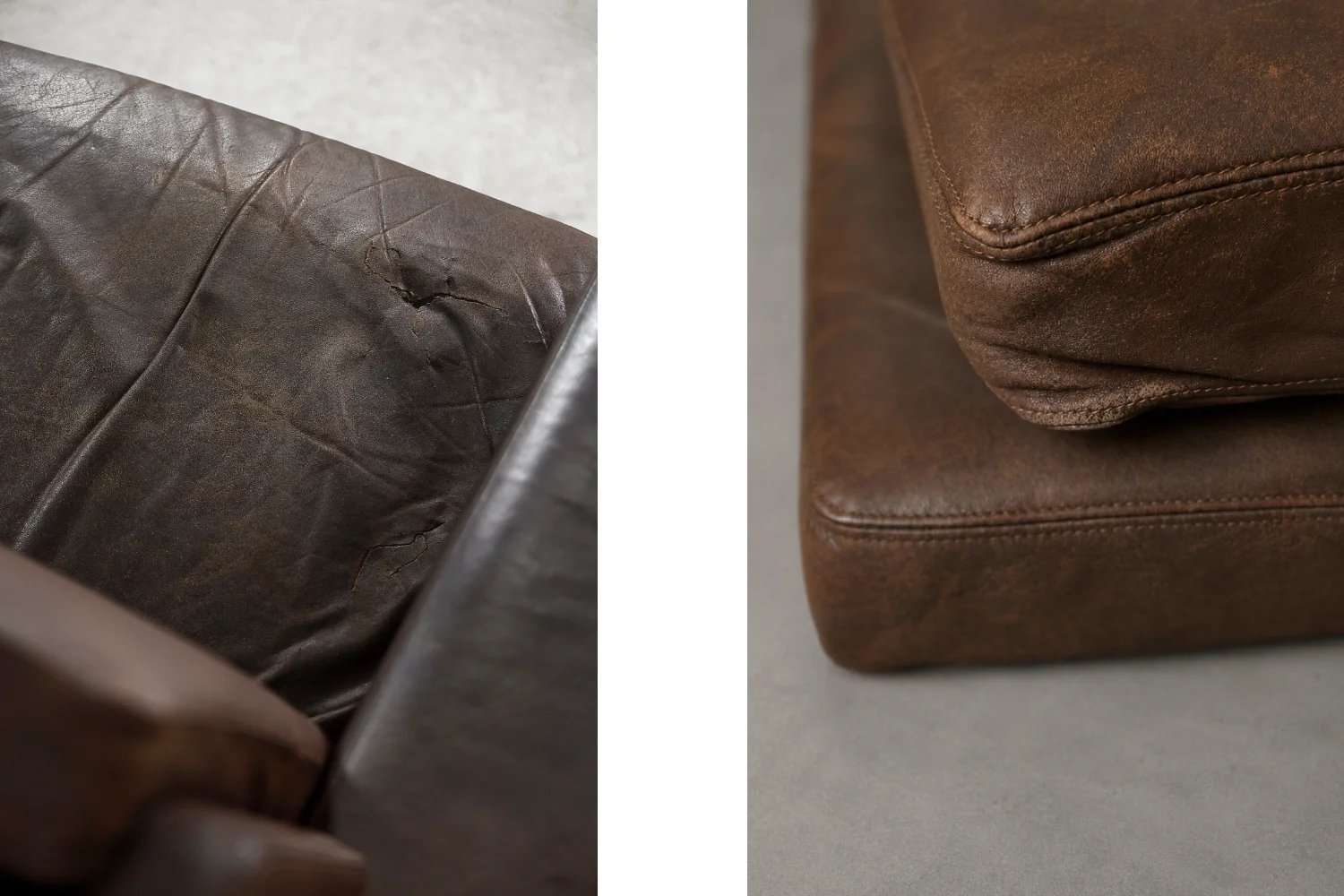
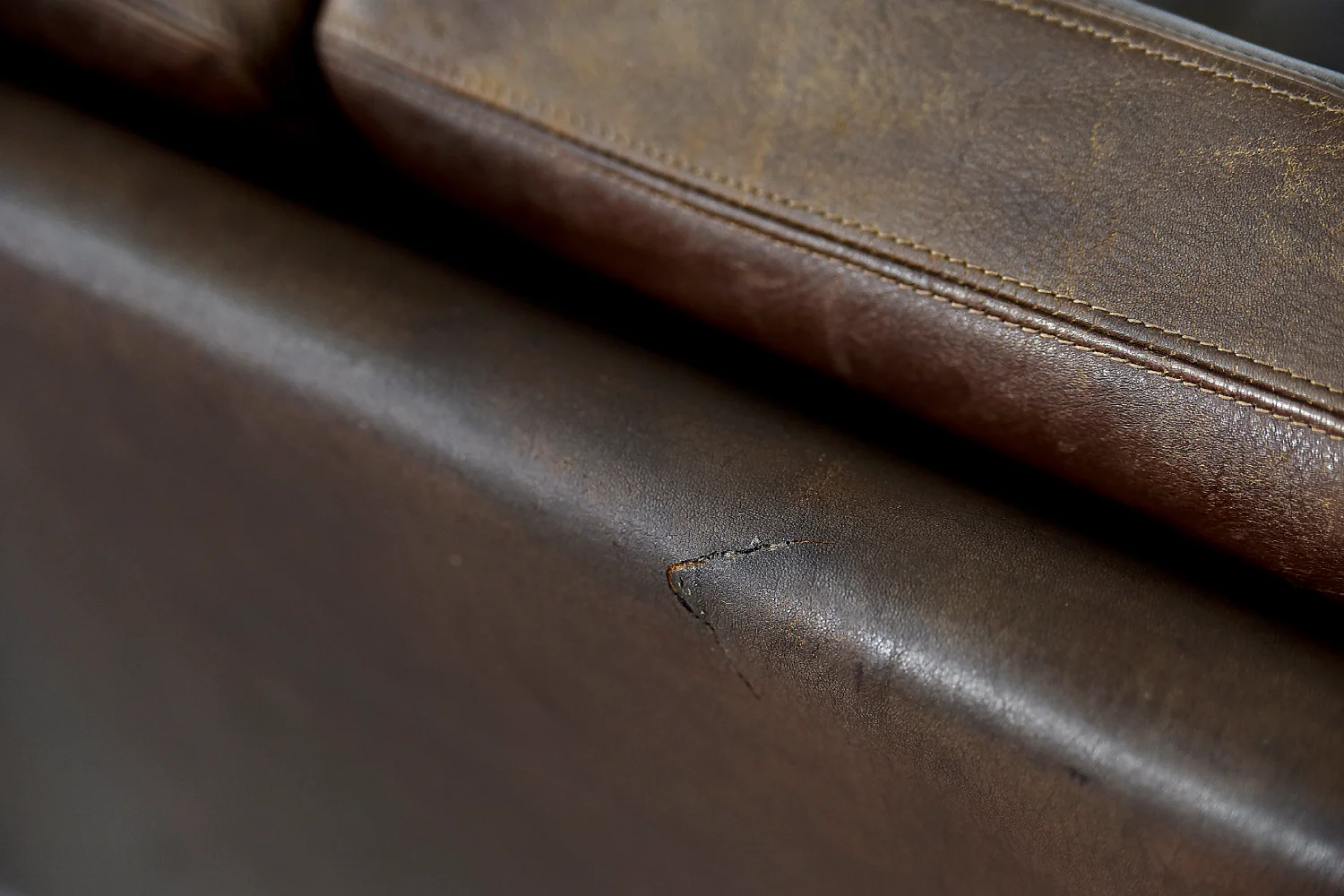
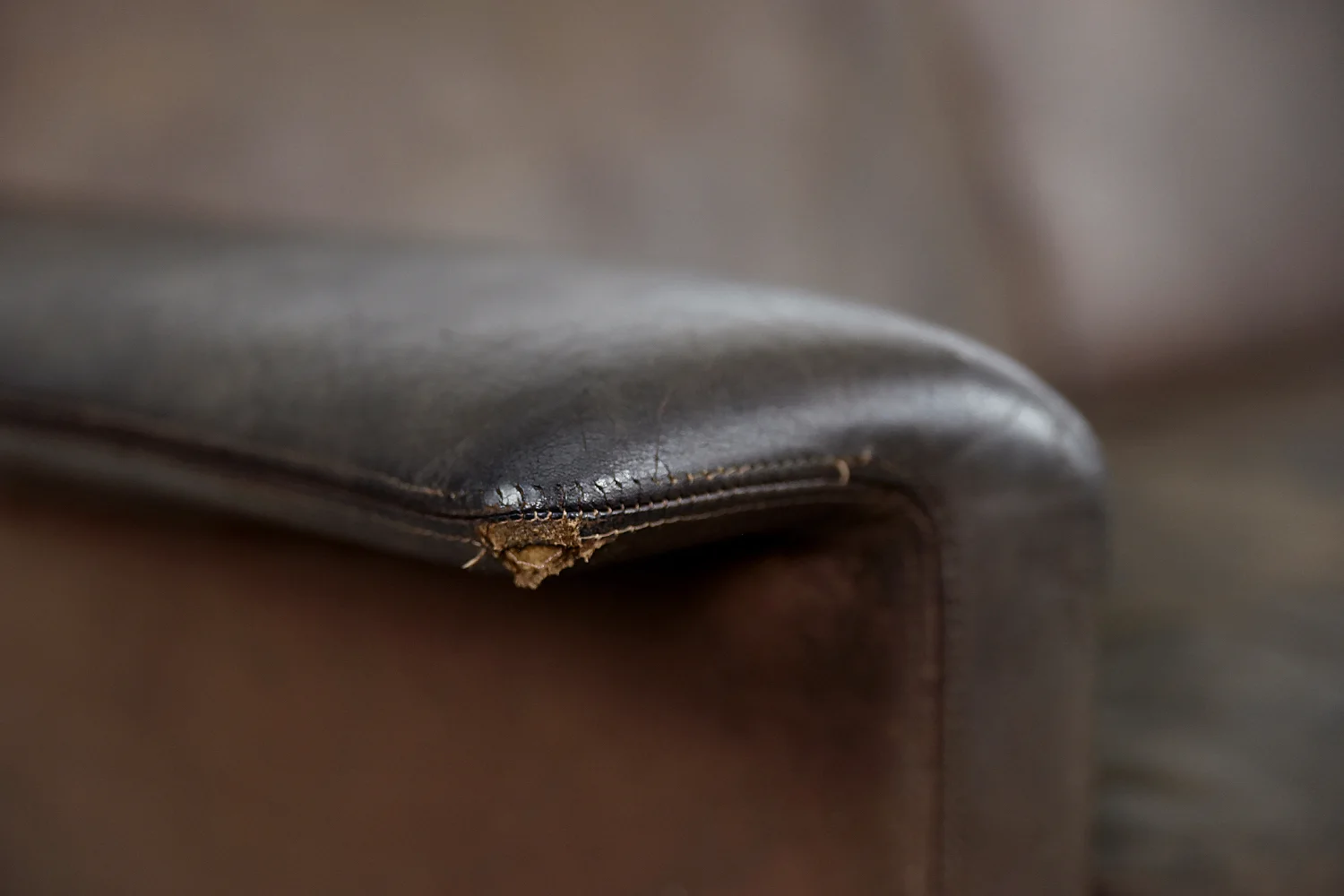
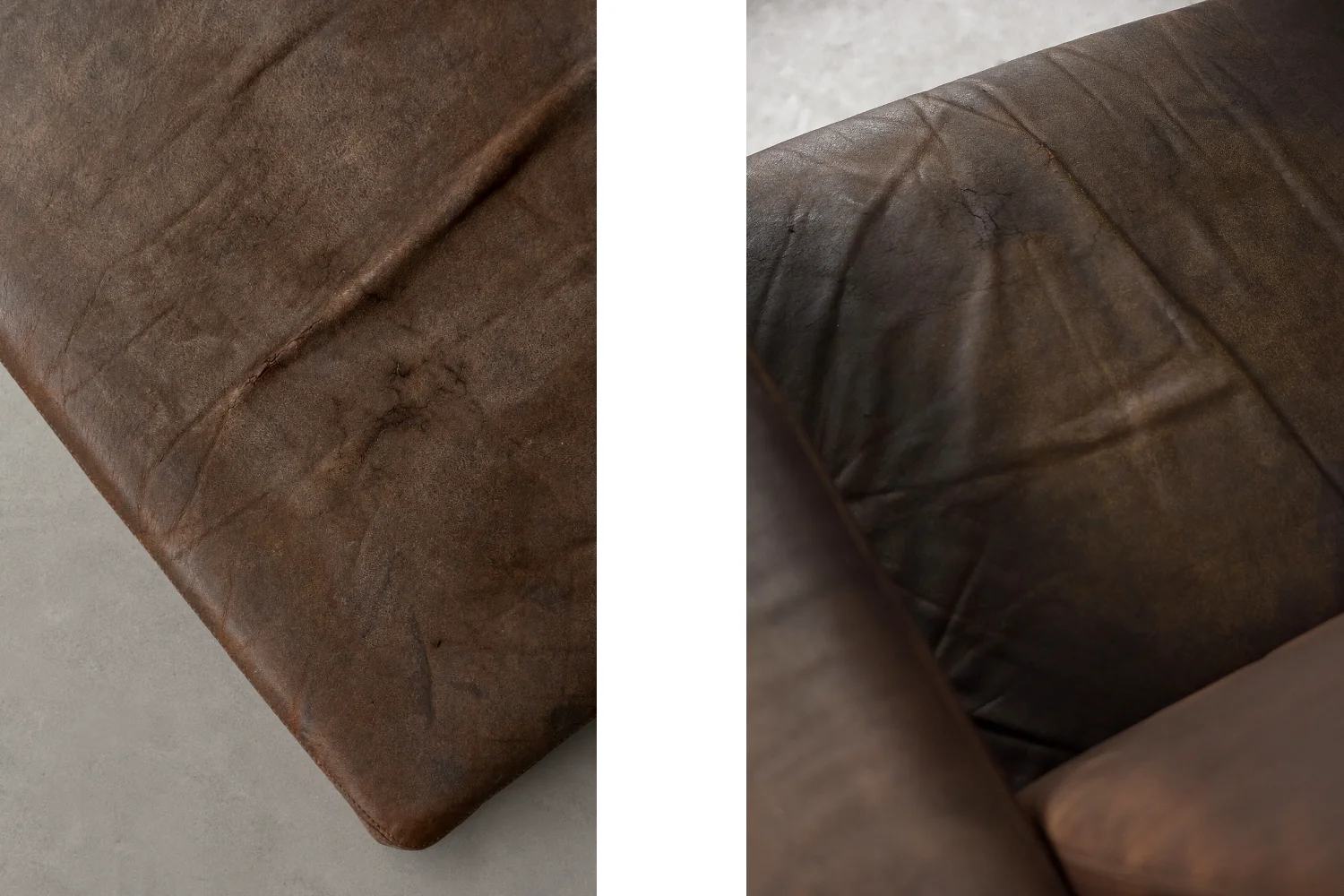
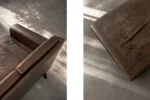
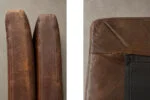
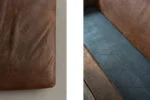
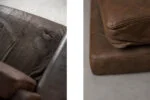
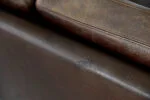
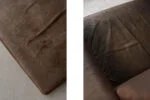
The sofa is in original vintage condition. It has a natural patina and signs of age, scuffing and wear to the leather, pigment changes, a repair mark on the seat, cracking, abrasions, and scratches. Given its museum-piece character, we decided to leave the sofa in its original condition.
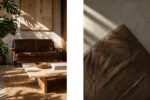
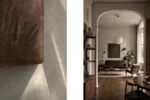
The colours of products shown in photographs may differ slightly from the actual colours. This is due to individual monitor settings and the type of lighting—the photographs were taken in artificial light, which may affect the perception of the shades. We nevertheless make every effort to ensure that the photographs reflect the actual appearance of the product as faithfully as possible. Photographs of the item in an interior may also appear in the listing. They are for illustrative purposes.
Product information
| Condition | Original - Good [The item shows signs of normal use and material ageing] |
|---|---|
| Manufacturer | Fritz Hansen |
| Designer | Arne Vodder |
| Country of origin | Denmark |
| Years of production | 1960-1969 |
| Style | Mid-Century Modern |
| Materials | Genuine leather, Metal |
| Colour | Brown |
Dimensions
| Width | 160 cm |
|---|---|
| Depth | 77 cm |
| Height | 75 cm |
| Seat height | 39 cm |
We ship worldwide. International shipping cost is calculated at checkout.
Delivery cost within Poland: 80,00 €
Estimated delivery time: Up to one week
Loading form…