Collection
Postmodernism in design
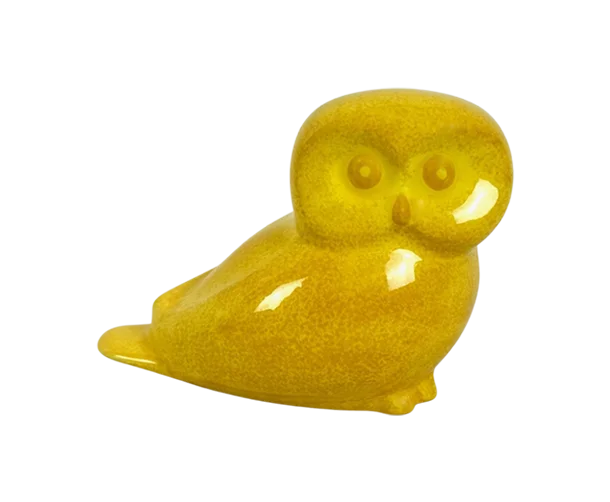
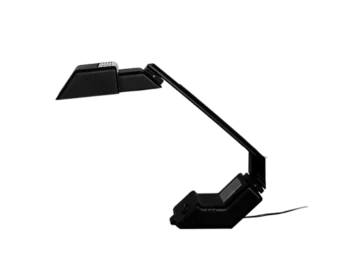
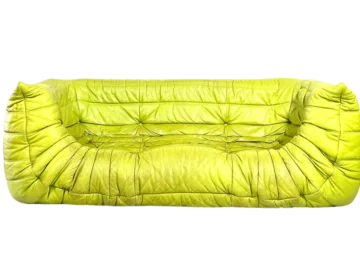
Postmodernism gave back to design what modernism had spent half a century removing: ornament, colour, historical quotation and a sense of humour. Furniture, lamps and objects from the 1970s and 80s play with form and meaning, and the best of them are now collected alongside the classics of modernism. Browse all our postmodern furniture and objects.
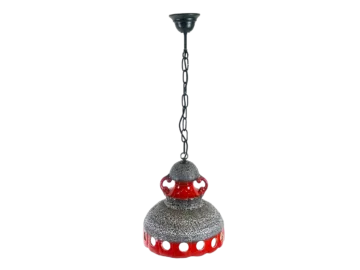
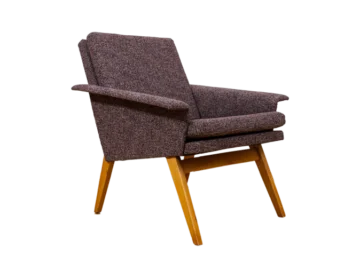
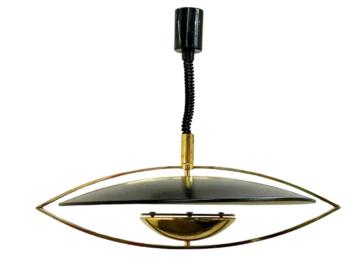
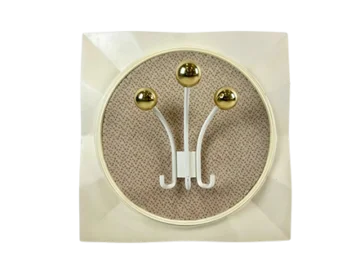
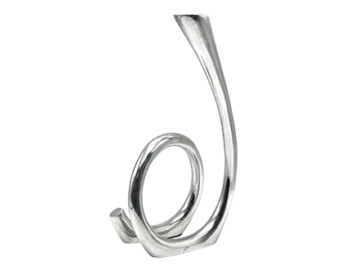
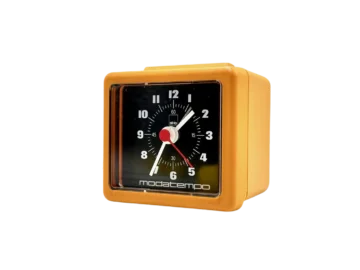
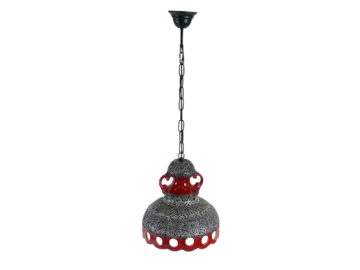
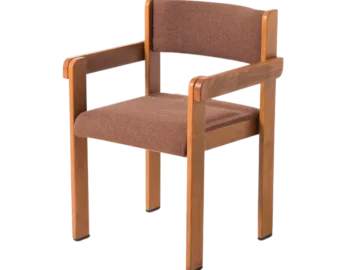

Less is a bore
Postmodernism began in architecture, as a revolt against the glass box. In 1966 the Museum of Modern Art in New York published Robert Venturi’s “Complexity and Contradiction in Architecture”, which its author called a “gentle manifesto”. Venturi argued for an architecture that was complex, ambiguous and rooted in history, and answered Mies van der Rohe’s famous “less is more” with “less is a bore”. In 1977 Charles Jencks gave the movement its name in “The Language of Post-Modern Architecture” and popularised it worldwide.
The moment postmodernism reached the public was the first Venice Architecture Biennale in 1980. In the Arsenale’s former rope works, Paolo Portoghesi built the “Strada Novissima” – a street of twenty façades designed by the leading architects of the movement, from Hans Hollein to Frank Gehry. Columns, arches and pediments were back, but as play: rescaled, brightly coloured and often ironic.
Milan: Alchimia and Memphis
In design, the centre of gravity was Milan. In 1976 Alessandro Guerriero founded Studio Alchimia there, rejecting modernist purity in favour of ornament, symbol and handcraft. In 1978 came the best-known object of this circle: Alessandro Mendini’s Proust armchair – an existing neo-Baroque armchair covered in hand-painted dots after a painting by Paul Signac. The Victoria and Albert Museum calls it postmodern bricolage.
Out of the Alchimia circle came Ettore Sottsass and Michele De Lucchi, who in December 1980 founded the Memphis group – the loudest chapter of postmodern design. Memphis is part of postmodernism but not a synonym for it: it was one Milanese group active for a few years, whereas postmodernism spans two decades of architecture, design and graphics.
Architects design objects
Postmodernism blurred the line between architecture and everyday objects. In 1983 Alessi invited eleven architects to design a tea and coffee service each; the Tea & Coffee Piazza project was issued in limited editions. Michael Graves, architect of the Portland Building (1982), designed the 9093 kettle for Alessi, with its bird-shaped whistle (c. 1985) – one of the best-selling objects of the decade. In New York, Philip Johnson topped the AT&T Building (1978–1984) with a broken pediment, often compared to the top of a Chippendale highboy.
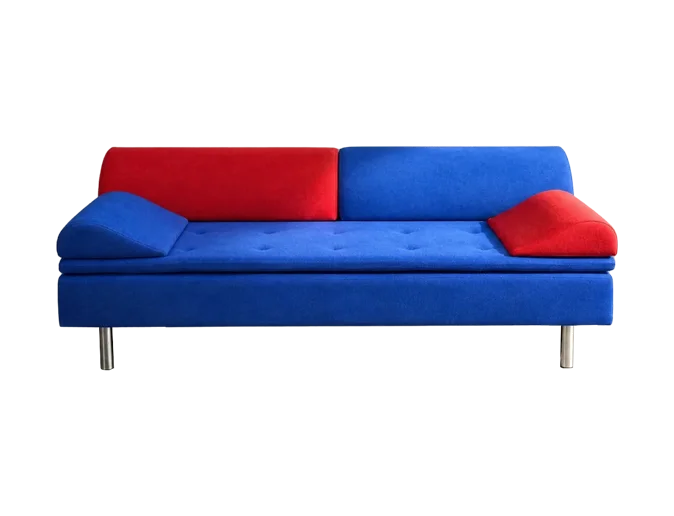
The hallmarks of postmodern objects are intense colour and pattern, laminates and surfaces imitating other materials, geometric volumes stacked like building blocks, quotations from classicism and art deco, and humour. In 2011 the Victoria and Albert Museum surveyed the movement in “Postmodernism: Style and Subversion 1970–1990”, the first exhibition of its scale on the art, design and architecture of those years.
Postmodernism in Poland
In Poland, postmodernism first appeared in church architecture. The Church of the Ascension in Warsaw’s Ursynów district (1980–1985), by Marek Budzyński and Piotr Wicha, combines arches and traditional motifs with a modern structure, while the Resurrectionist seminary in Kraków (1985–1993) is regarded as the most accomplished Polish work of the movement. In 1993 Wojciech Jarząbek’s Solpol department store opened in Wrocław – an icon of 1990s Polish postmodernism, demolished from 2022.
In the homes of the late communist decades, arches, wood panelling and period-style furniture appeared – historians call this an anti-modernist current. Original postmodern design reached Poland mainly from Italy and Germany. With pieces from those years, check the maker’s marks: many icons stayed in production for decades, and the production date of every piece is given on its product page.