Collection
Danish Vintage Furniture
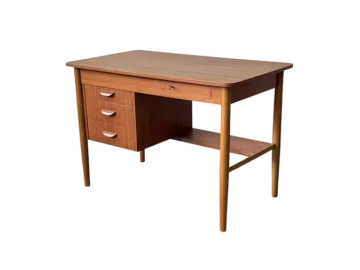
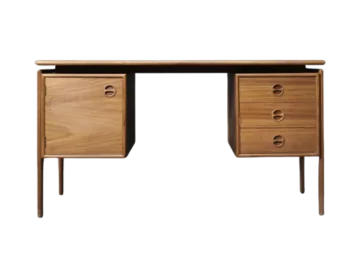
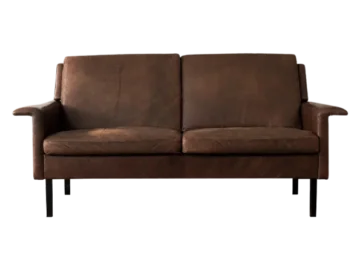
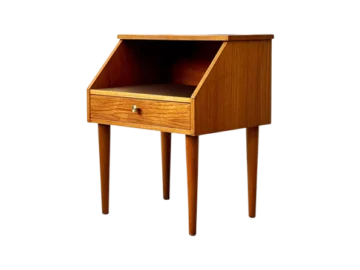
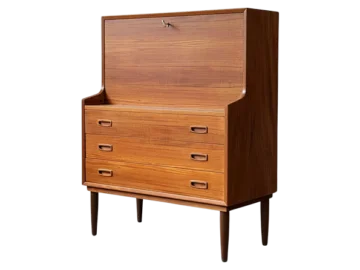
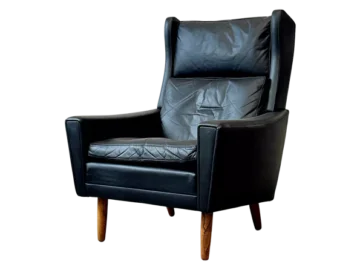
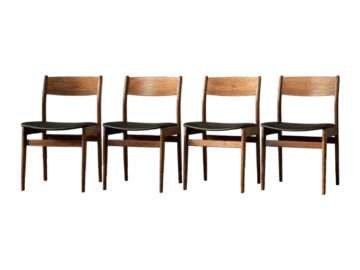
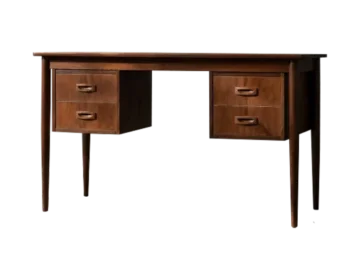
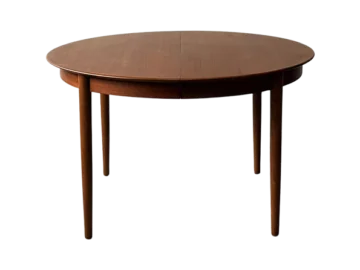
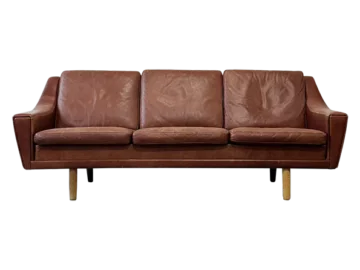
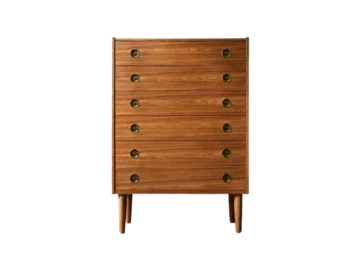
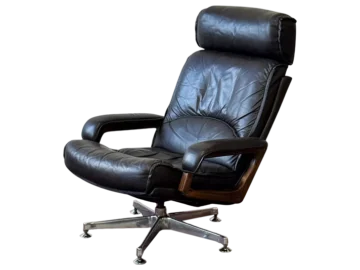
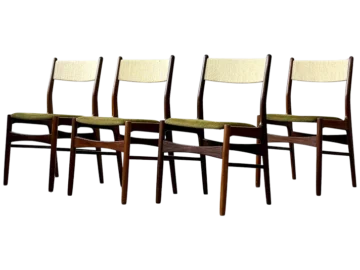
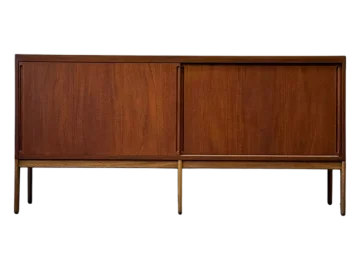
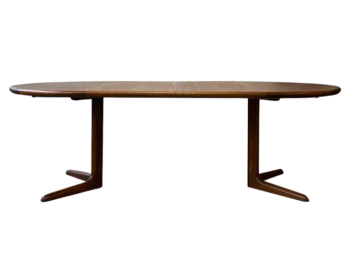
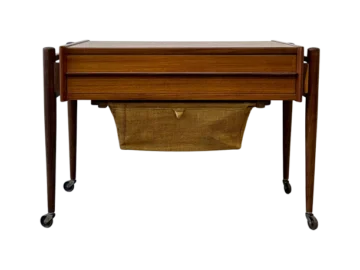
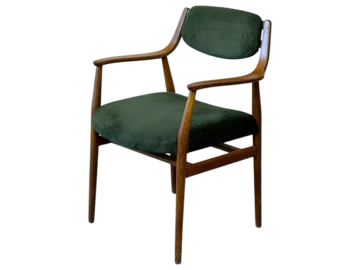
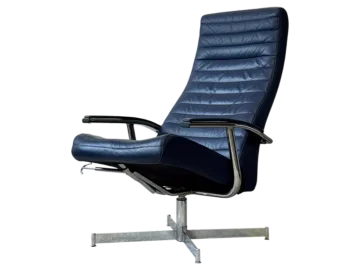
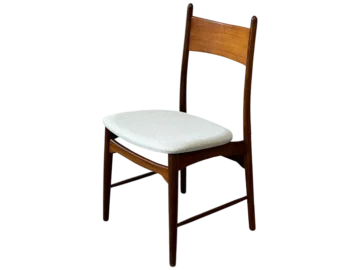
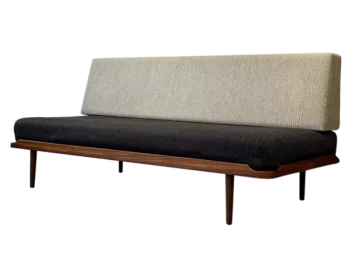
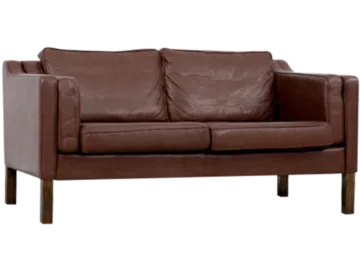
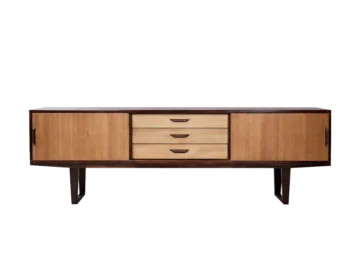
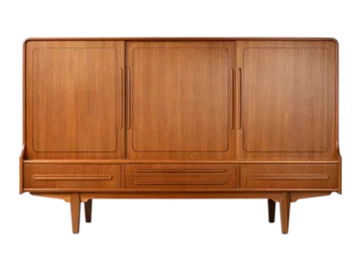
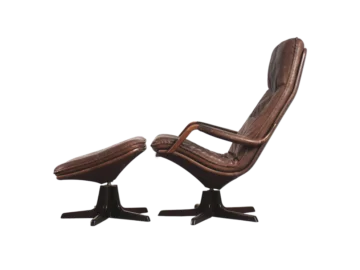
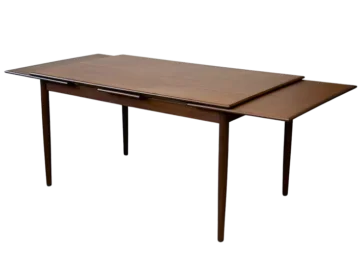
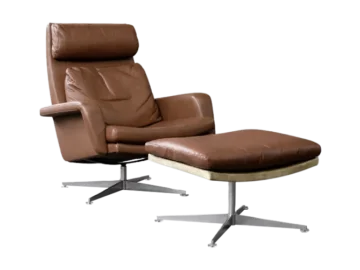
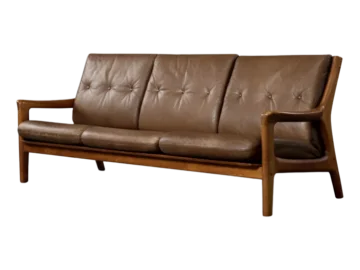
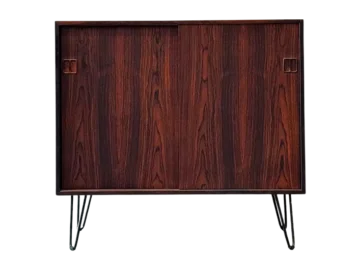
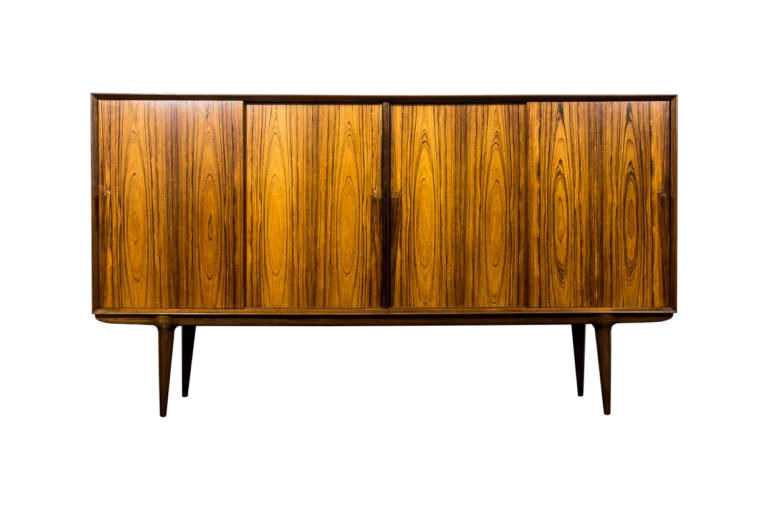
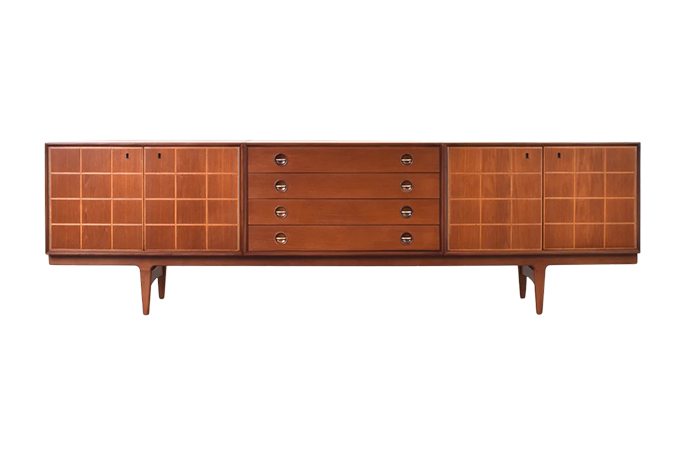
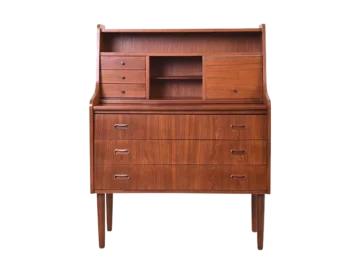
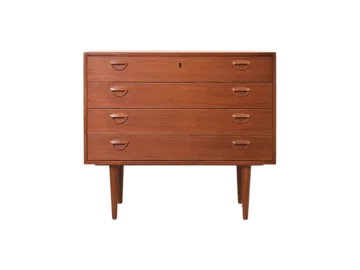
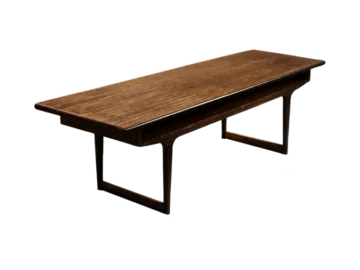
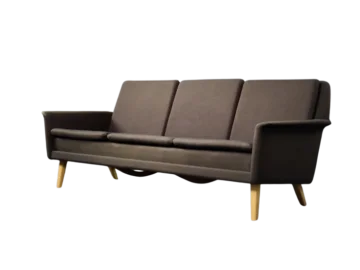
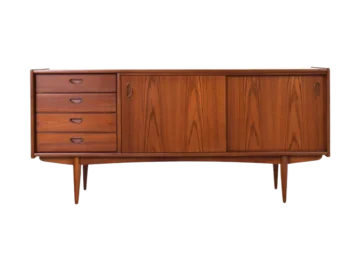
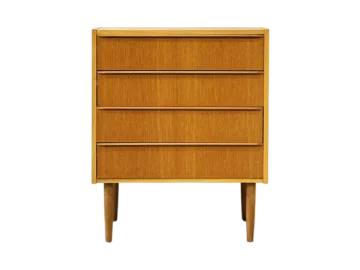
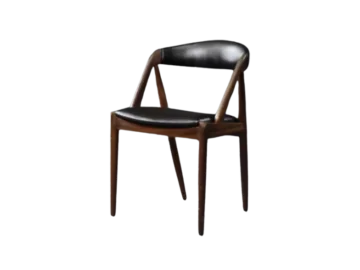
Danish vintage furniture is the benchmark for all post-war design – furniture designed by architects, made by cabinetmakers and used by generations. The collection includes originals from the 1950s–70s in teak, rosewood and oak. Furniture from other countries is in our vintage furniture category.
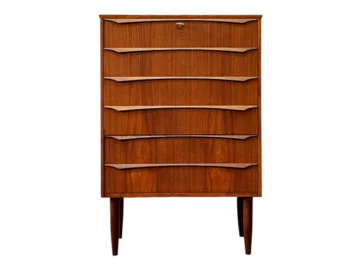
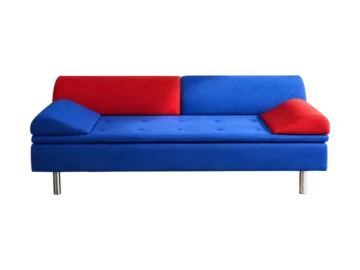
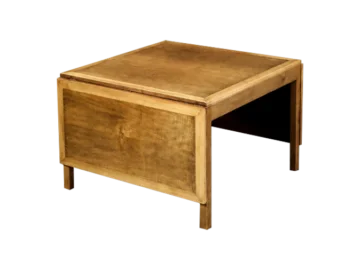
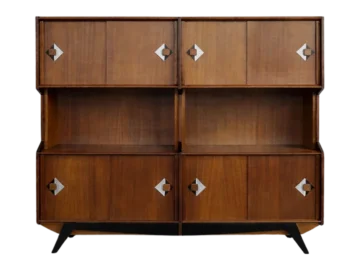
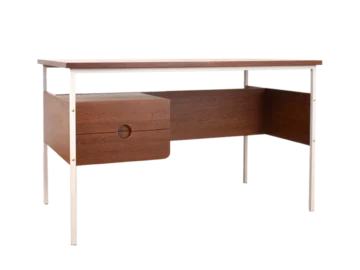
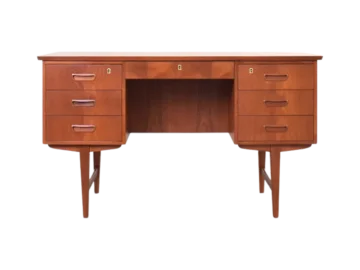
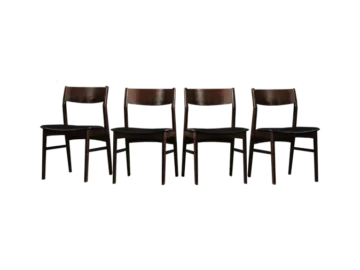
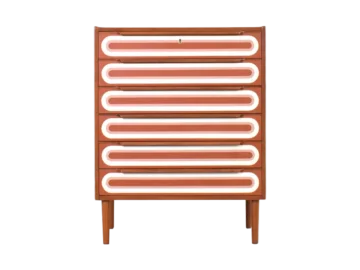
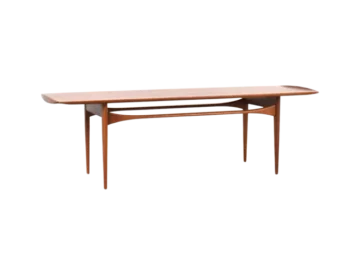
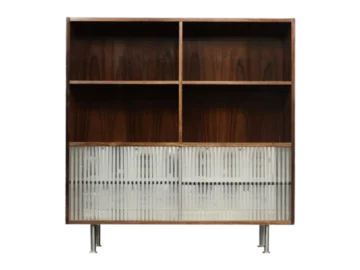
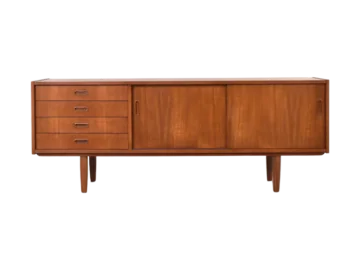
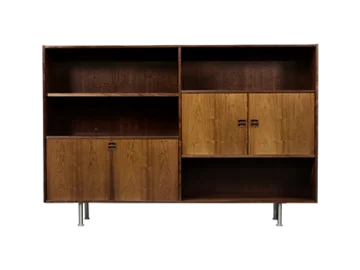
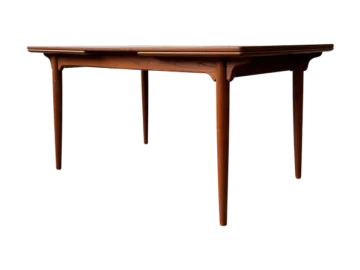
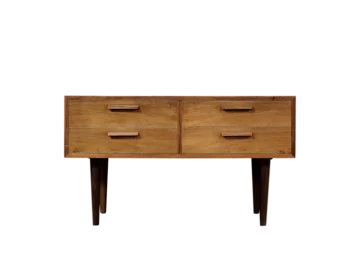
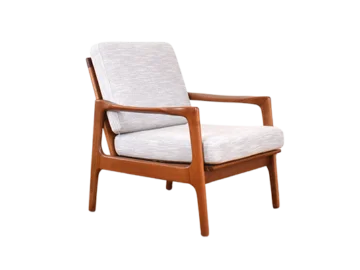
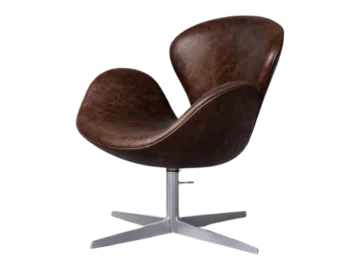
How Denmark changed furniture
The Danish design phenomenon began in the 1920s. In 1924 Kaare Klint took over the furniture department at the Royal Danish Academy of Fine Arts and began teaching design based on the proportions of the human body, function and proven furniture types. From 1927 to 1966 the Cabinetmakers’ Guild held annual exhibitions in Copenhagen, where architects showed new designs made by craftsmen. Finn Juhl, Hans J. Wegner and Børge Mogensen all made their debuts there.
After the war this model of collaboration was carried over into industry. The FDB Møbler cooperative, headed by Mogensen from 1942, produced good furniture at affordable prices, while medium-sized factories in Jutland and on Funen flooded the American and European markets with exports. That is why 1960s Danish furniture combines two things that rarely go together: craftsmanship and scale of production.
What sets Danish design apart
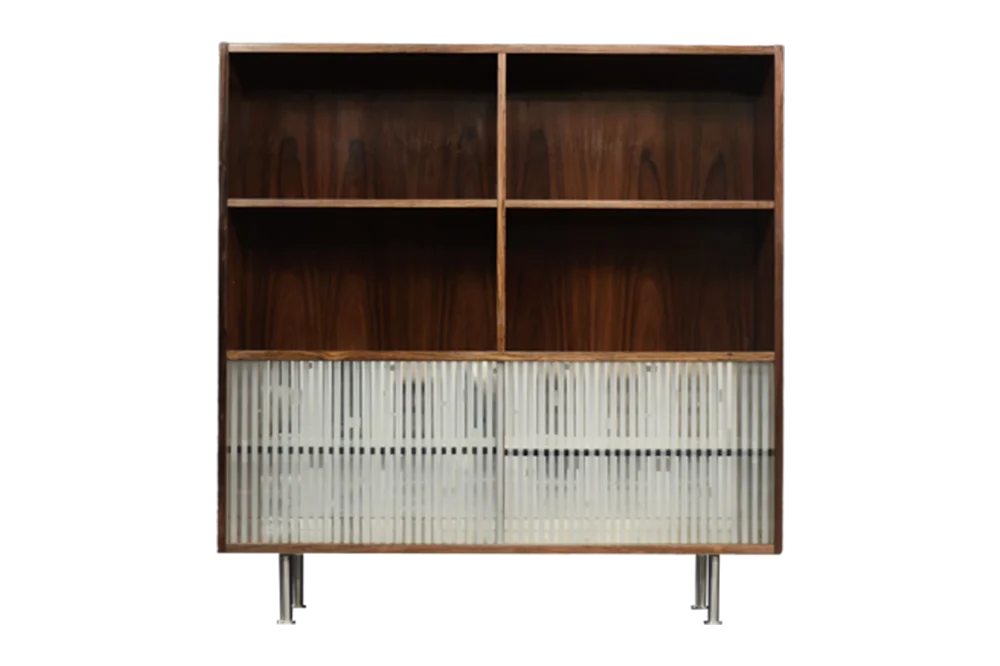
Typical features are solid wood and veneer in teak, rosewood or oak, refined joints, rounded edges pleasant to the touch and simple, functional forms without ornament. The furniture is lower and lighter than its counterparts from other countries, because it was designed for small, light-filled flats. Most of the furniture in this collection dates from the 1960s.
Makers and designers
The furniture in this collection was made by Fritz Hansen (in business since 1872), France & Son, Getama, Niels Eilersen A/S, Fredericia, Haslev Møbelsnedkeri and Korup Stolefabrik, among others. Its designers include Hans J. Wegner, Kai Kristiansen, Illum Wikkelsø, Arne Vodder and Børge Mogensen.
How to recognise an original
Danish makers marked their furniture with a stamp, a branded mark or a label – usually under the top, on the back panel or beneath the seat. Some pieces also carry the Danish Furniture Makers’ Control quality mark or the words Made in Denmark. A surviving mark makes it easier to confirm the maker and the designer.