Collection
Space Age – space-age design of the 1960s and 1970s
Space Age design emerged from the Space Race, from Sputnik in 1957 to the 1969 Moon landing. Original furniture and lighting from the 1960s and 1970s.
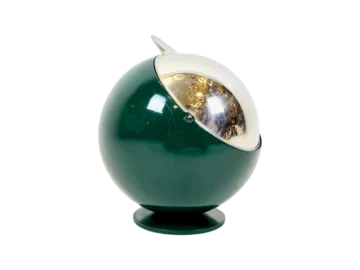
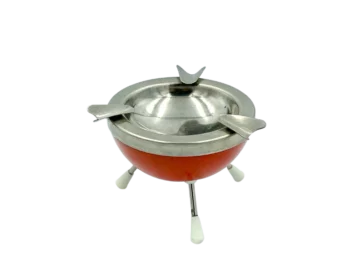
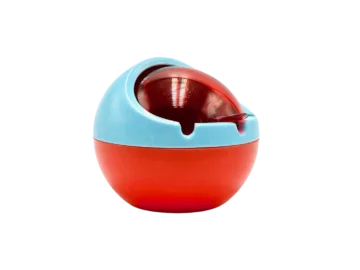
Spherical ashtray, designed by F. W. Quist, F. W. Quist, Germany, 1970s
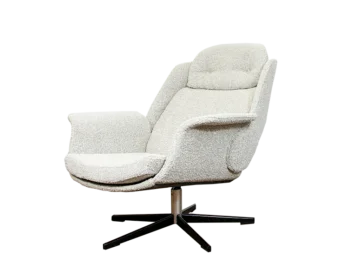
B7041 Swivel Armchair by Zakłady Przemysłu Meblarskiego w Radomsku, Poland, 1970s
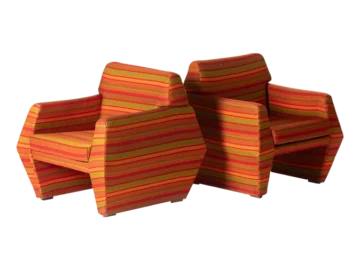
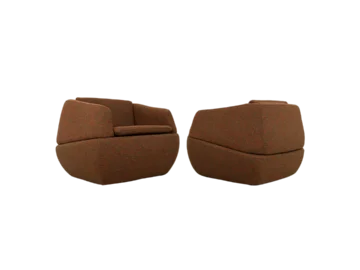
PRL armchairs, Olsztyńskie Fabryki Mebli, Poland, 1970s
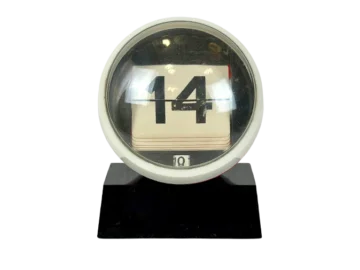
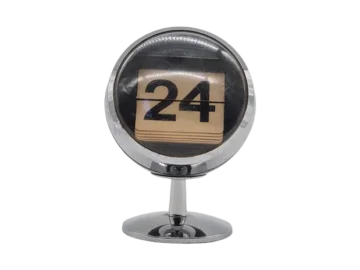
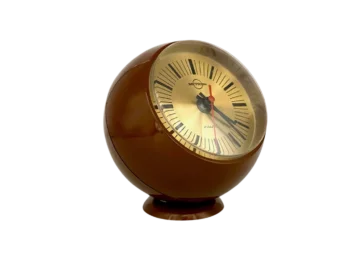
Flip calendar, France, 1960s
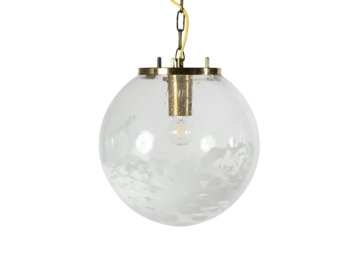
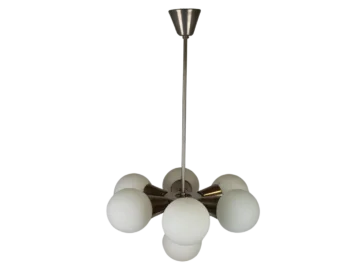
Ceiling lamp with a glass shade, Kamenický Šenov, Czechoslovakia, 1970s
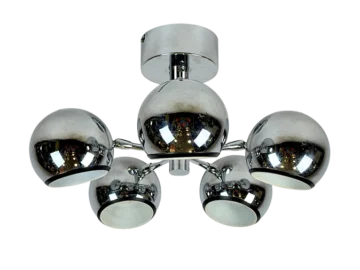
Five-arm ceiling lamp, 1980s
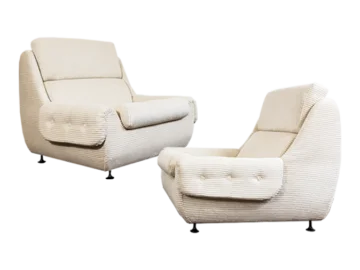
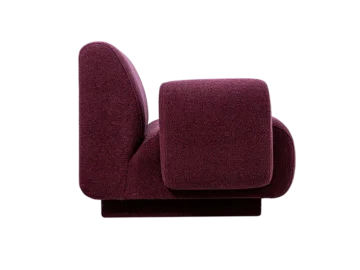
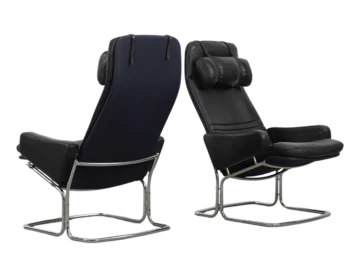
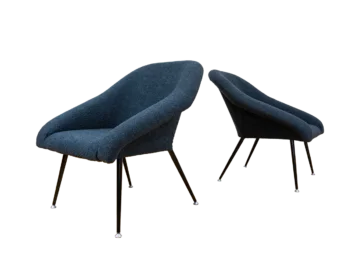
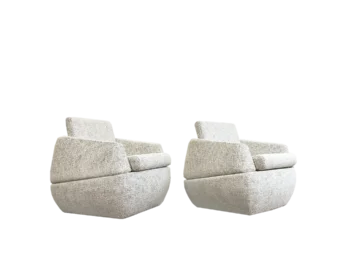
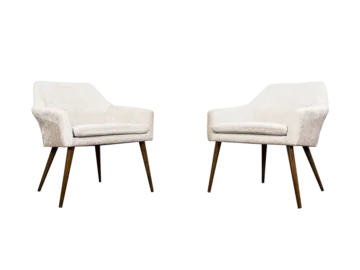
Pair of armchairs, Jitona, Soběslav, Czechoslovakia, 1970s
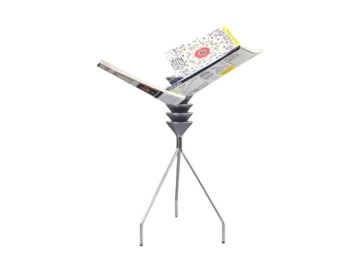
Omero magazine rack, designed by Francisco Gomez Paz, produced by Driade, Italy, 2006
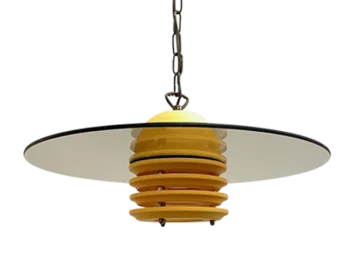
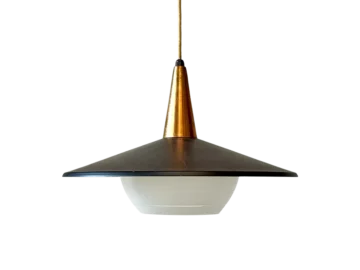
Space Age pendant lamp, Poland, 1990s
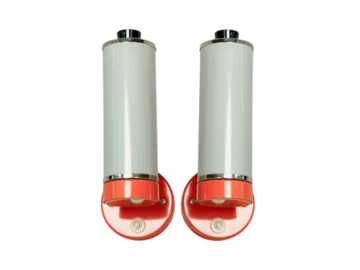
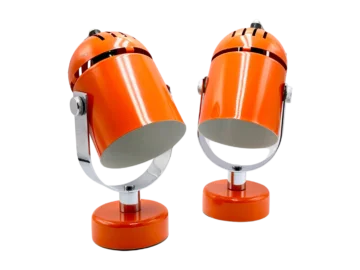
Pair of wall lights, designed by Josef Hůrka, Napako, Czechoslovakia, 1960s
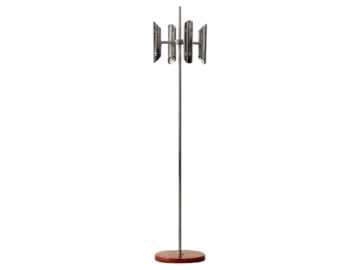
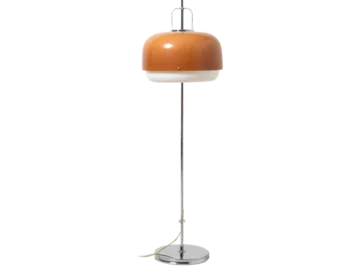
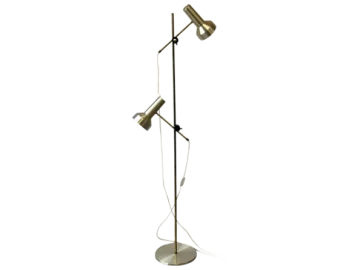
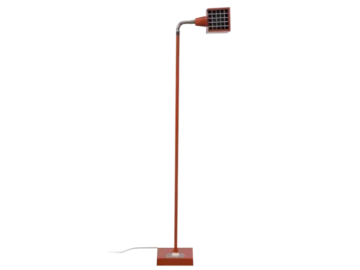
Space Age floor lamp, Italy, 1960s
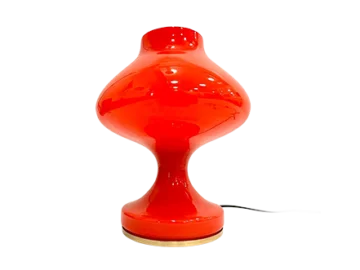
Vintage glass lamp, designed by Stepan Tabera, OPP Jihlava, Czechoslovakia, 1970s
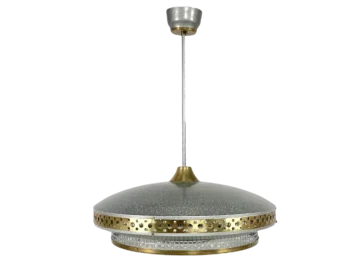
UFO Lamp, L’udib, Czechoslovakia, 1950s
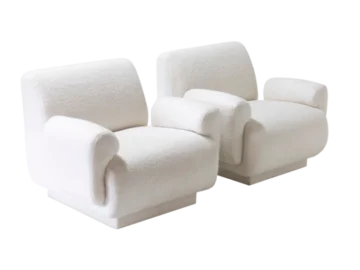
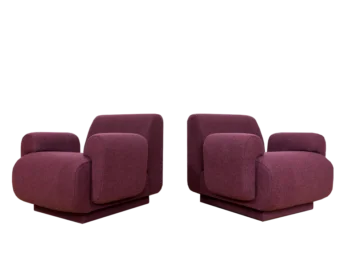
Vintage armchairs, designed by Eberhardt Geißler, VEB Deutsche Werkstätten Hellerau, Germany, 1970s
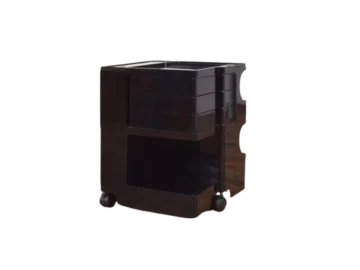
Boby trolley cabinet, designed by Joe Colombo, Bieffeplast Padova, Italy, 1970s
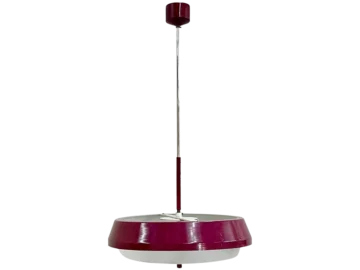
UFO Lamp, Drupol, Czechoslovakia, 1960s
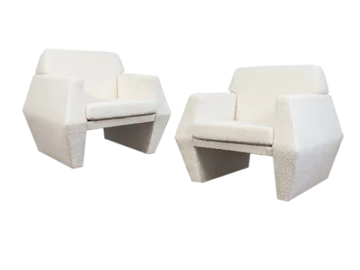
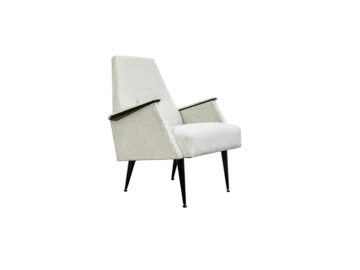
Geometric vintage armchairs, Lubuskie Fabryki Mebli, PRL, 1970s
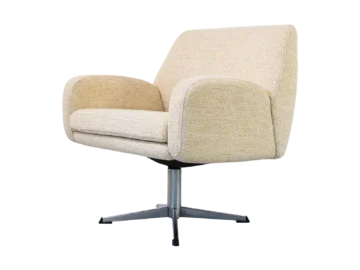
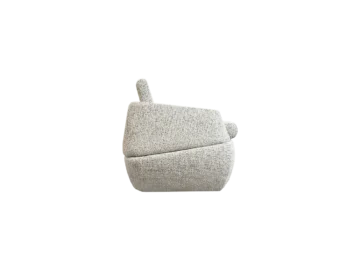
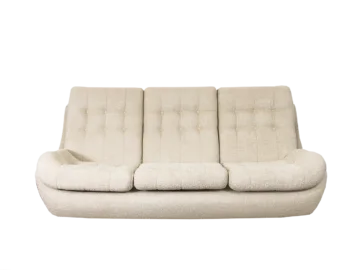
Space Age swivel armchair, Germany, 1970s
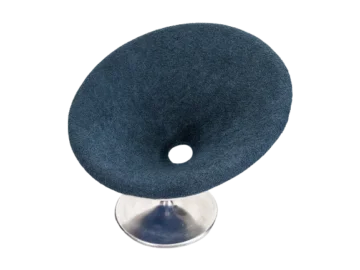
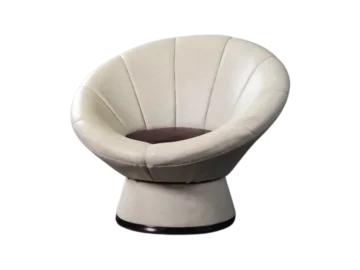
Cone armchair, Space Age, Germany, 1970s
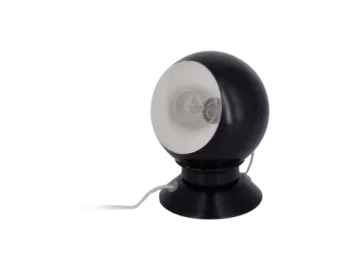
H.63 magnetic lamp, designed by Hans Jørgen Berthel, Abo Randers, Denmark, 1960s
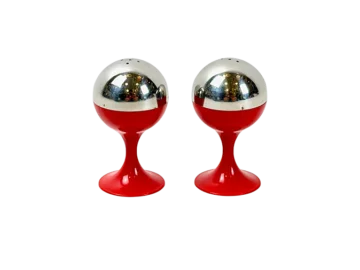
Salt and pepper shakers, F. W. Quist, Germany, 1970s
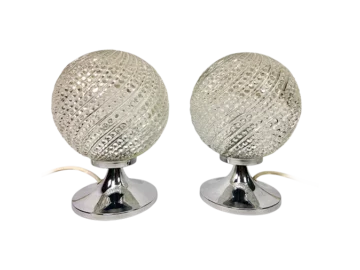
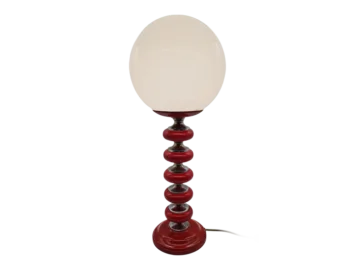
Pair of vintage lamps, Otto Leuchten, Germany, 1970s
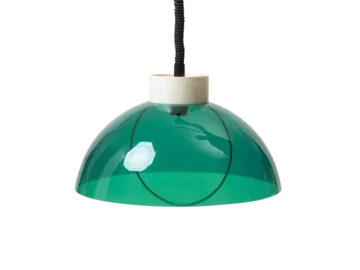
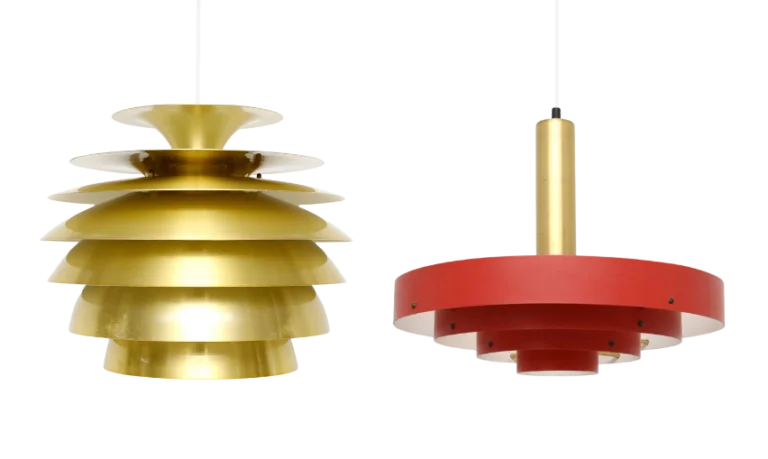
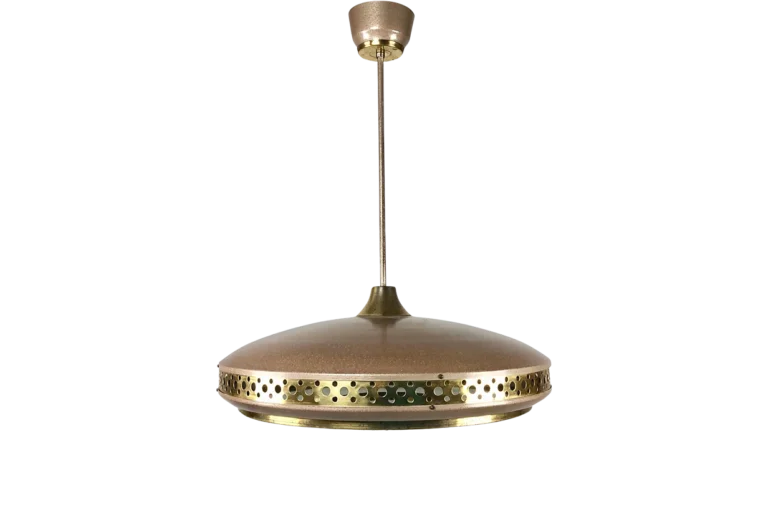
Space Age pendant lamp, POLAM, Poland, 1970s
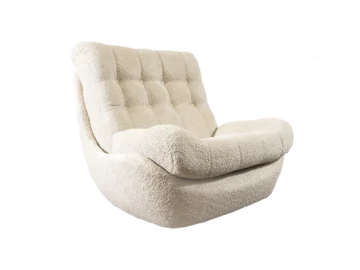
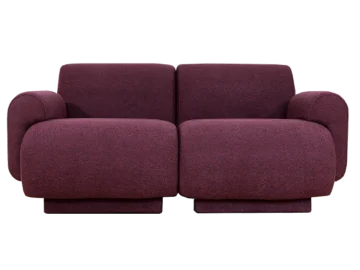
Atlantis Armchair, Space Age, Jitona, Czechoslovakia, 1970s
The Space Race
On 4 October 1957, the Soviet Union launched Sputnik 1, the first artificial satellite of the Earth. Space became a leading subject overnight – in politics, science, fashion and design. Designers began creating objects that looked as if they had come from a spacecraft: rounded, glossy, white and silver, or in intense pop colours. In fashion, André Courrèges presented a collection in 1964 that earned him the title of space-age designer, while Pierre Cardin created garments from new moulded fabrics.
Victoria and Albert Museum links space-age furniture to the period from Sputnik to the Apollo 11 Moon landing in July 1969. The oil crisis of the early 1970s brought the era to an end: plastics became more expensive, and fascination with plastic gave way to concern for the environment.
Plastic, foam, capsule
Space Age design was made possible by new technologies. Fibreglass-reinforced polyester laminate made it possible to mould an entire seat from one piece, injection-moulded ABS made it possible to produce chairs in their millions, while polyurethane foam stretched over a steel frame and covered in elastic knitted fabric created soft, low seats with sculptural forms. The capsule was a favoured form, enclosing the sitter like the interior of a vehicle, while white was the favoured colour.
An icon of the style is the Ball Chair, designed by Finnish designer Eero Aarnio in 1963 – a plastic sphere on a swivel base, presented by Asko at a trade fair in Cologne in 1966. Joe Colombo designed the Universale chair for Kartell (1965–1967), which Victoria and Albert Museum describes as the first chair made entirely from plastic using injection moulding. Olivier Mourgue created the Djinn armchairs, which appeared in Stanley Kubrick’s film “2001: A Space Odyssey” (1968), while Pierre Paulin designed the Mushroom, Ribbon and Tongue armchairs for Dutch company Artifort.
Verner Panton and Visiona
The most consistent visionary of Space Age design was Dane Verner Panton. The Panton Chair, designed in 1959–1960 and produced from 1967–1968 by Vitra, was one of the first cantilever chairs moulded entirely from plastic. Between 1968 and 1972, Bayer invited designers to furnish the interior of a cruise ship during a trade fair in Cologne – for the Visiona 2 exhibition in 1970, Panton designed “Fantasy Landscape”, an interior in which the floor, walls and seats became one undulating form. The canteen of the Spiegel publishing house in Hamburg (1969), preserved to this day, is one of the few of his interiors in its original condition.
Space Age design is closely related to pop art – both movements combine intense colour, plastics and youthful energy – and to the earlier post-war Atomic Age, with its motifs of atoms and stars.
Space Age on the other side of the Iron Curtain
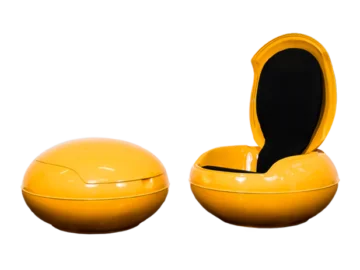
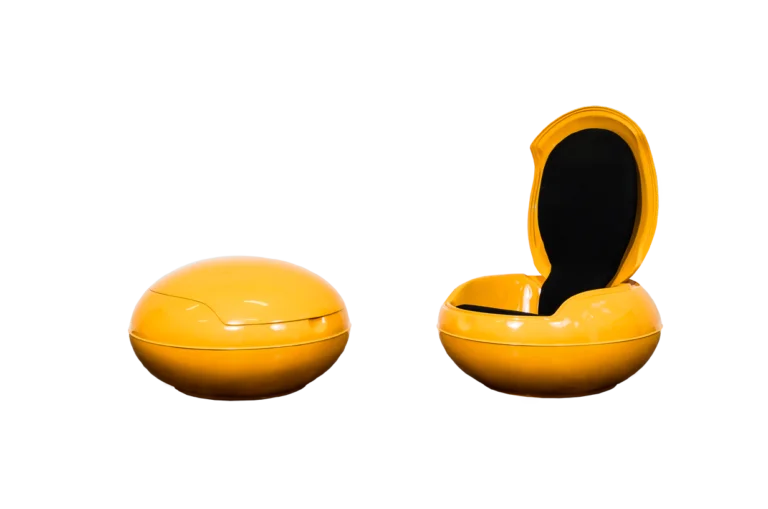
Fascination with space knew no borders. The Czechoslovak pavilion at the Expo 58 world exhibition in Brussels was judged the best at the exhibition, and its success gave its name to the “Brussels style” – a Czechoslovak variant of modernism with pastel colours, glass, laminate and plastics. In the GDR, Peter Ghyczy’s Garden Egg was produced – an egg-shaped garden armchair made of polyurethane.
In Poland, Roman Modzelewski designed the RM58 armchair in Łódź in 1958, made from polyester-fibreglass laminate – according to Victoria and Albert Museum, probably one of the first Polish chairs made from fibreglass, now in the museum’s collection. Space-age lamps from Czechoslovak, German and Polish factories are now one of the most interesting groups in this collection. You can find all Space Age furniture and lighting available in the shop. We give the country, decade and condition of each item on the product page.