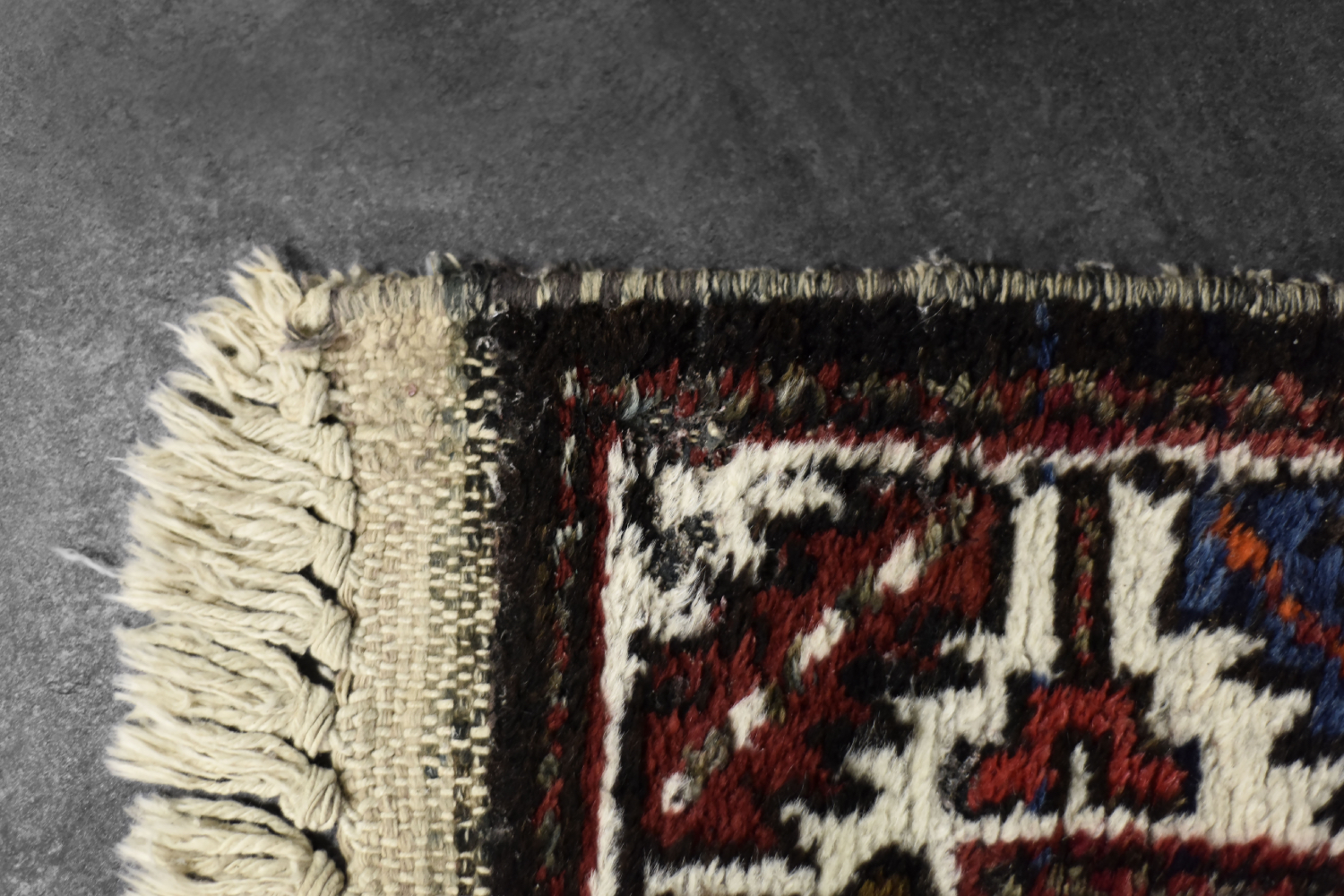
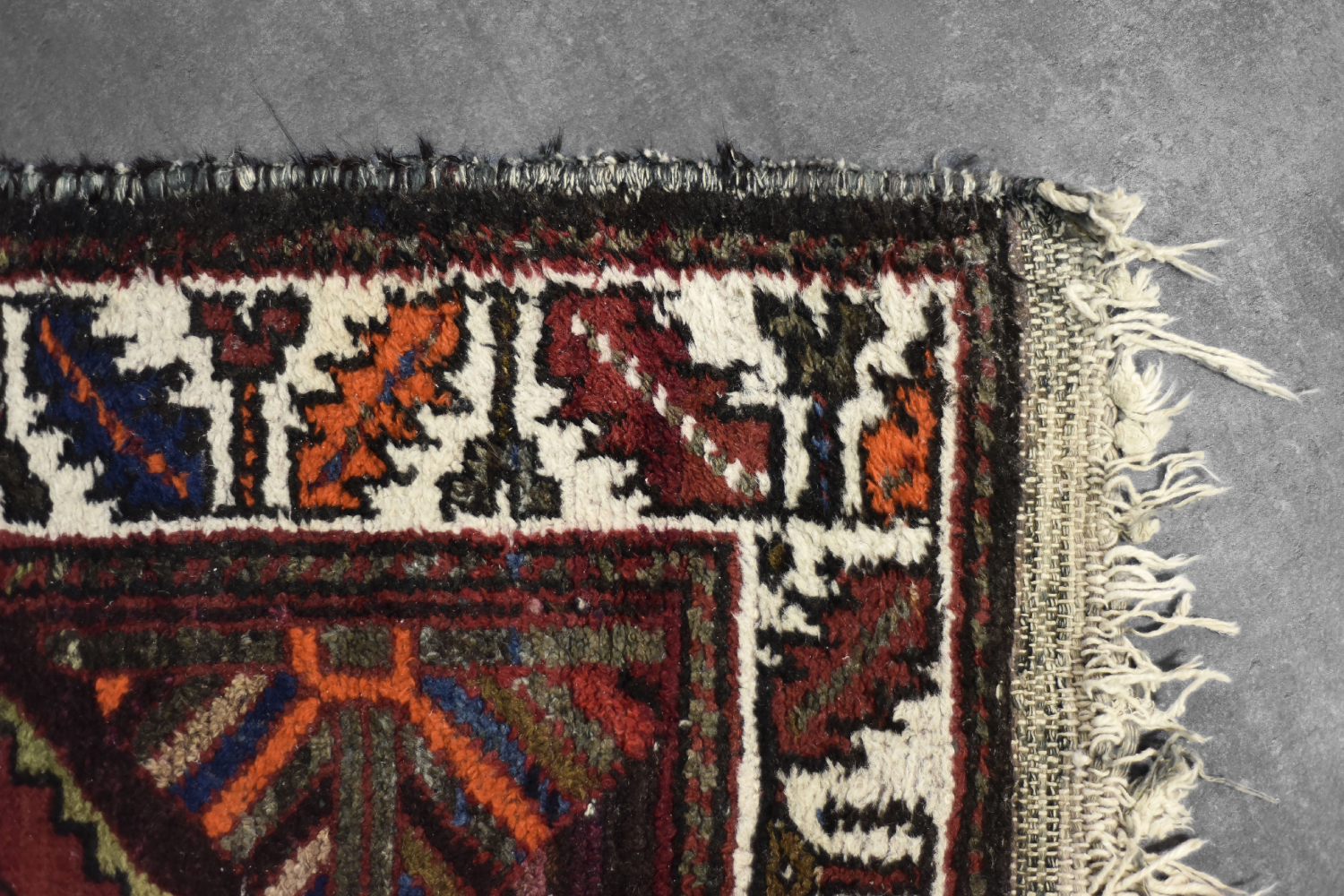
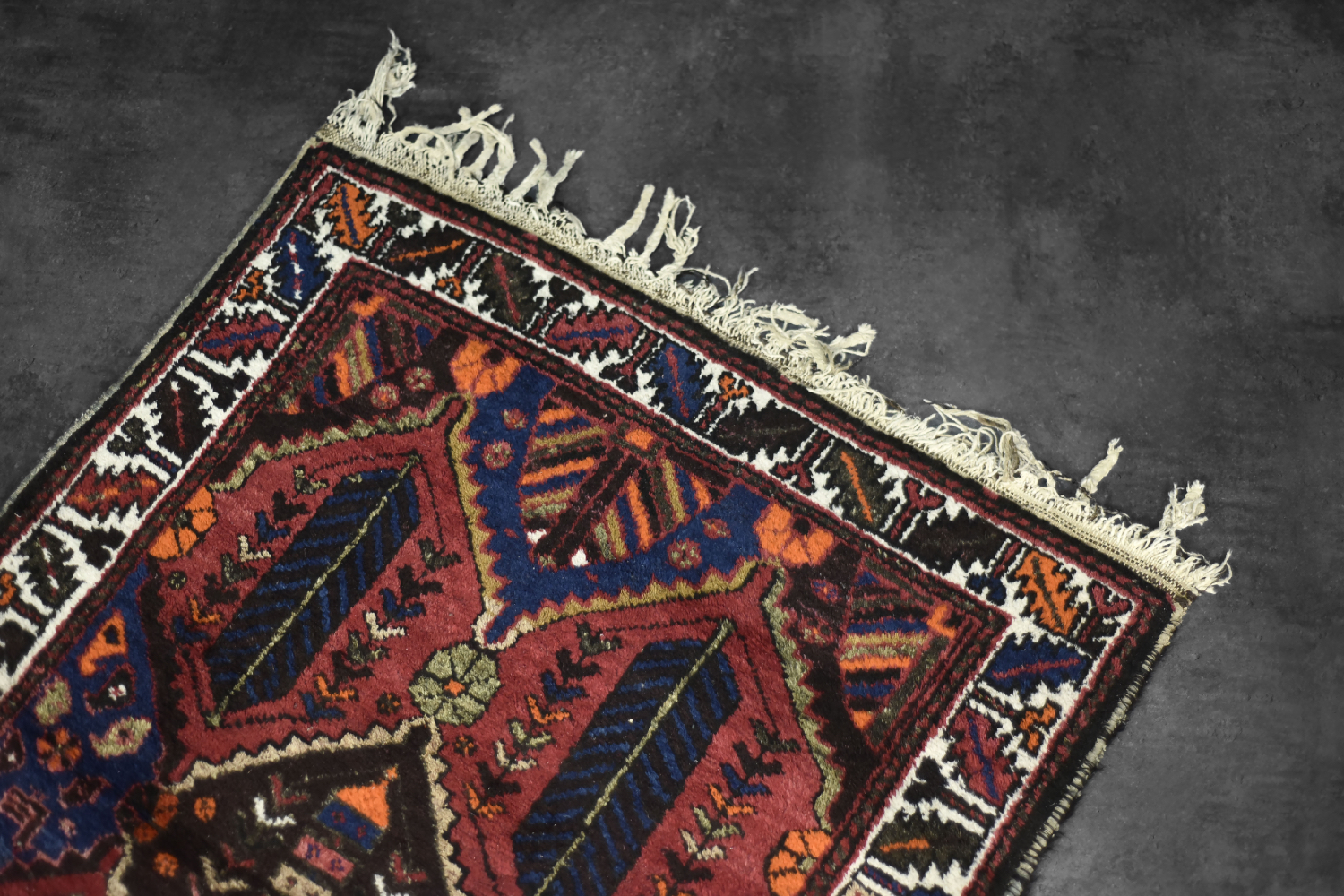
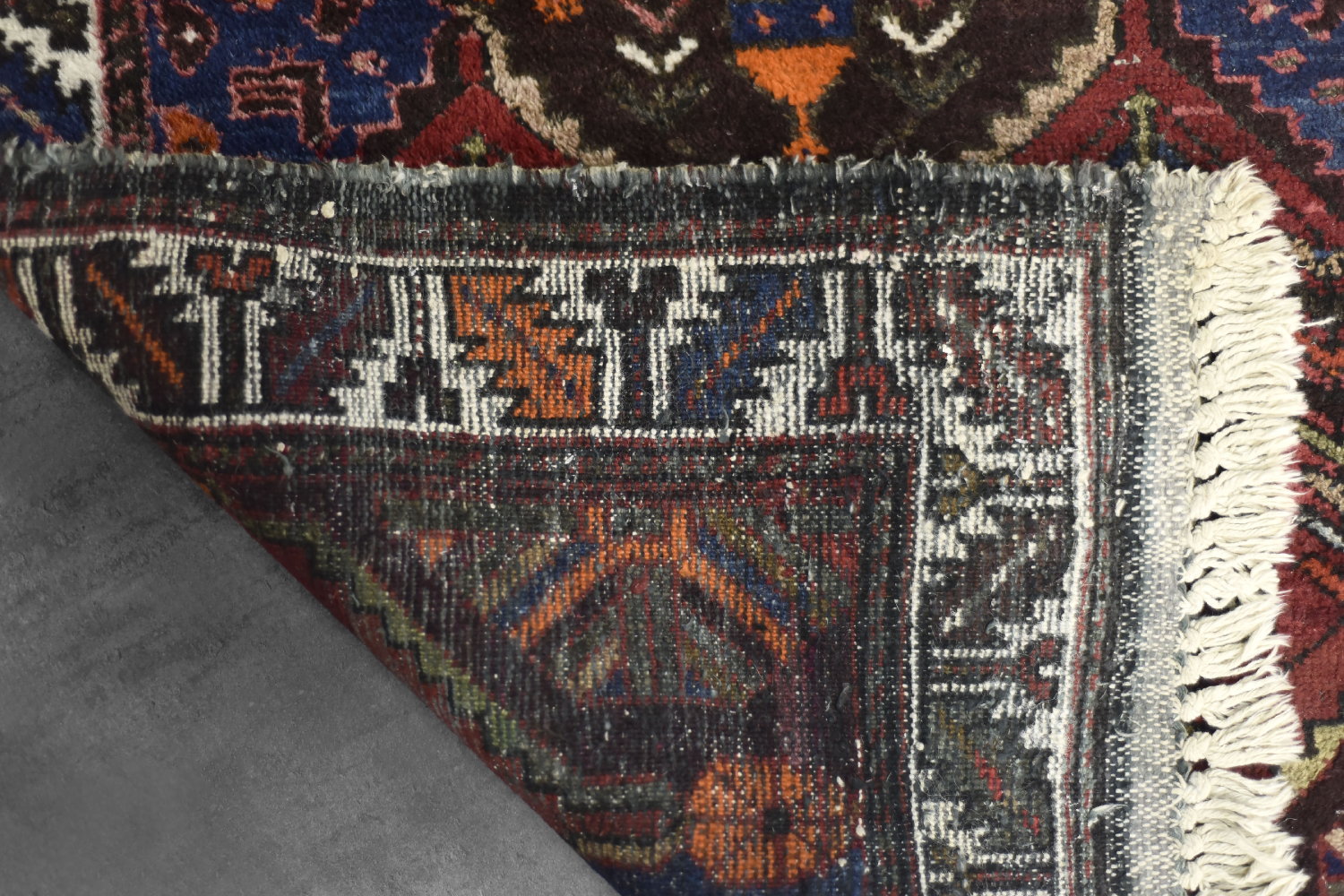
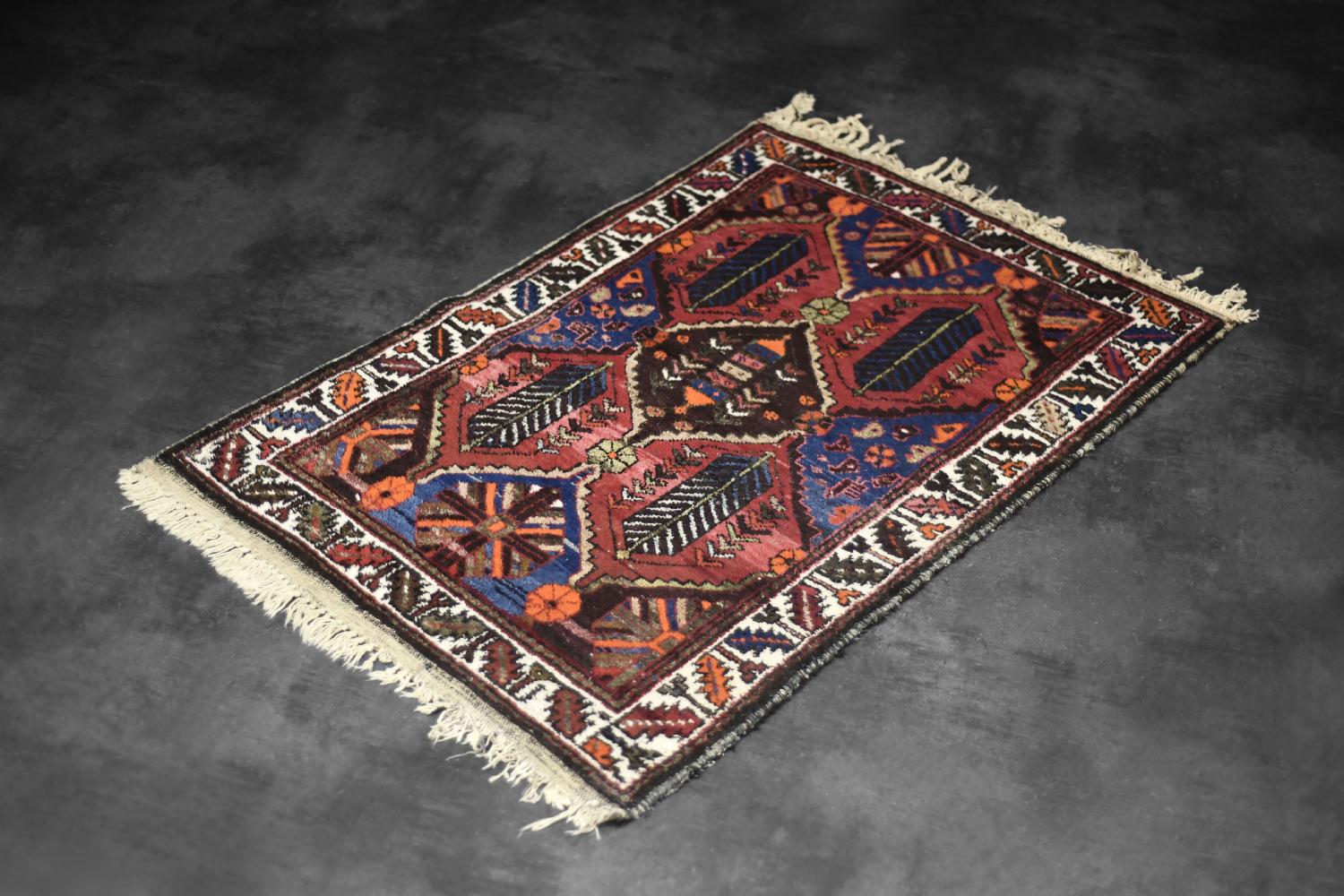
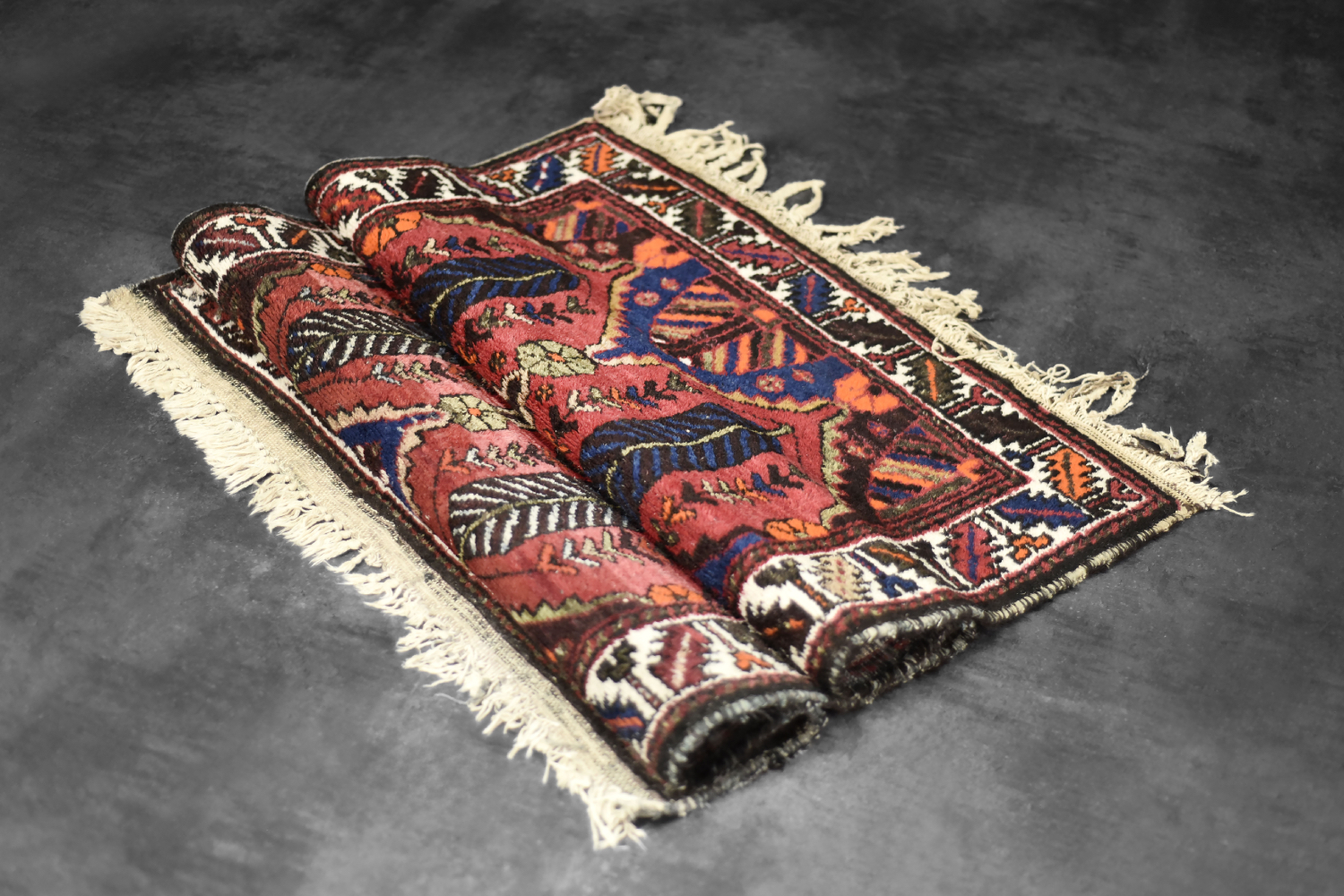
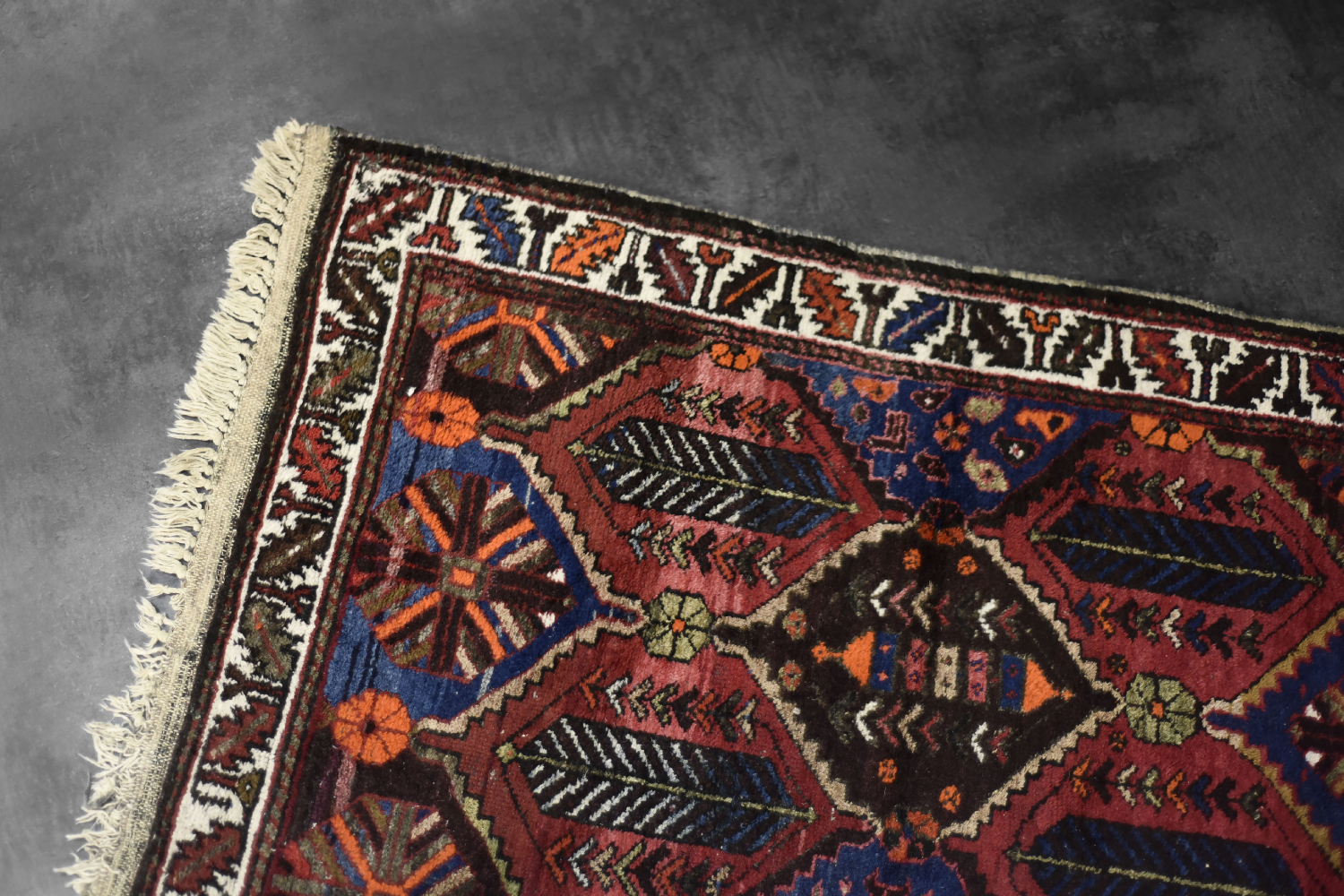
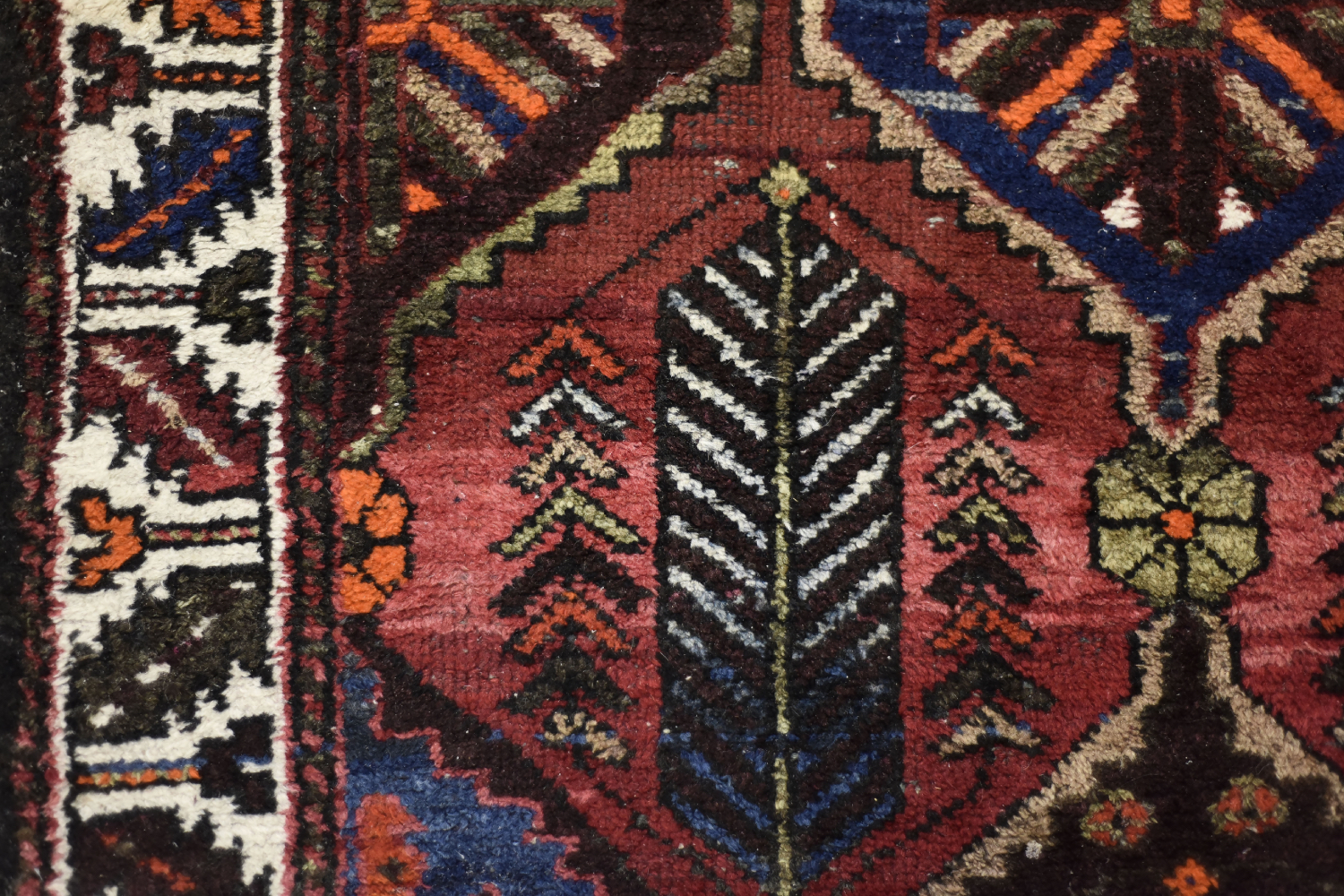
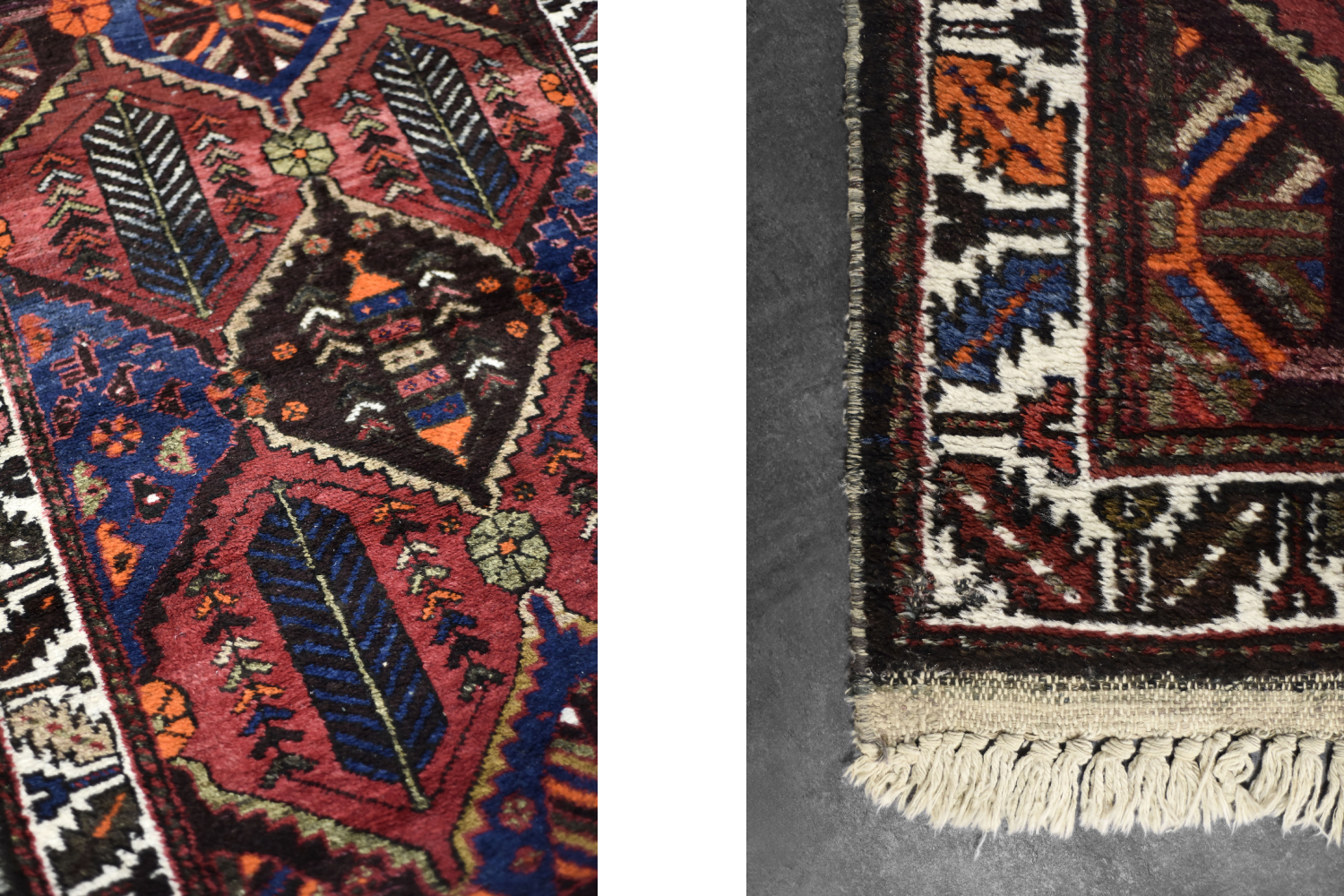
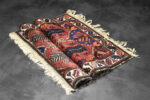
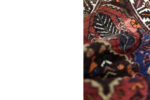
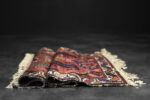
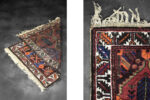
Hamadan Oriental Rug, Persia/Iran, 1960s

Description
Hamadan Oriental Rug, Persia/Iran, 1960s
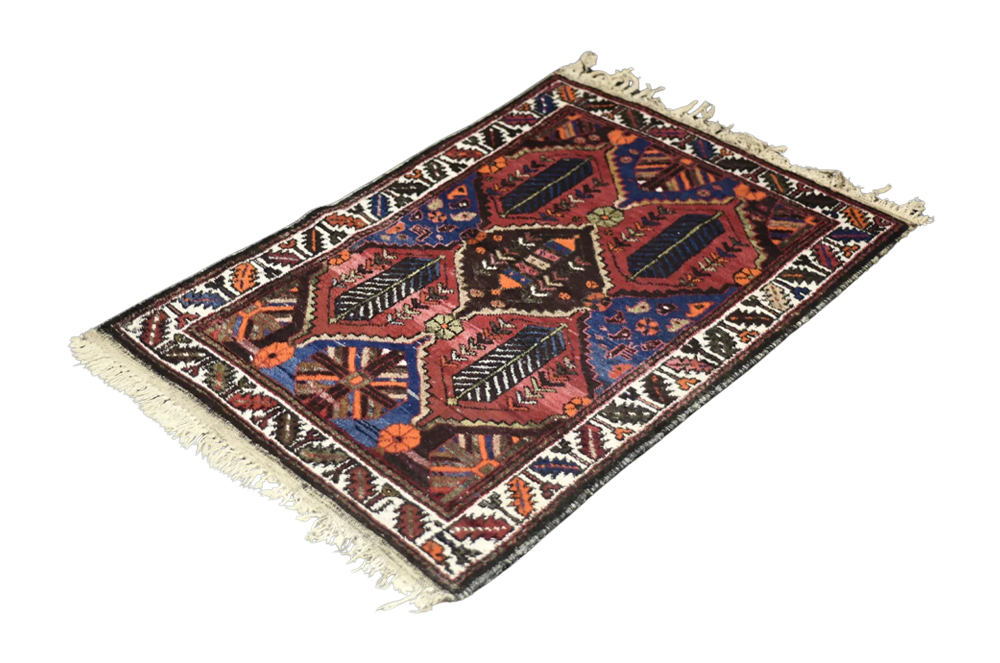
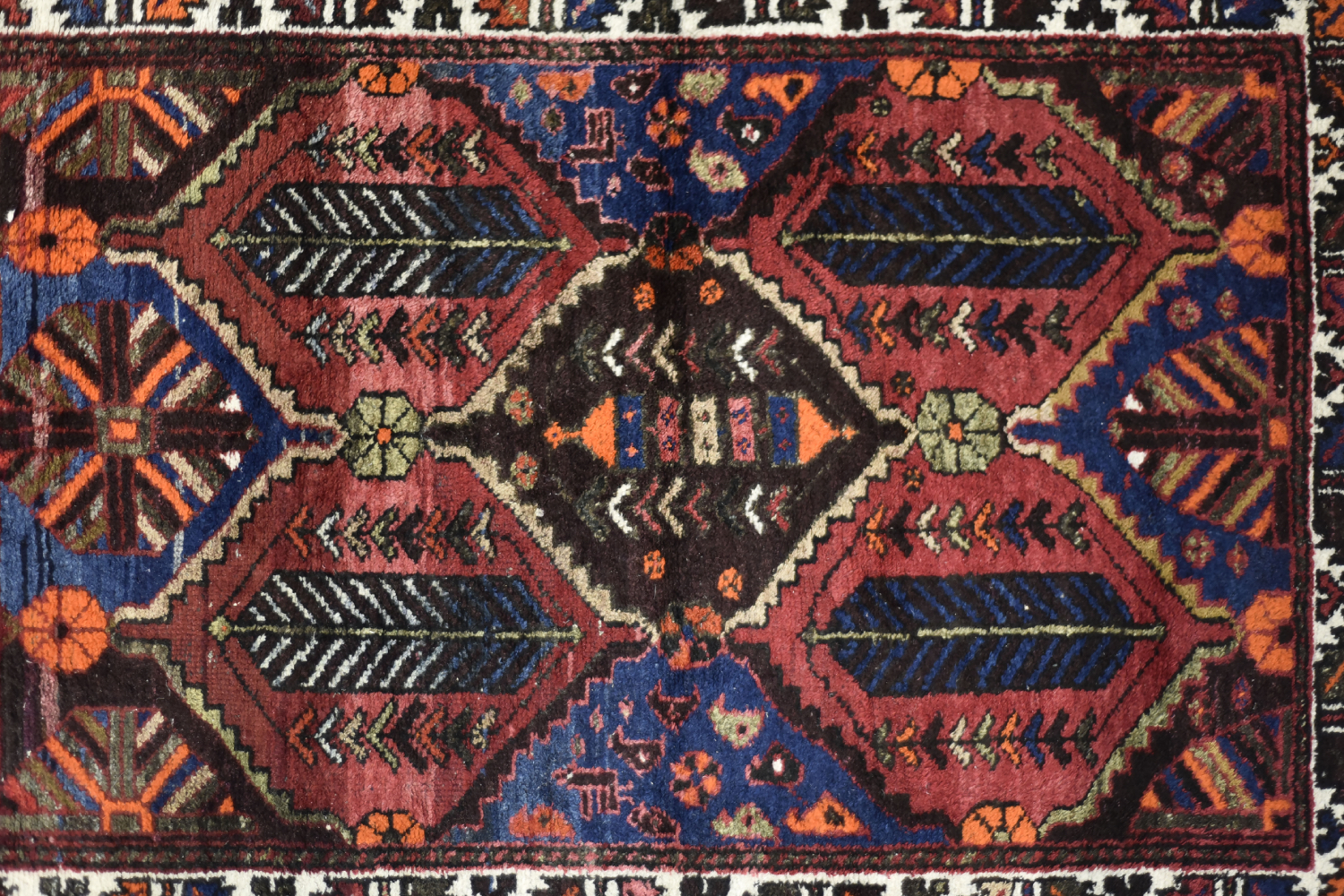
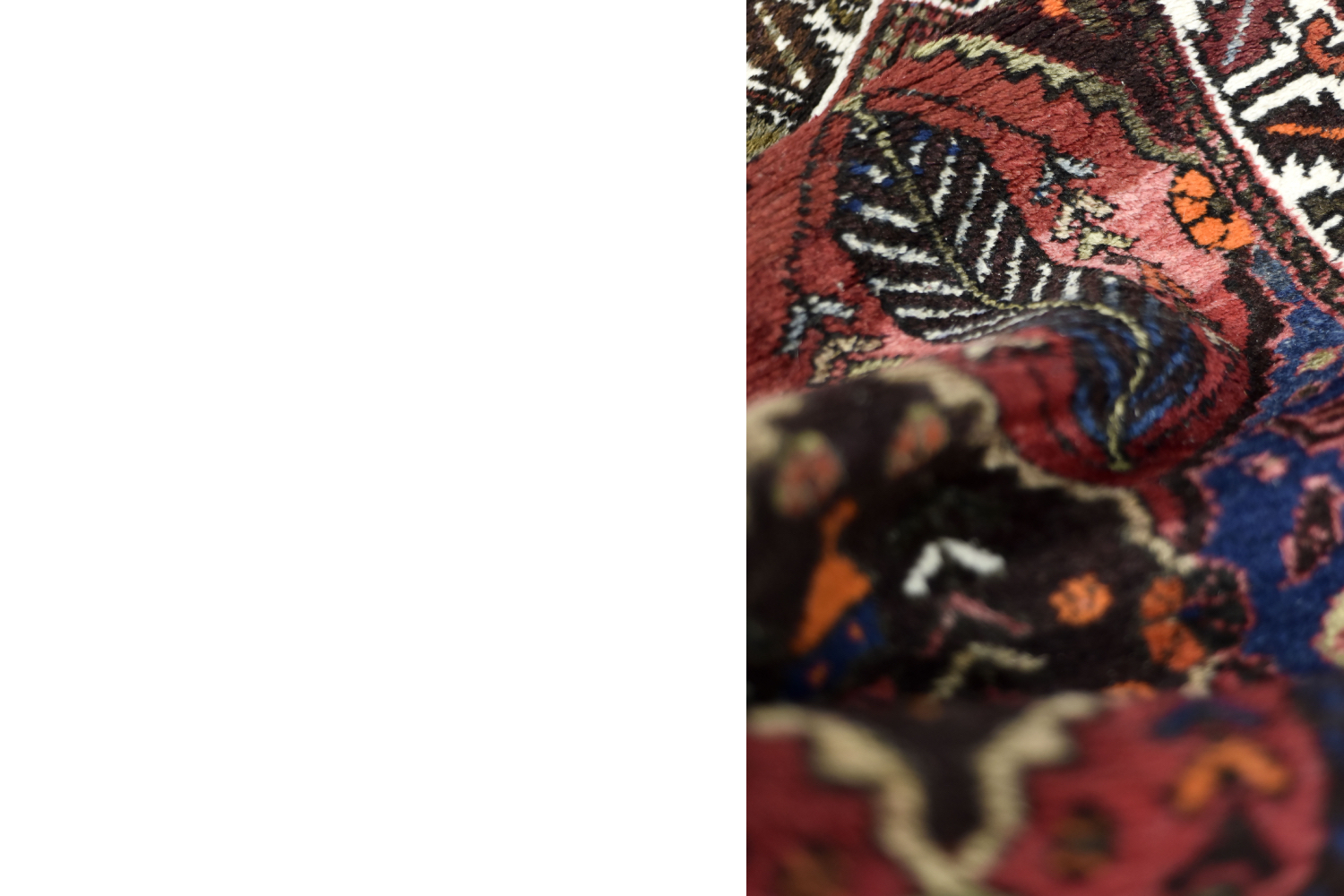
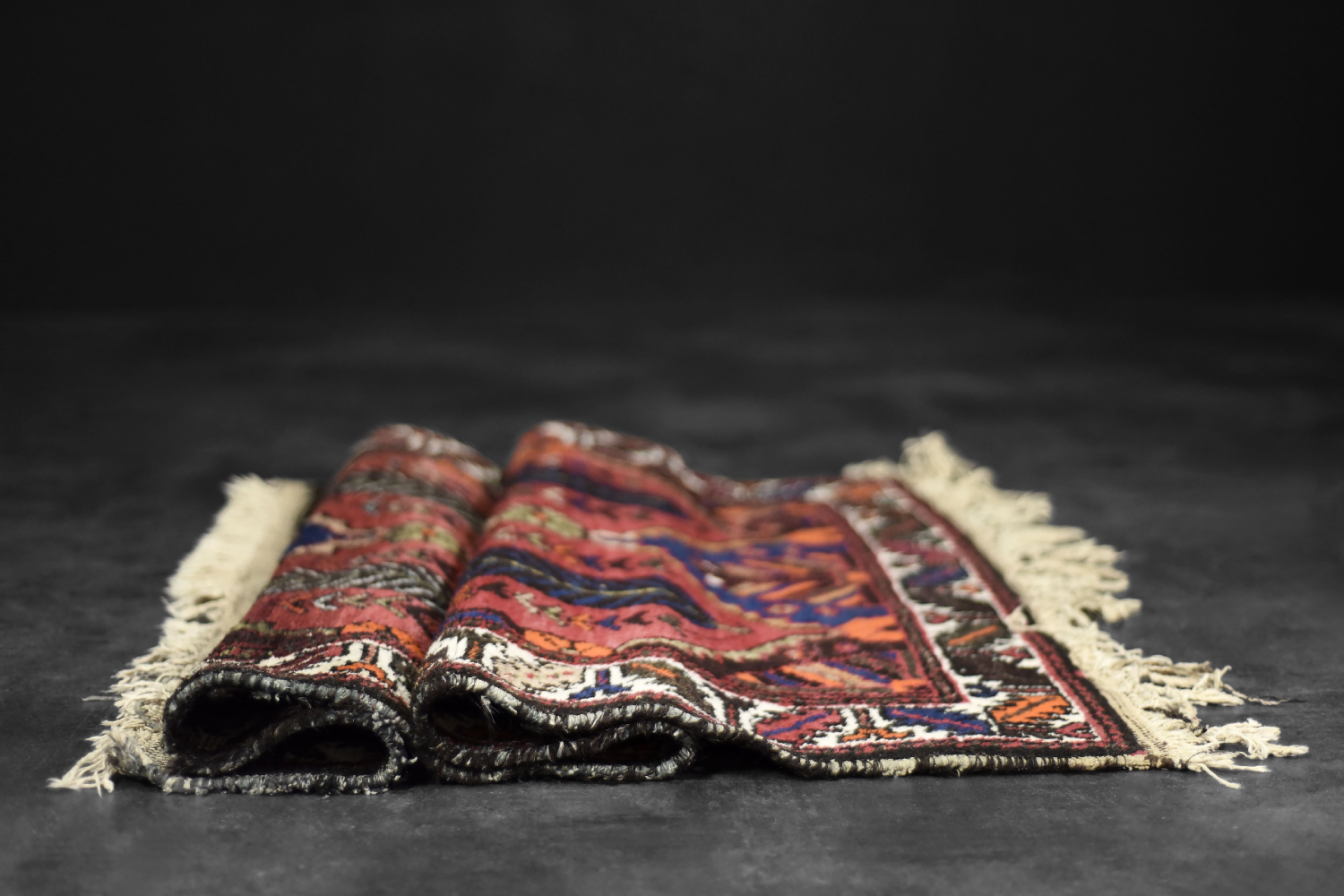
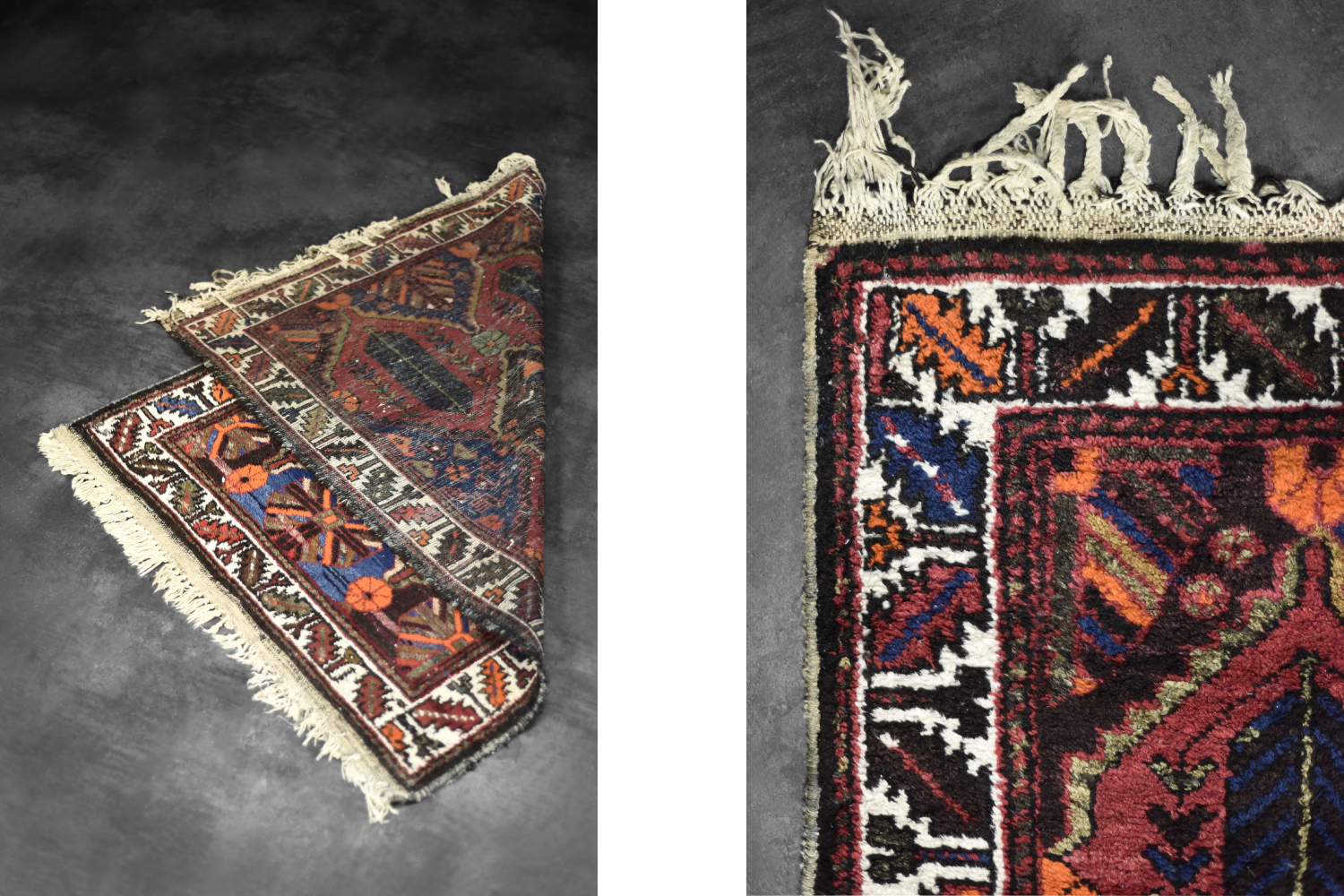
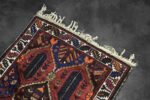
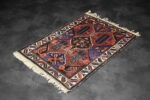
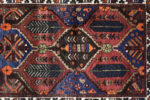
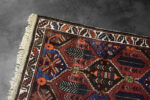
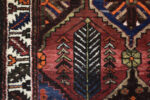
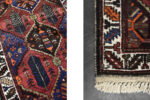
Handwoven Hamadan Oriental rug made in Iran in the 1960s. Traditionally flat-woven and dyed using naturally derived dyes. The rug features an original pattern inspired by the nomadic rug-weaving traditions of the Fars or Lori regions. It is striking for its intense colour palette, dominated by shades of red, navy blue, orange and white, while the rich geometric composition with leaf and rosette motifs makes it unique and eye-catching. This rug is ideal for boho, vintage, ethnic or modern interiors as a colourful accent. It can serve both a practical and decorative function, for example as a wall hanging.
Hamadan rugs are traditional, handwoven rugs originating from the Hamadan region of western Iran. This region is one of the oldest carpet-weaving centres in the world and encompasses many villages and towns, each with its own unique patterns and styles. Different types of rugs made in Iran are most often named after the regions and towns where they are produced, such as Hamadan, Kerman or Shiraz, or after the nomadic tribes involved in their production. They most commonly feature central medallions, geometric motifs and floral motifs. These designs are usually symmetrical. Some elements are more abstract, while others are inspired by traditional Persian motifs. Typical colours used in Hamadan rugs include reds, navy blues, shades of blue, brown, beige and ivory. The colours are usually vivid and intense, obtained from natural plant- and mineral-based dyes. The rugs are handwoven from wool, often on a cotton warp, which makes them durable and hard-wearing. These rugs typically have a medium knot density, giving them a sturdy structure. The Persian asymmetrical knot is often used, allowing greater precision and detail in the pattern. Hamadan rugs combine traditional craftsmanship with functionality, serving both as a beautiful decorative element and a practical addition to an interior. They bear witness to the rich history and culture of the region from which they originate. Hamadan rugs are popular on both local and international markets, valued for their durability, aesthetics and variety of patterns. The traditional art of Persian carpet weaving is part of Iran’s national cultural heritage. In 2010, the art of carpet weaving from Fars and Kashan was inscribed on UNESCO’s Intangible Cultural Heritage List. They are often chosen for both traditional and modern interiors.
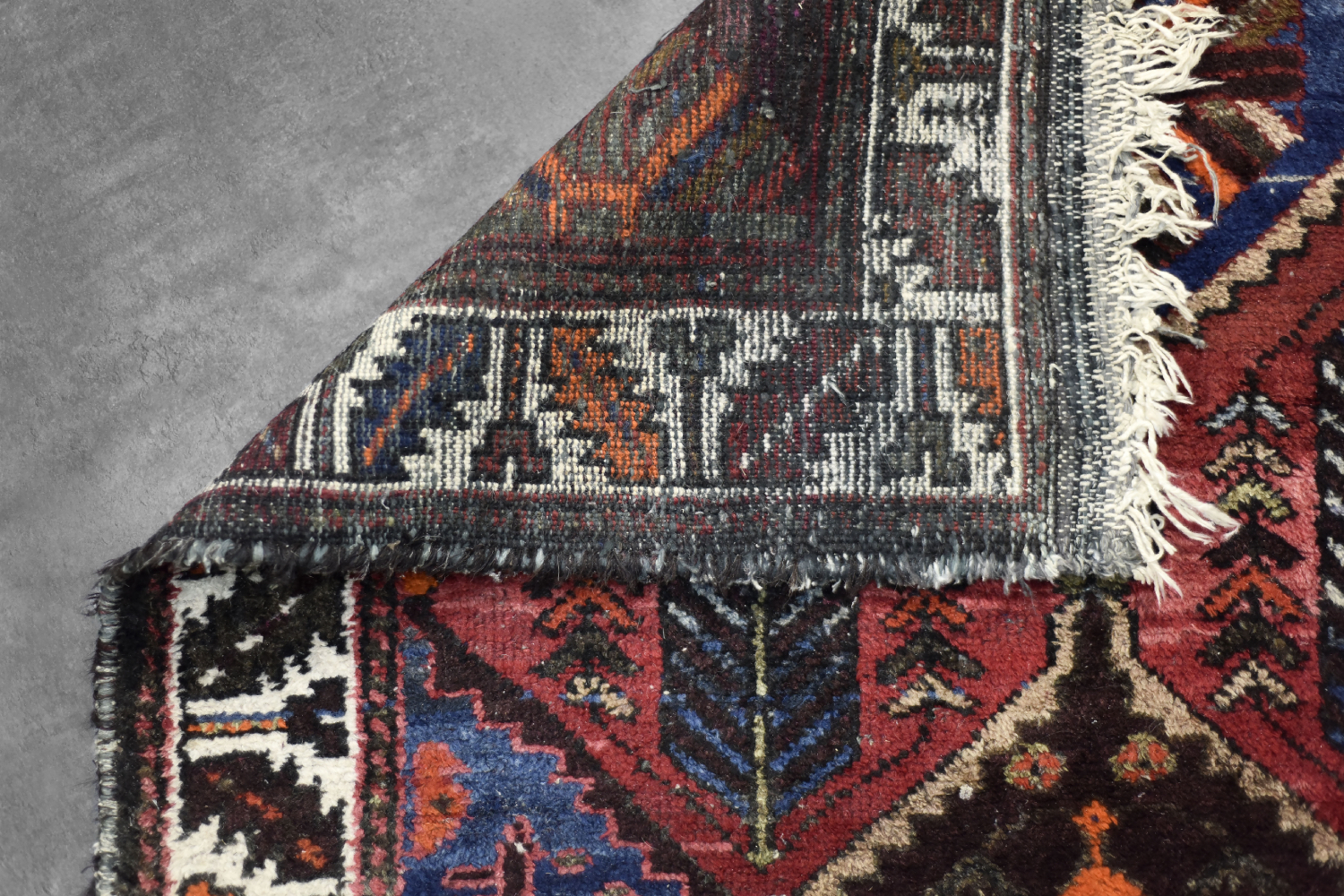
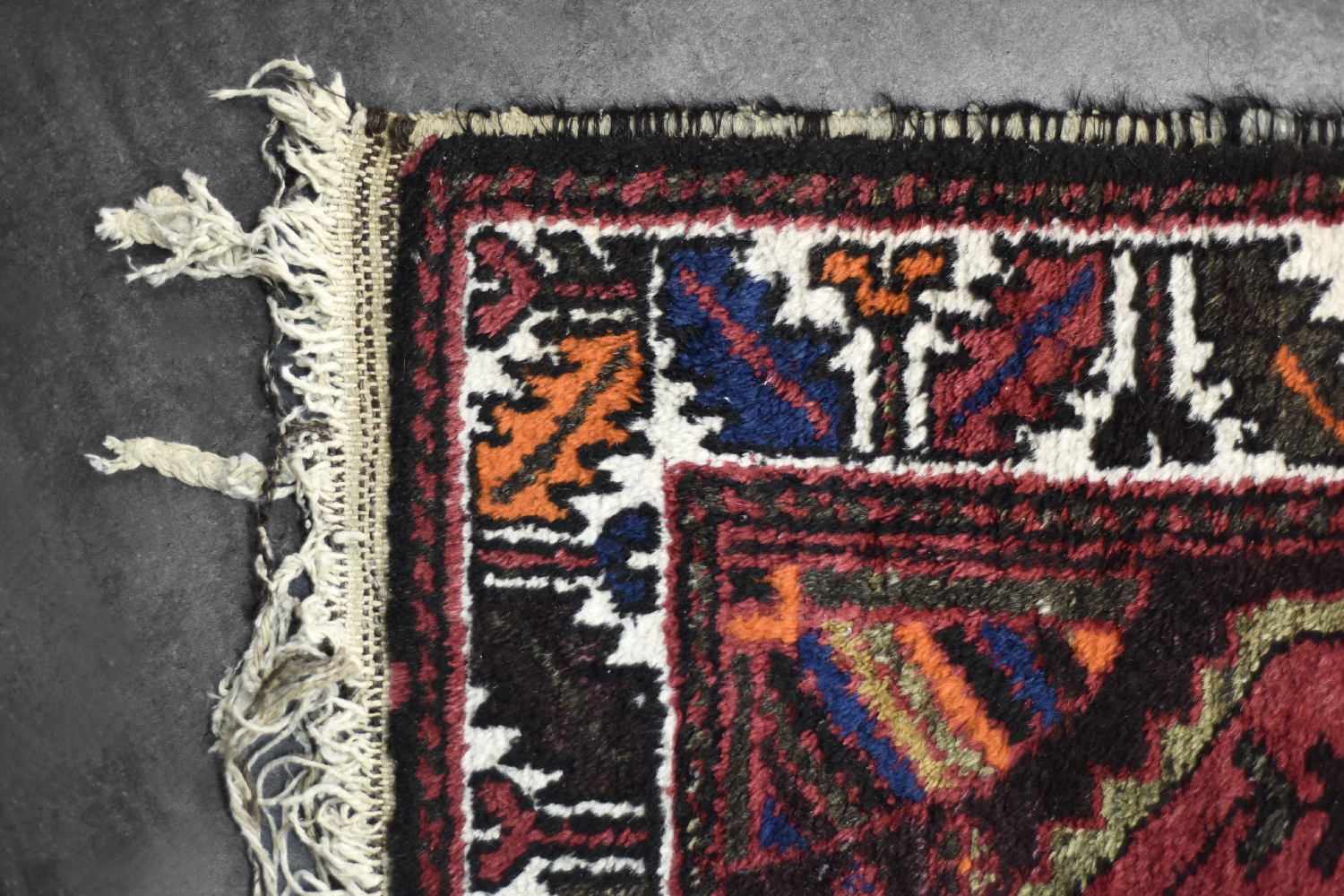
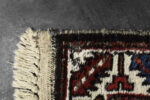
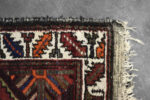
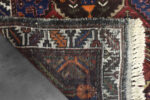
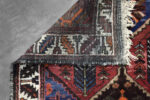
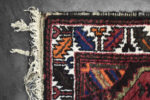
The rug is in its original vintage condition. It has age-related signs of wear, as well as minor losses to the fabric and fringes. Before dispatch, the rug will undergo professional cleaning and will be ready for use.
The rug displays an abrash effect. This is a phenomenon found in traditional handwoven rugs, characterised by subtle variations in shades of the same colour within a single textile. It is most commonly seen in Persian, Turkish, Caucasian and other rugs made by hand from natural materials such as wool or silk. Differences in colour may result from the use of natural dyes, which do not always produce a uniform effect, particularly when the wool was dyed in different batches or at different times. As wool ages, it may change colour to varying degrees, which also contributes to the abrash effect. Although this effect might be perceived as an imperfection, it is often valued by collectors and enthusiasts of traditional rugs because it adds unique character, attests to the authenticity of the handcraftsmanship and enhances the value of the rugs.
Product information
| Condition | Original - Good [The item shows signs of normal use and material ageing] |
|---|---|
| Country of origin | Asia |
| Years of production | 1960-1969 |
| Style | Oriental |
| Materials | Wool |
| Colour | Multicoloured, Colourless |
Dimensions
| Width | 171 cm |
|---|---|
| Depth | 104 cm |
| Height | 1 cm |
We ship worldwide. International shipping cost is calculated at checkout.
Delivery cost within Poland: 45,00 zł
Estimated delivery time: Within a week