






out
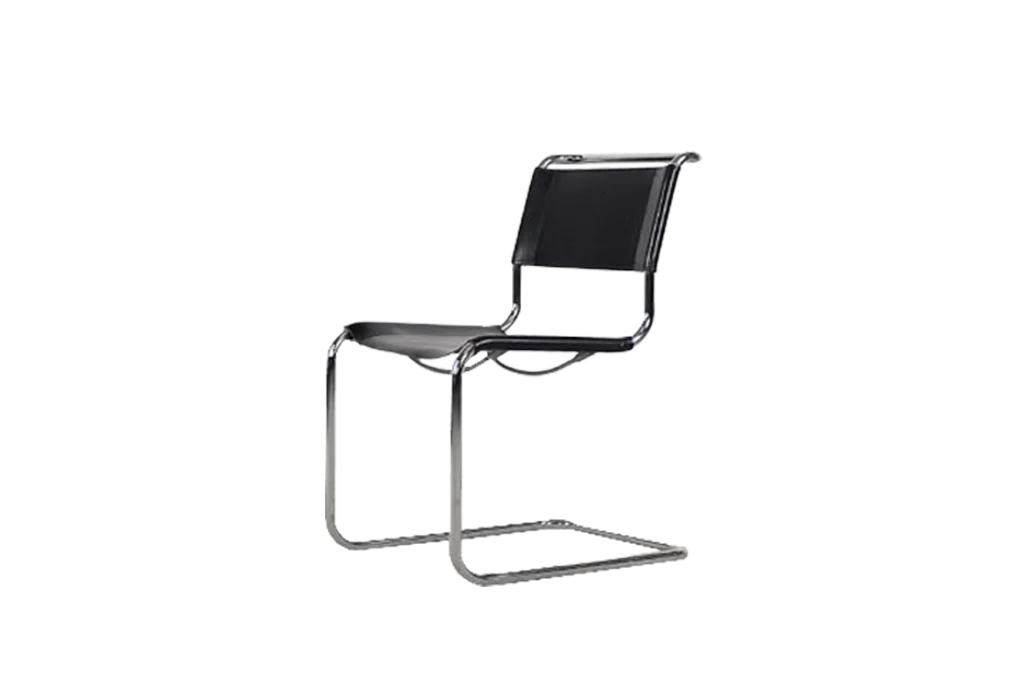
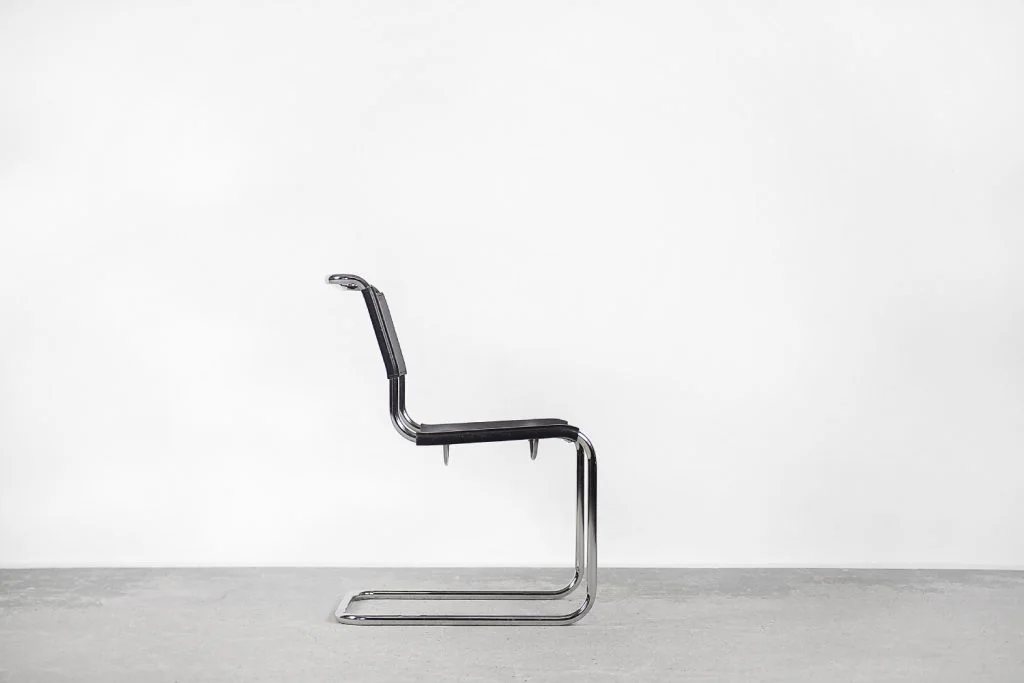
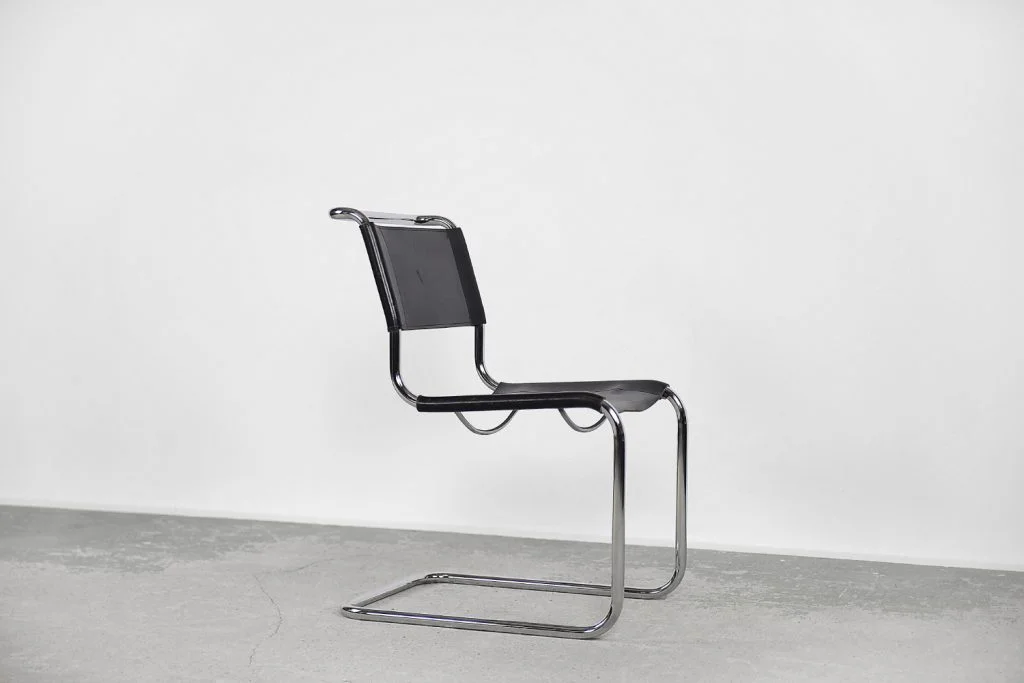
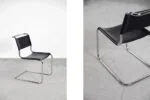
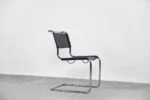
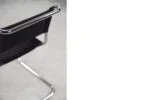
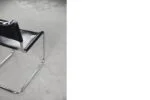
S33 Chair, designed by Mart Stam, Thonet, Germany, 1960s

Description
S33 Chair, designed by Mart Stam, Thonet, Germany, 1960s
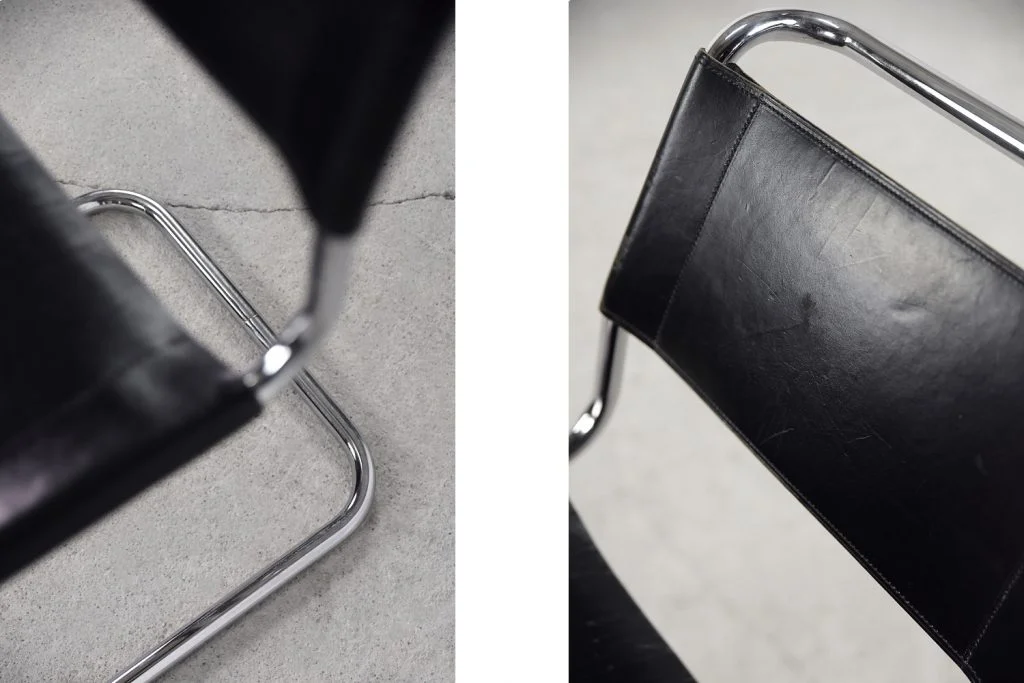
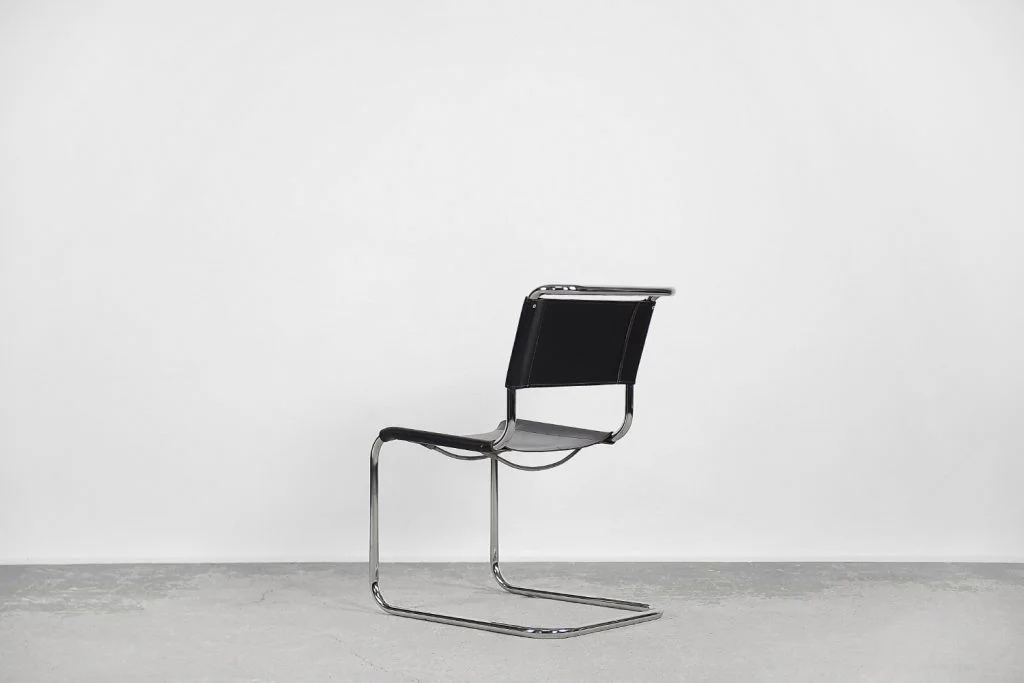
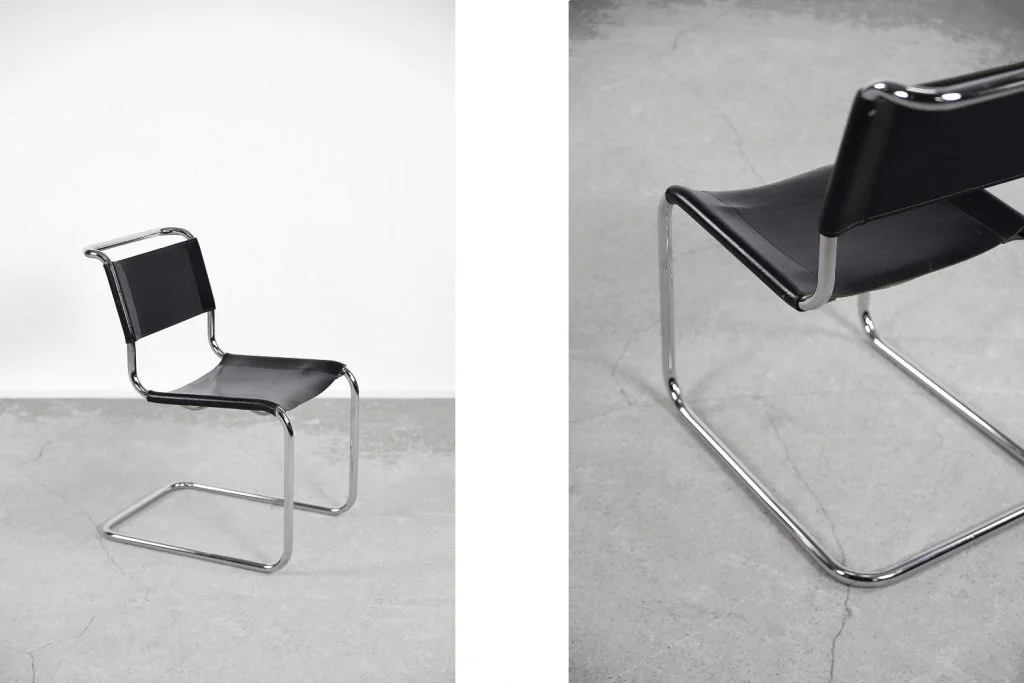
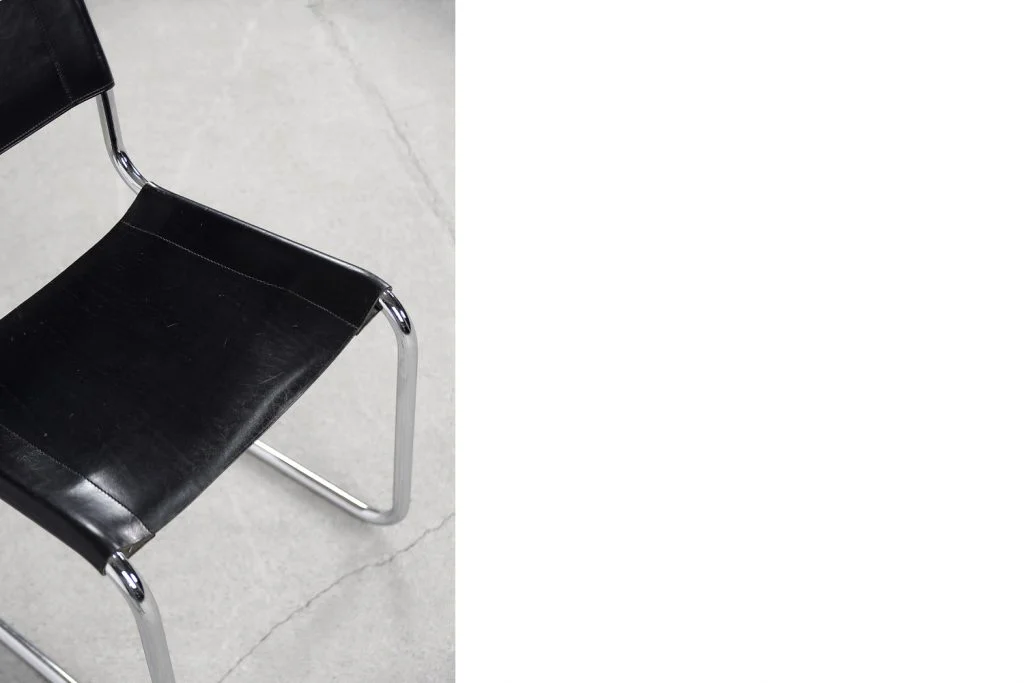
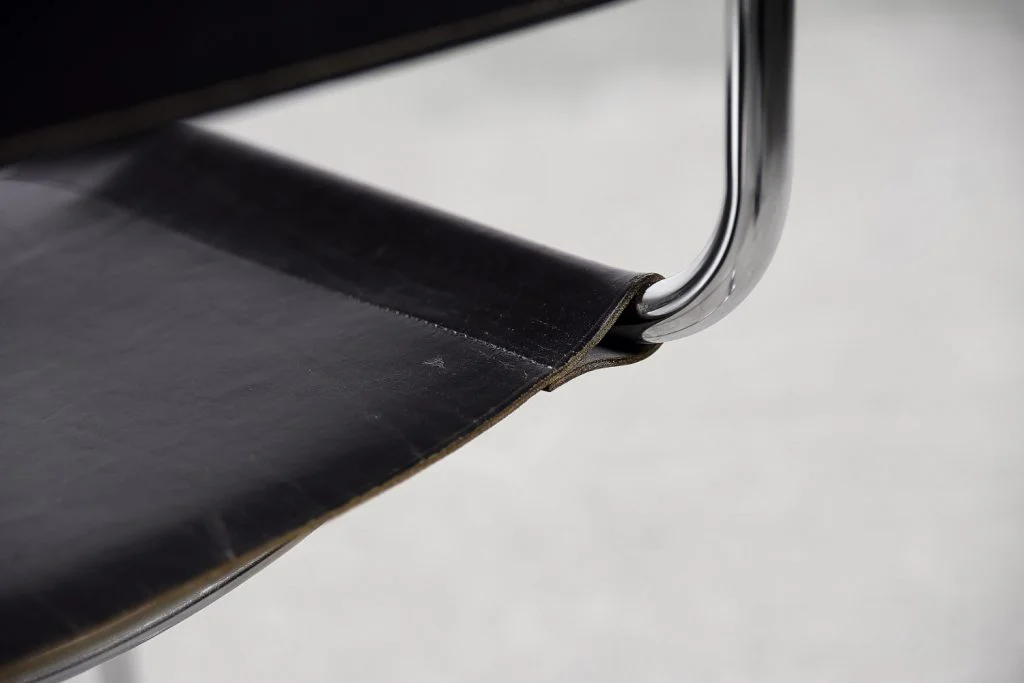
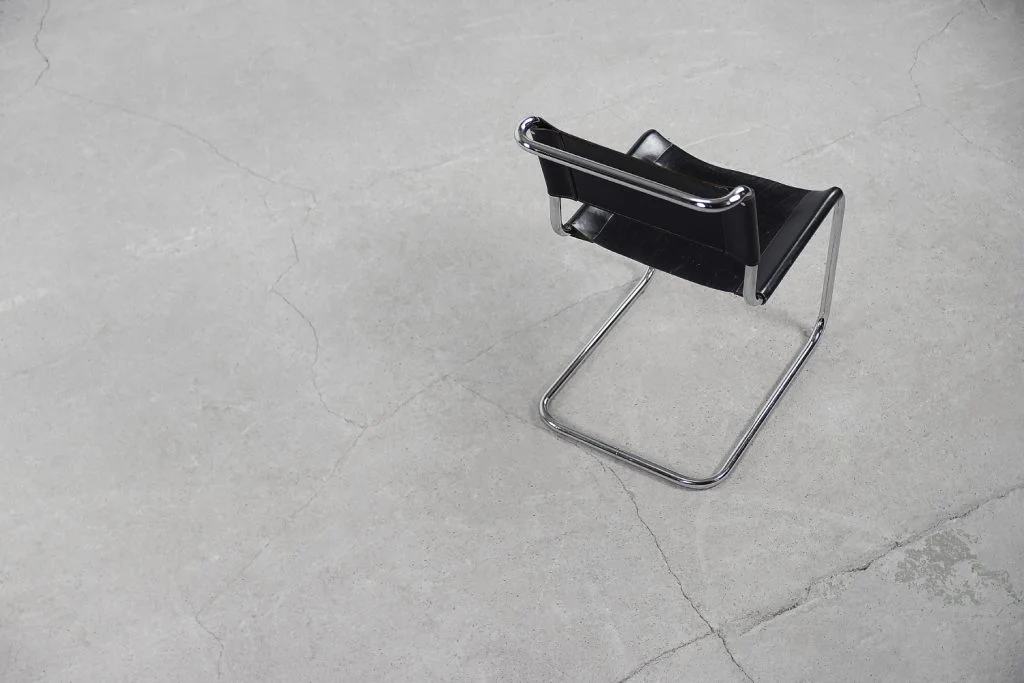
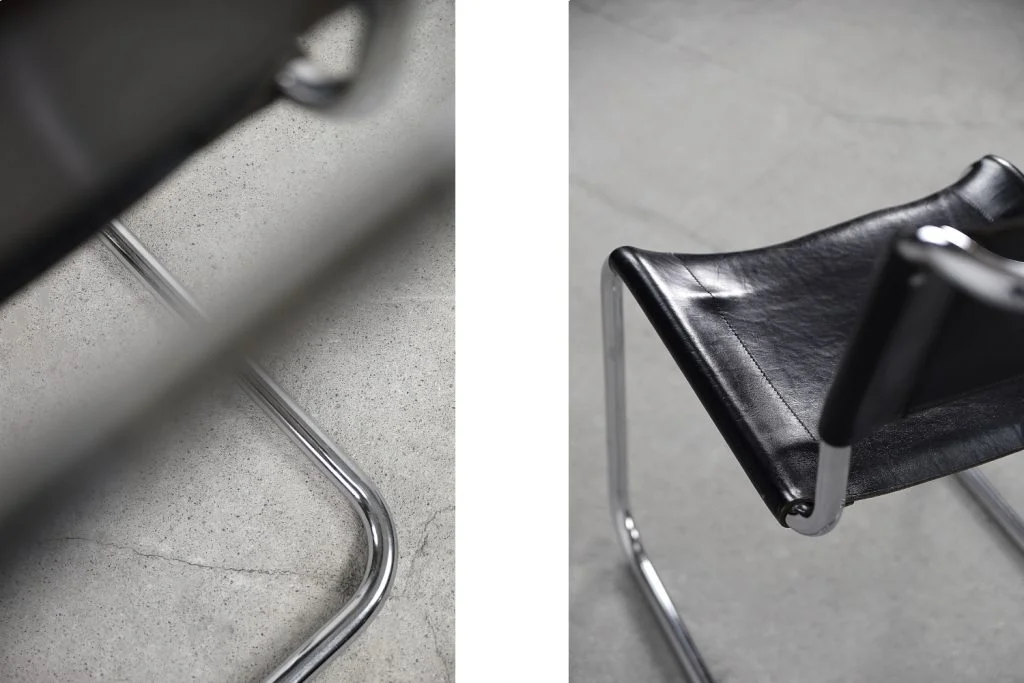
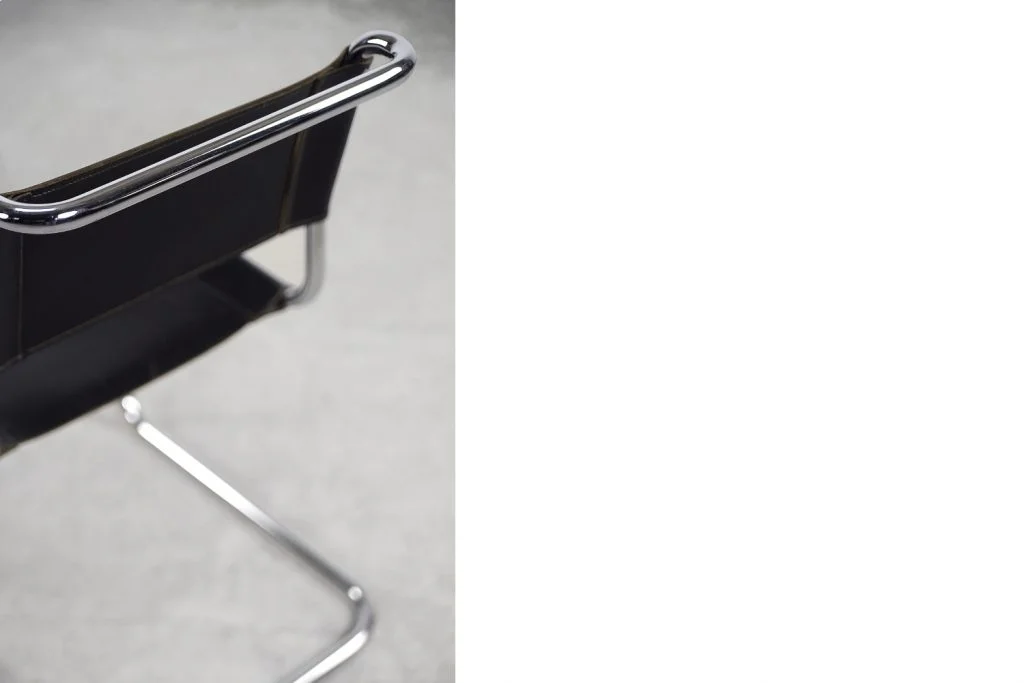
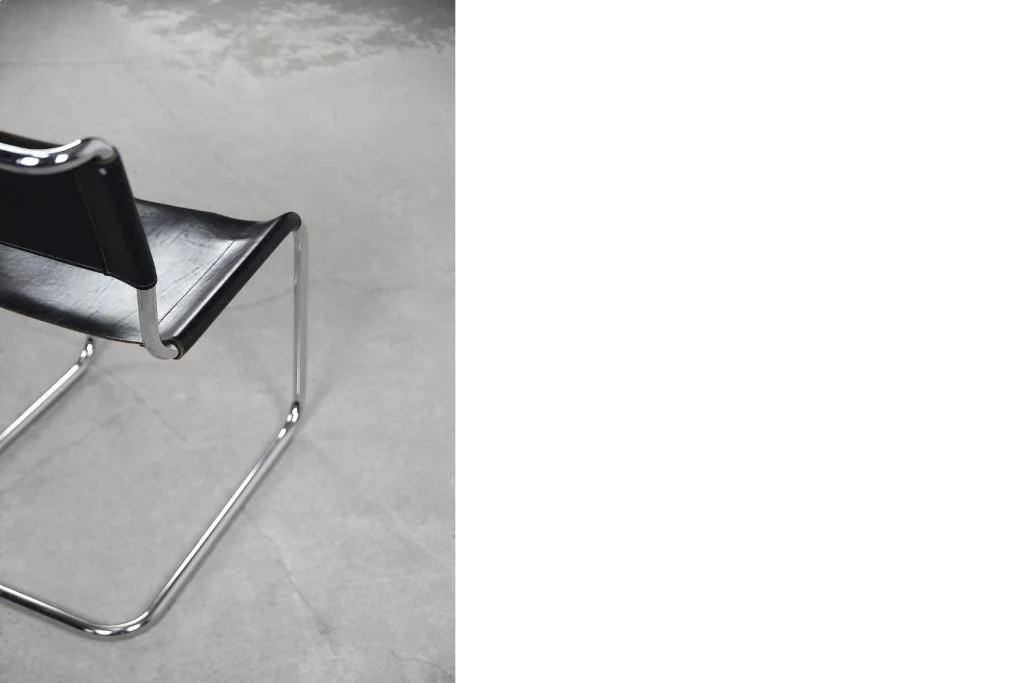
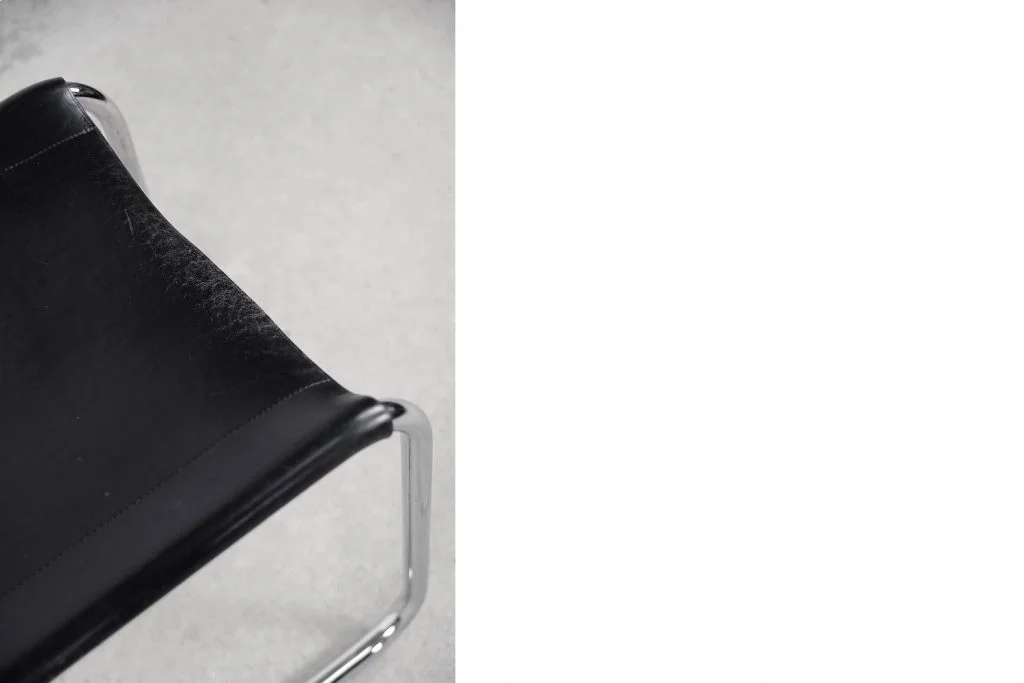
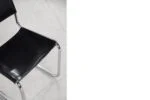
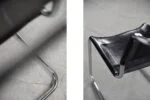
The S33 chair by Mart Stam is a design icon dating from 1926. It was produced by the German manufacturer Thonet. Our example dates from the 1960s. It is the first cantilever chair in history. Mart Stam experimented with gas pipes, joining them with flanges, and developed a chair form that no longer rested on four legs. In this way, he created a structural principle that became an important element in the history of modern furniture design. The chair is made of chromed tubular steel, with black natural leather stretched over it. The chair combines the spirit of the Bauhaus school with an awareness of tradition. Why four legs when two are enough— wrote the artist Kurt Schwitters in 1927, when he saw the first cantilever chairs in history. The S33 chair is a true chef-d’oeuvre among all designs. Underneath, there is a trace of an affixed maker’s mark. Unfortunately, the mark itself has not survived.
Mart Stam was a Dutch architect, urban planner and furniture designer. His career coincided with important moments in the history of 20th-century European architecture. He is credited with part of the design of the Van Nelle Factory in Rotterdam, built between 1926 and 1930. This coffee and tea factory remains a monumental example of early modernist industrial architecture. New research indicates that Stam was inspired by the cantilevered tubular-steel seat fitted to the two-door Tatra T12 saloon of 1926. Ludwig Mies van der Rohe learned of Stam’s work on the chair while planning the Weissenhof Estate and mentioned it to Marcel Breuer. This led to variations on the cantilevered steel chair and launched an entire genre of design. At the end of the 1920s, Breuer and Stam were involved in patent proceedings in German courts, both claiming to be the inventors of the fundamental design principle behind cantilever chairs. Stam won the case. In the United States, Breuer assigned the rights to his designs to Knoll; as a result, an identical chair can be found attributed to Stam in Europe and to Breuer in the USA
Mart Stam designed a house for the 1927 Weissenhof Estate, a permanent housing project developed and presented at the Die Wohnung exhibition, organized by Deutscher Werkbund in Stuttgart. This placed him in the company of the crème de la crème of the architectural world at the time: Le Corbusier, Peter Behrens, Bruno Taut, Hans Poelzig and Walter Gropius.
Thonet is the oldest furniture company still in existence in the world. It began its long history in 1819, when the cabinetmaker Michael Thonet founded a furniture workshop in Boppard, Germany. A proponent of the Biedermeier style, he specialized in chairs, tables and cabinets characterized by clean lines, restrained ornamentation and an emphasis on functionalist principles. In the 1830s, Thonet’s experiments with furniture made from laminated and steam-bent wood, such as his famous Boppard chair (1836), brought international recognition. Thonet’s designs achieved unprecedented lightness, durability and comfort for European furniture of the time. Iconic works in Thonet’s collection include: rocking chair No. 1 (1860), café chair No. 14 (c. 1859), Adolf Loos’s Café Museum chair (1899), armchair No. 209 (c. 1900), Otto Wagner’s No. 247 armchair for the Postal Savings Bank (1904) and Josef Hoffmann’s No. 811 (1925). In the early 20th century, Gebrüder Thonet also began producing designs in bent tubular steel by Bauhaus masters such as Marcel Breuer, Ludwig Mies van der Rohe and Mart Stam.
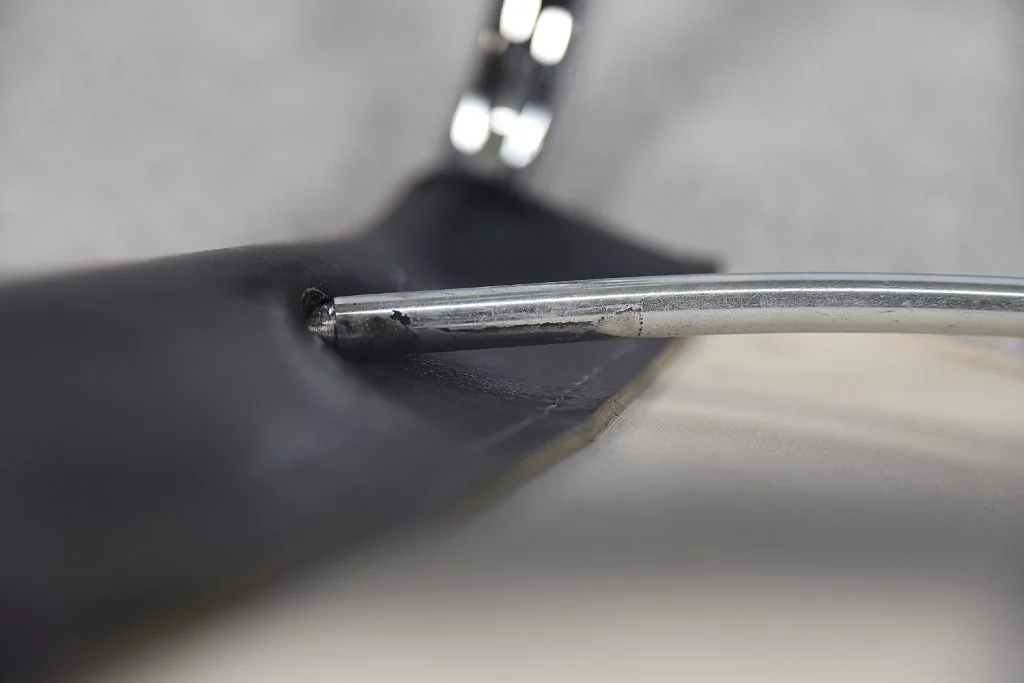
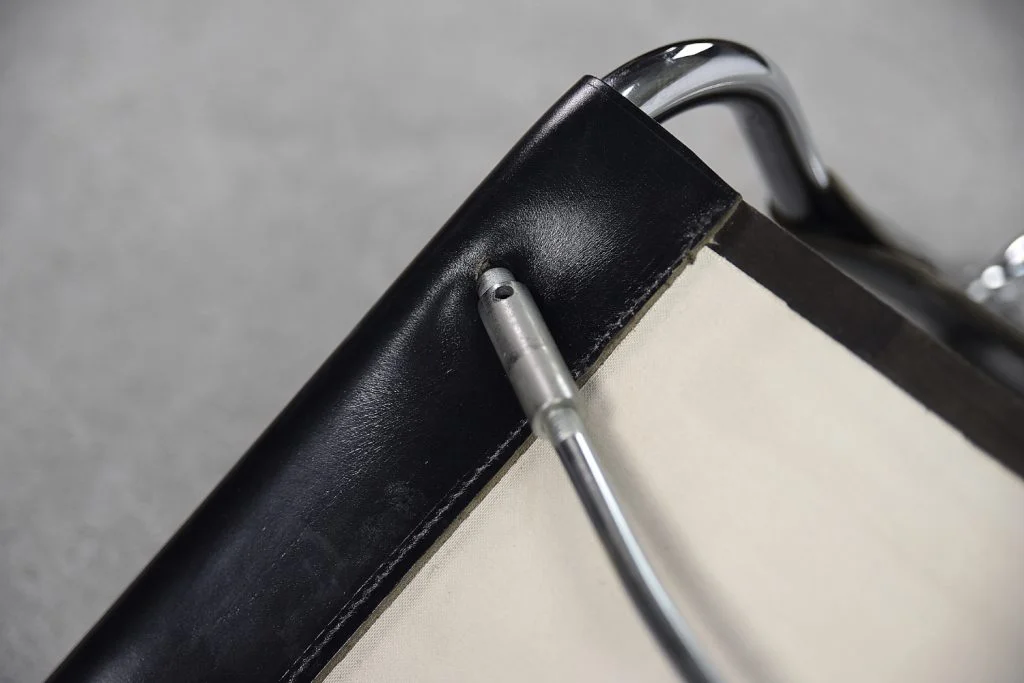
The chair is in original vintage condition. It has minor scuffs on the leather and a natural patina. The seat height is 43 cm.
Dimensions
| Width | 60 cm |
|---|---|
| Depth | 49 cm |
| Height | 85 cm |
| Seat height | 43 cm |
We ship worldwide. International shipping cost is calculated at checkout.
Delivery cost within Poland: 45,97 €
Estimated delivery time: Up to one week