Manufacturer · Germany · Blankenhain · 1790–2018
Weimar Porzellan
Weimar Porzellan – porcelain manufactory in Blankenhain, Thuringia, operating from 1790 to 2018; Weimar Porzellan mark registered in 1928.
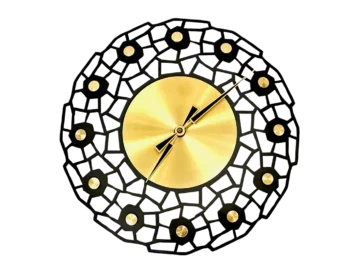
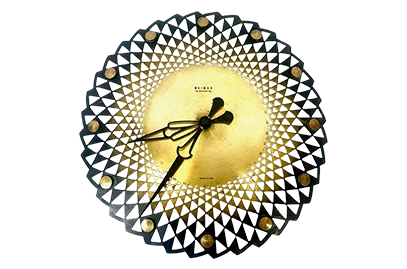
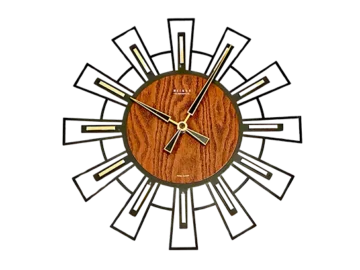
Sunburst wall clock, Weimar, Germany, 1960s
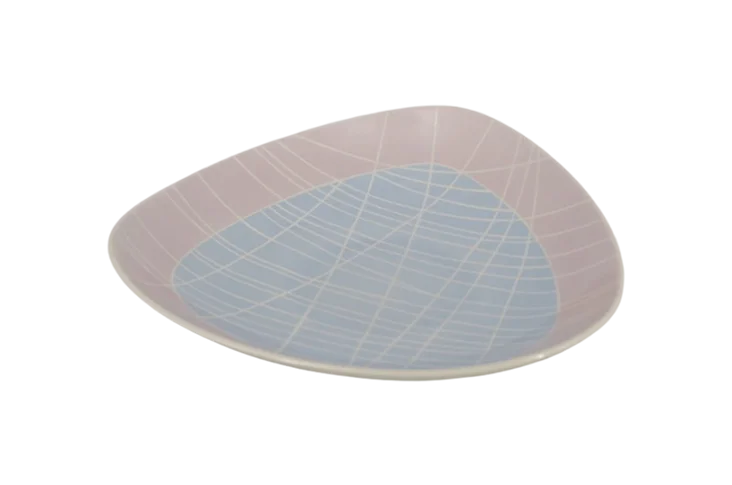
Porcelain plate, Weimar Porzellan, Germany, 1970s
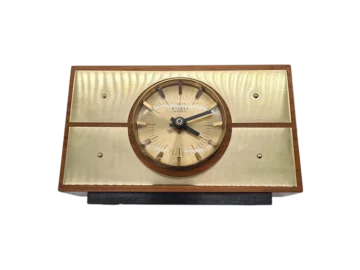
Modernist Table Clock by Weimar Quartz, Germany, 1970s
About the manufacturer
- Years active
- 1790–2018
- Country
- Germany
- Location
- Blankenhain
The Blankenhain manufactory was founded in 1790 by Christian Andreas Speck. In 1917, Ernst Carstens bought it from the Czech company Duxer Porzellanmanufaktur AG (Royal Dux) and ran it as E. Carstens KG. In 1926, the first cobalt porcelain was created, and in 1928 the Weimar Porzellan mark was registered. In the 1930s, Eva Zeisel worked for Carstens.
In 1948, the plant was nationalised and incorporated into Kombinat Feinkeramik Kahla. After German reunification, it changed owners several times; following bankruptcy in 1995 and subsequent takeovers, from 2007 it belonged to the Könitz Porzellan group.
As VEB Weimar-Porzellan Blankenhain (from 18 July 1948), the plant manufactured domestic porcelain, exported mainly to eastern markets. In 1992, the company Weimar Porzellan GmbH was established and acquired by Hillebrand. The manufactory closed on 31 December 2018.