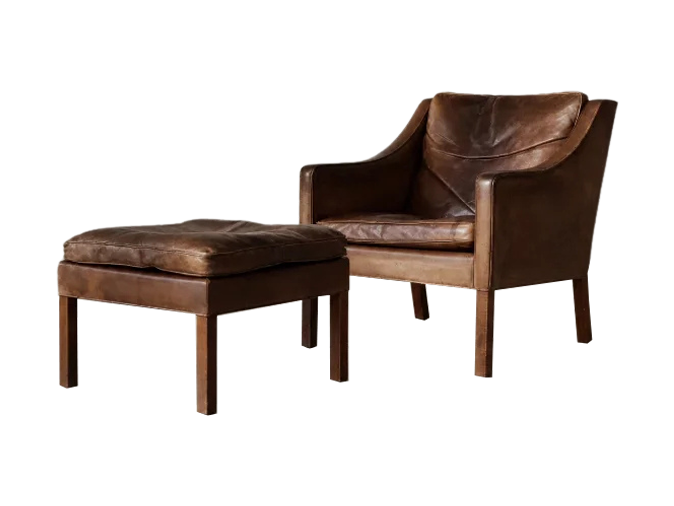
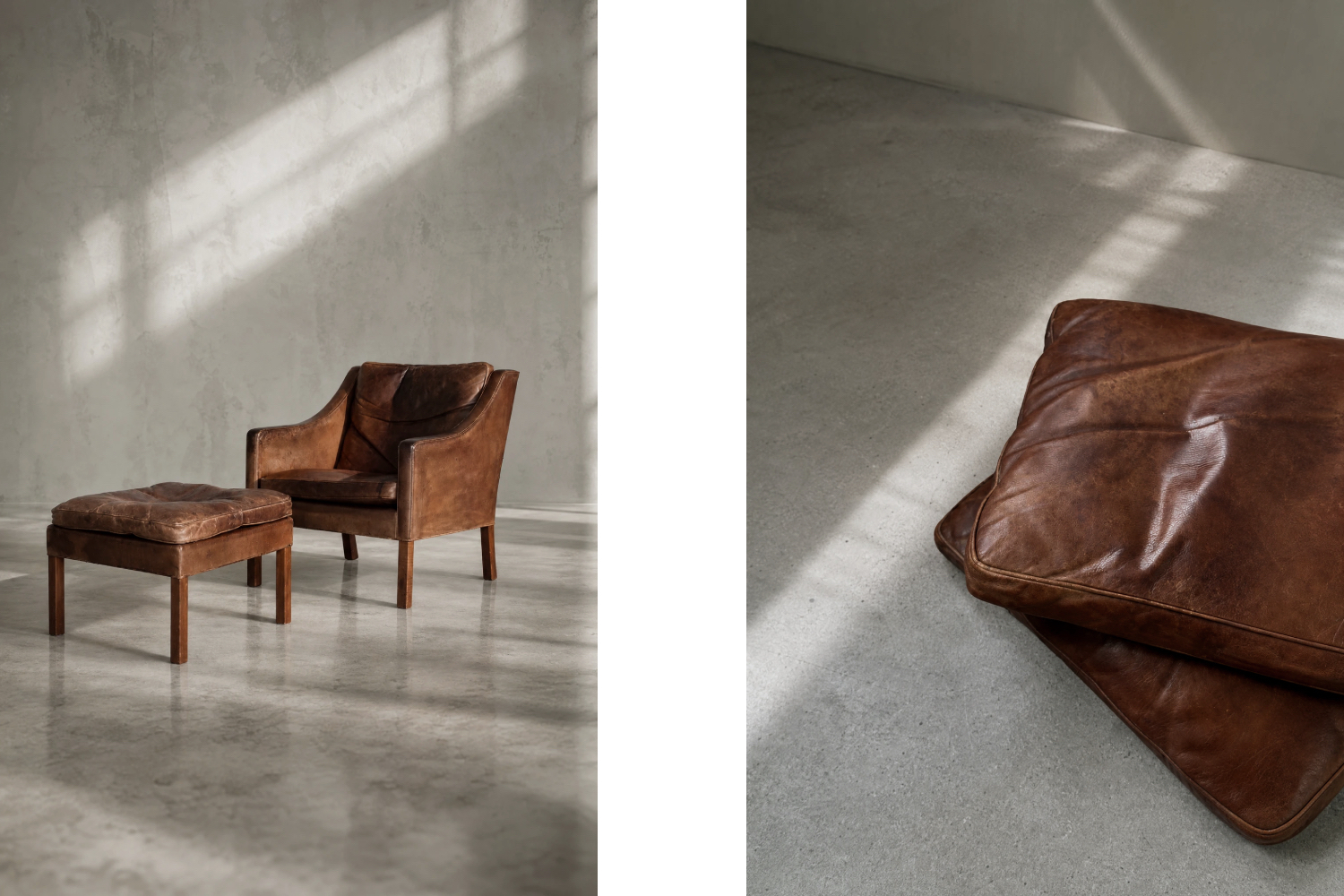
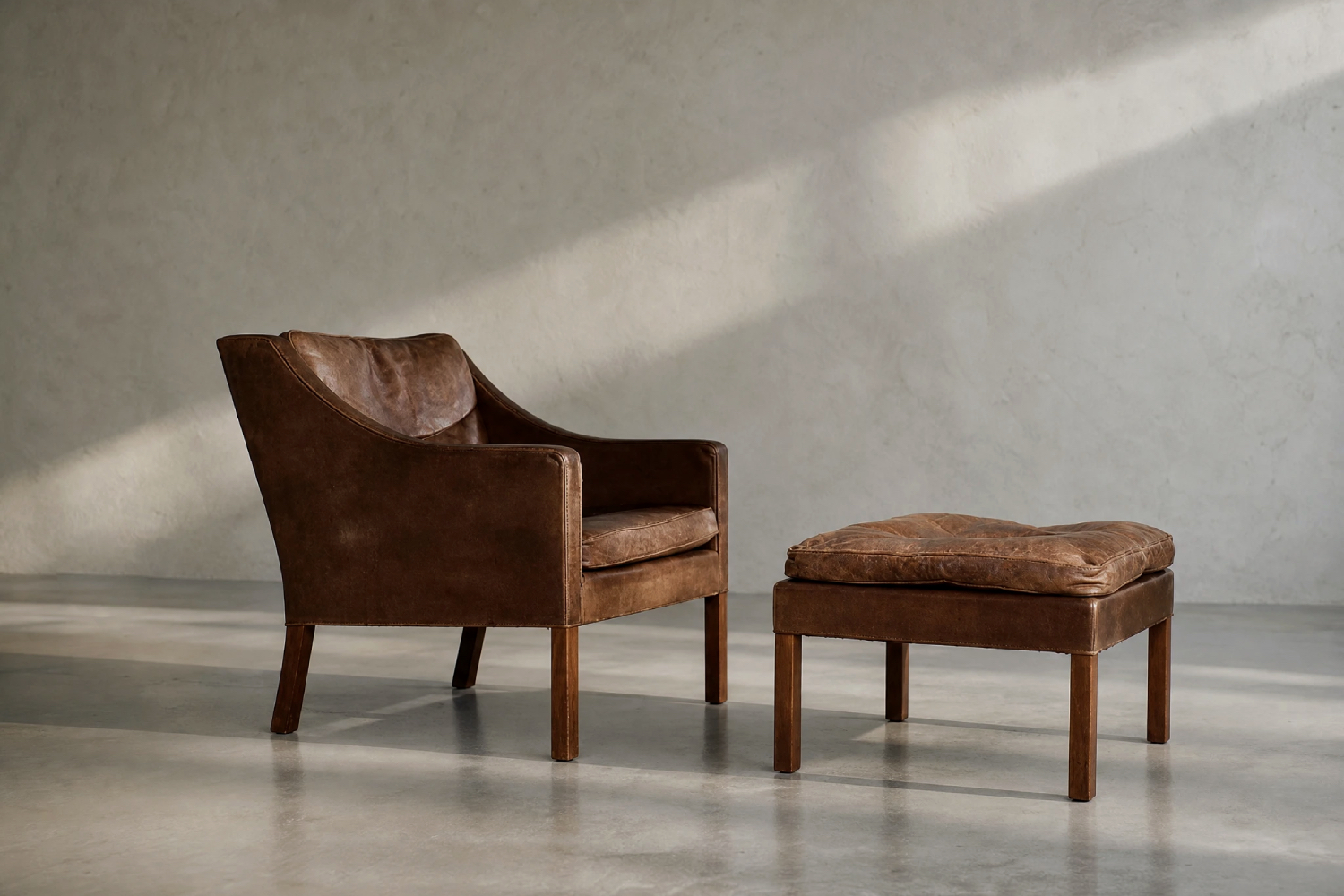
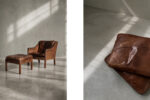
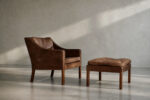
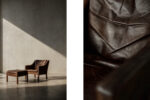
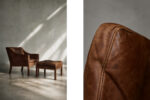
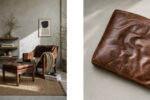
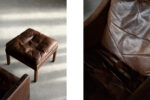
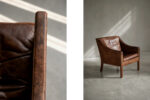
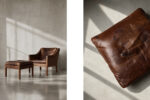
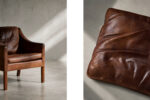
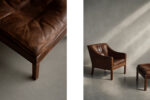
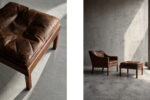
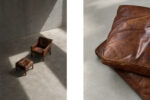
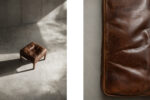
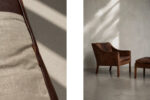
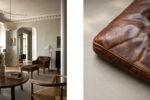
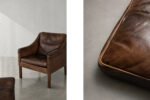
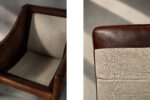
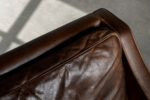
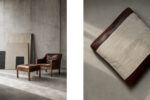
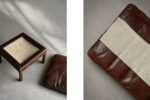
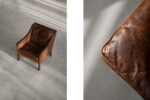
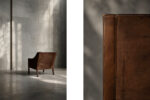
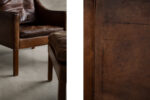
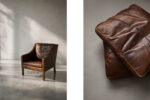
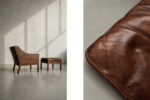
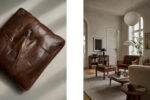
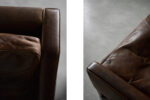
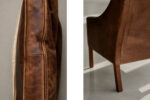
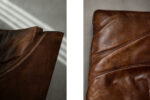
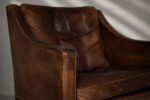
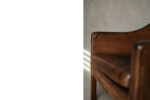
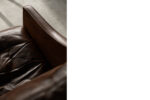
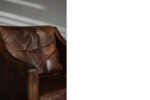
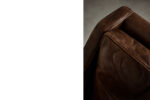
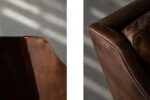
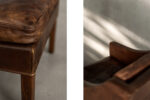
Leather lounge chair with footstool, model 2207, designed by Børge Mogensen, Fredericia, Denmark, 1960s

Description
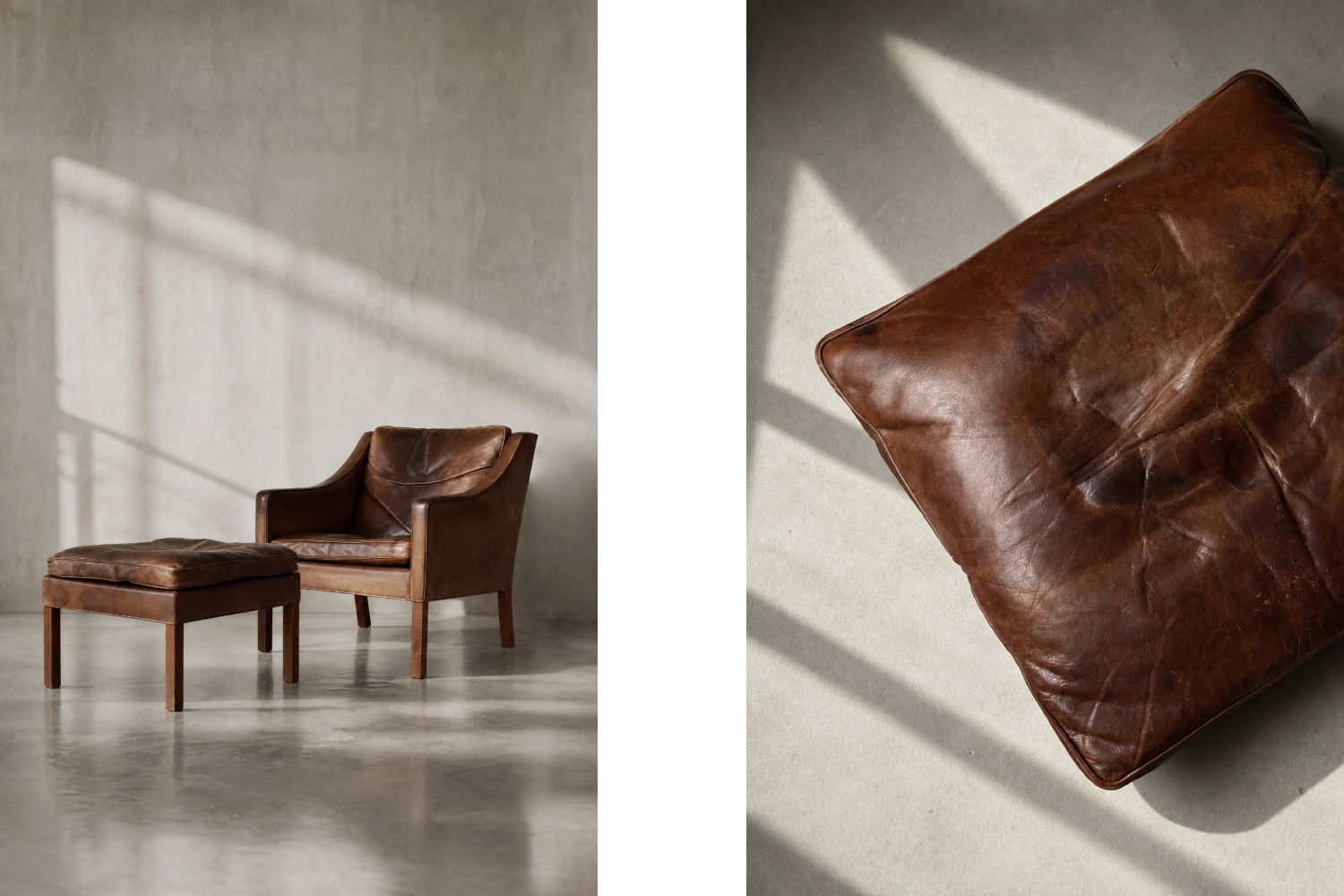
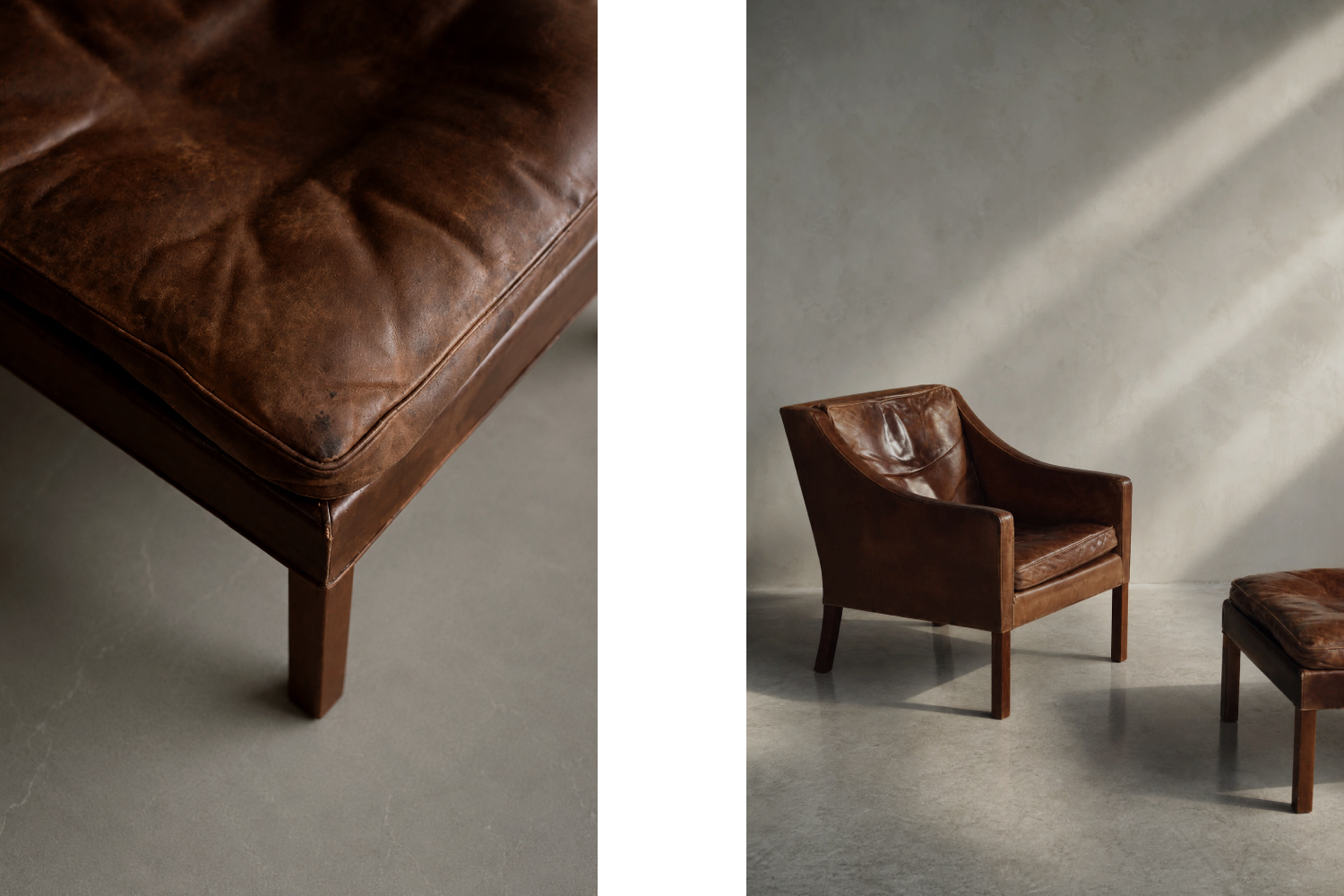
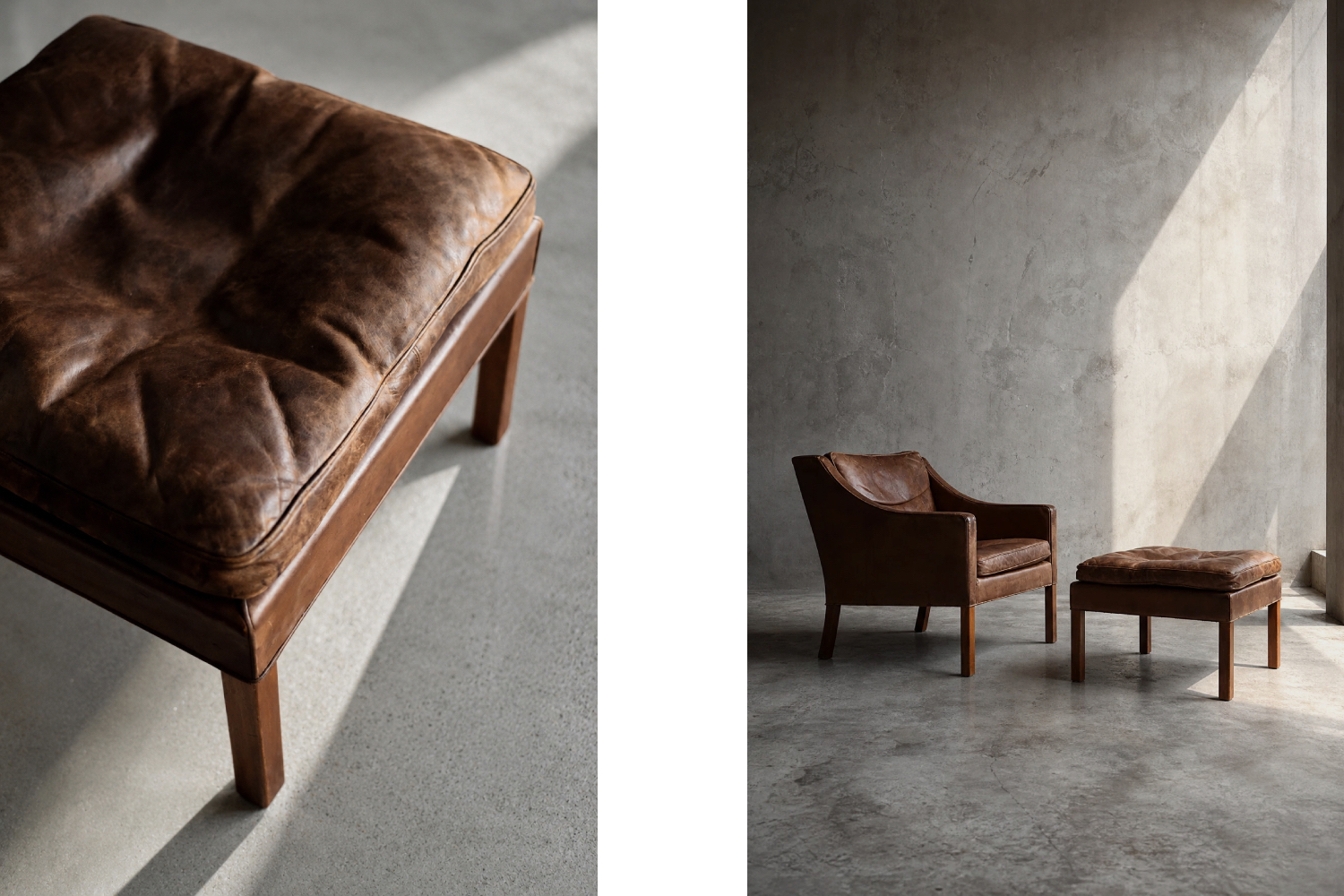
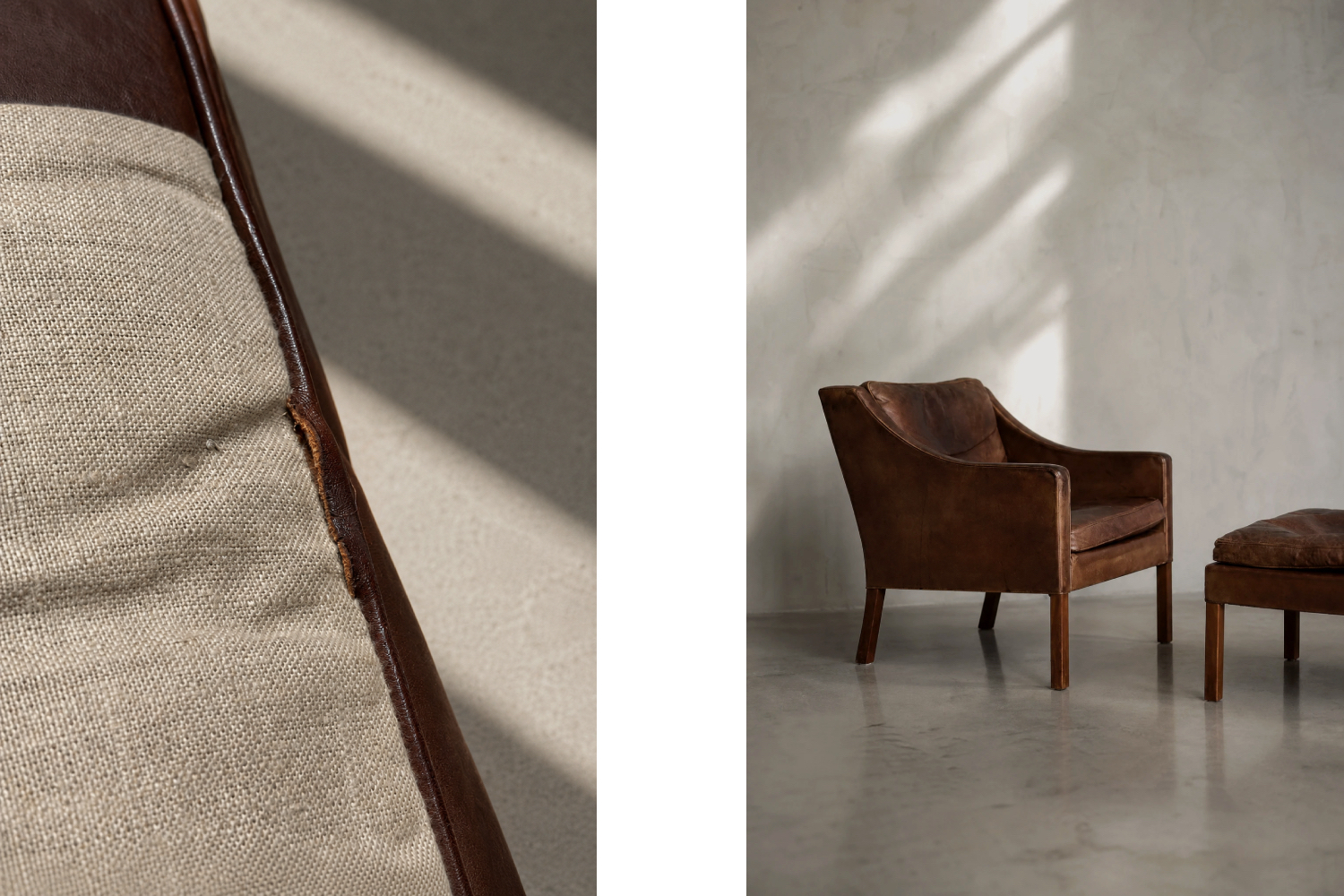
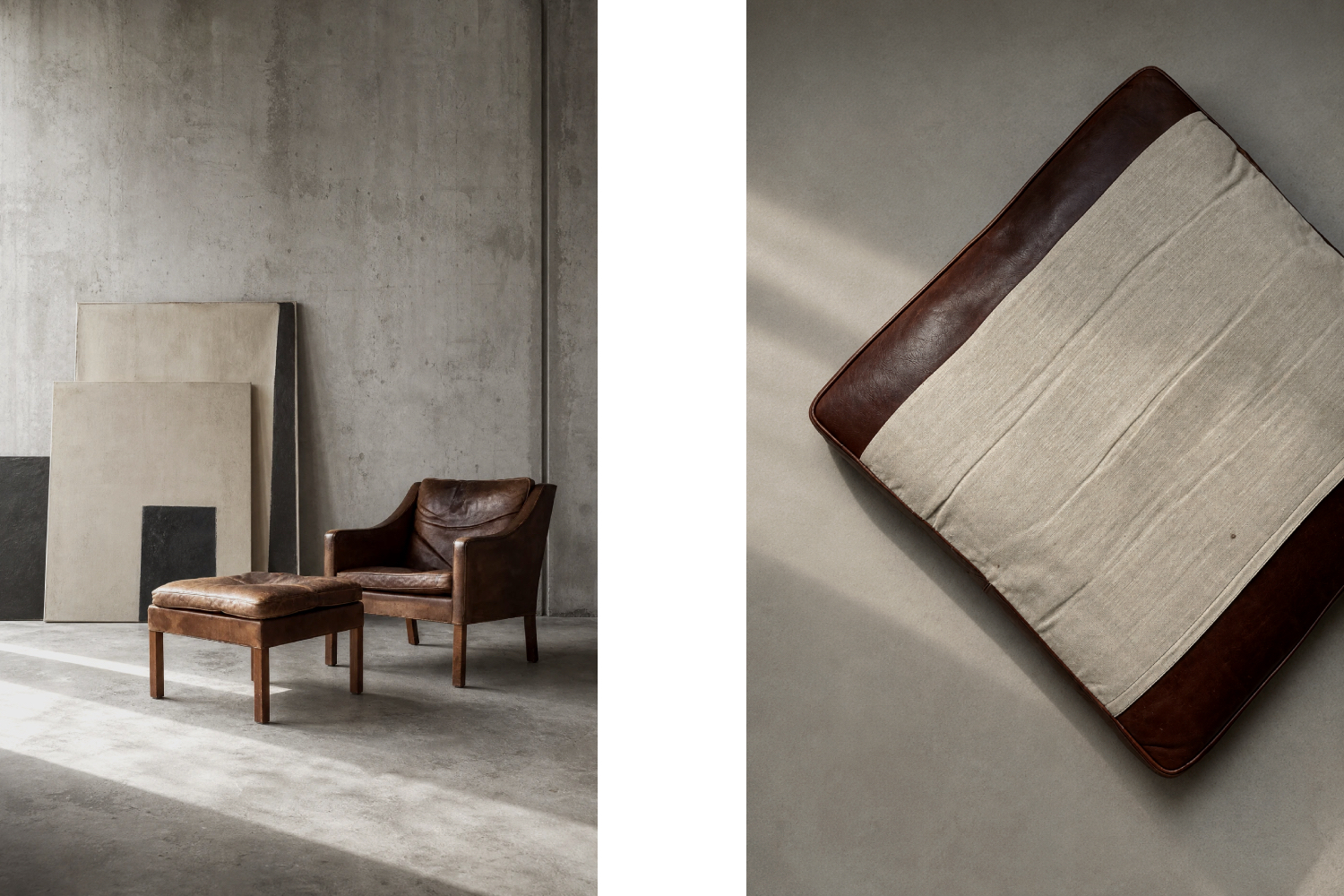
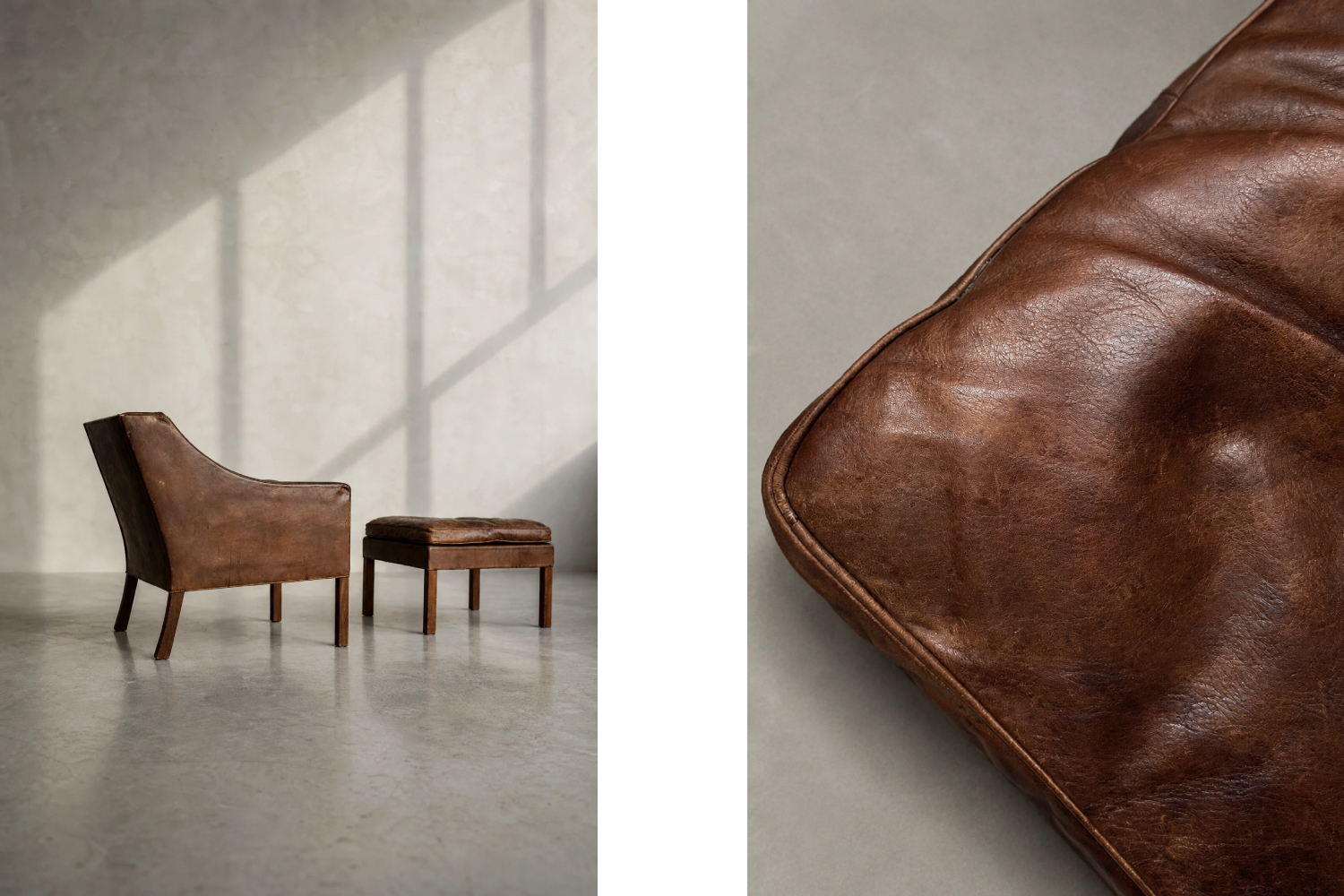
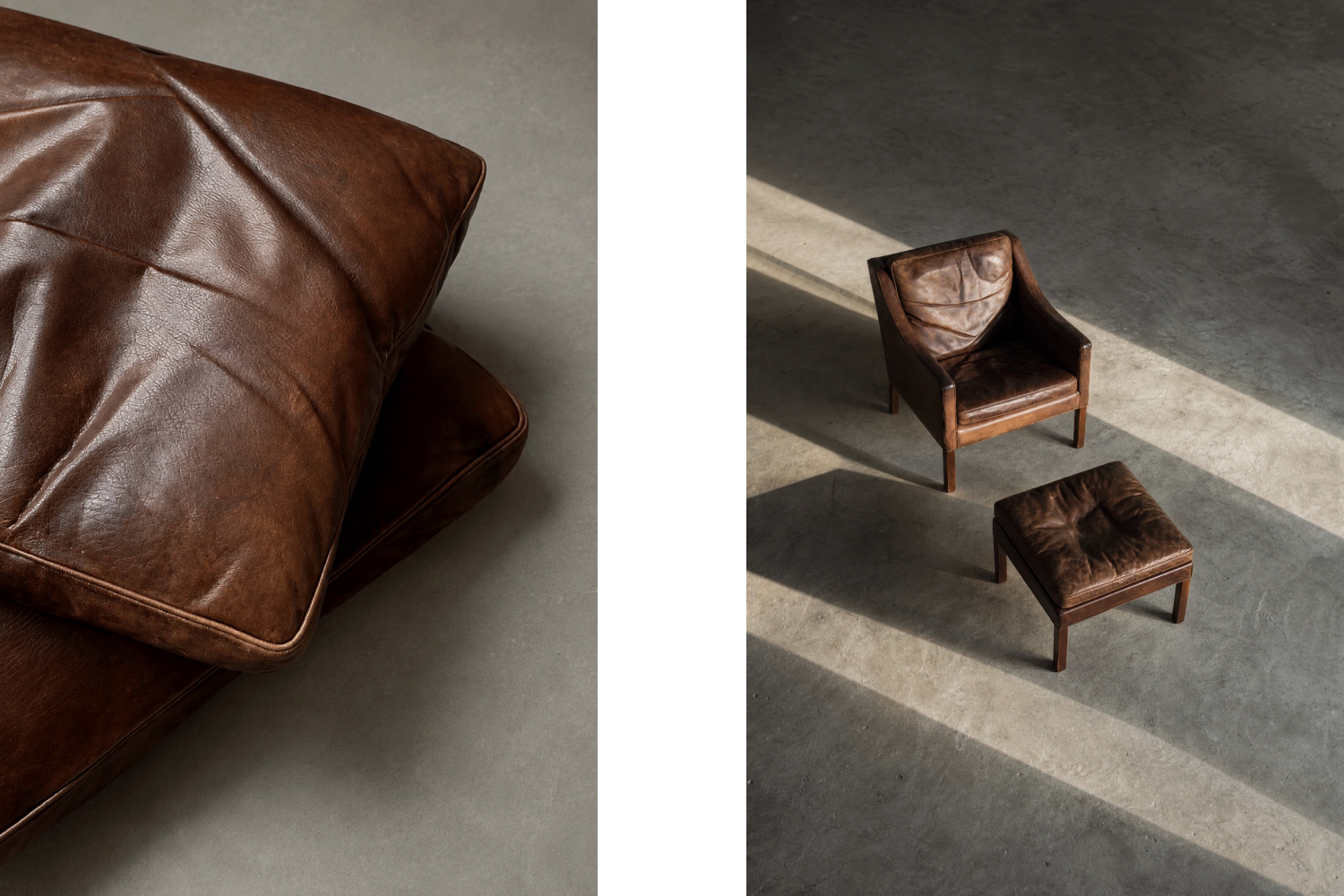
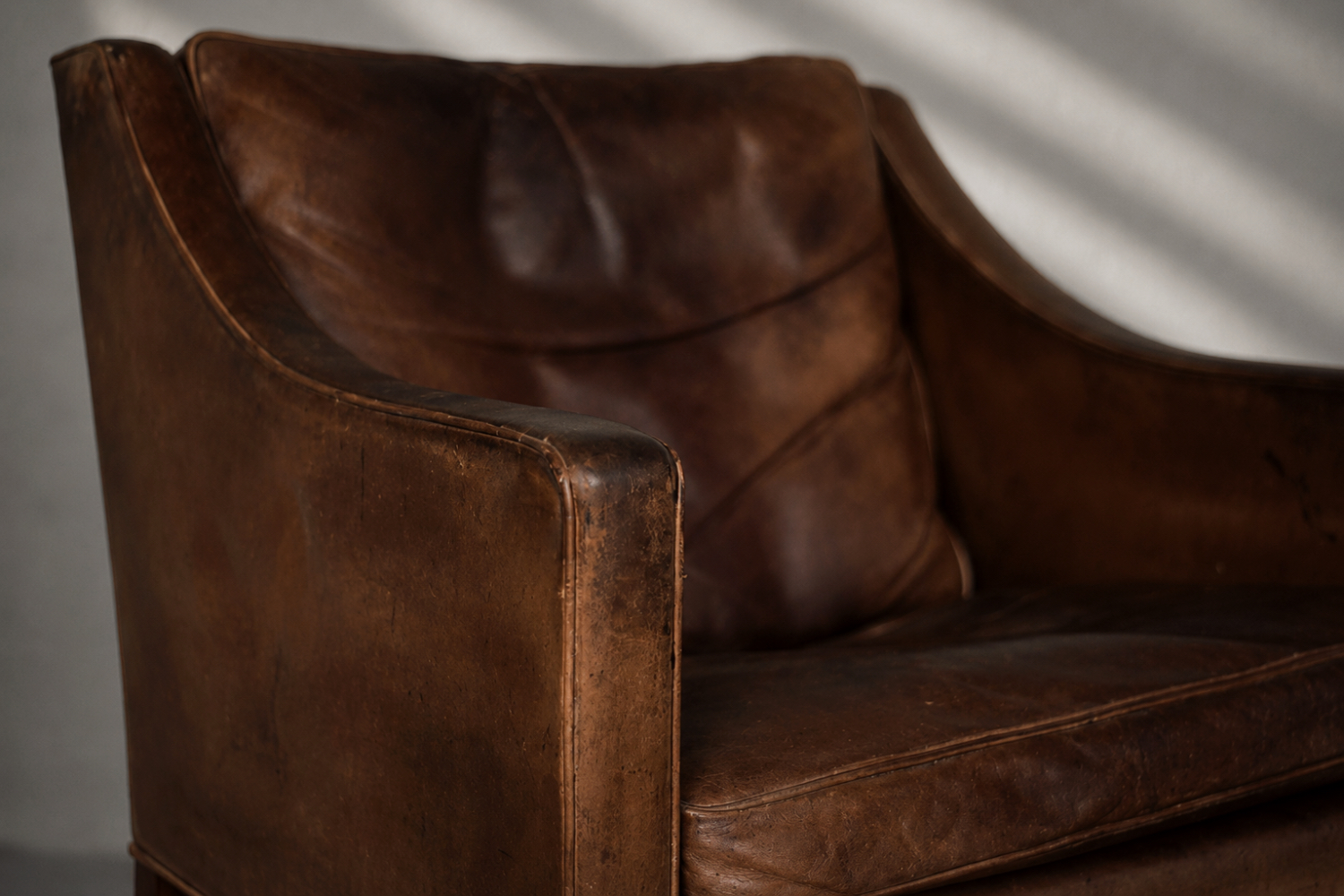
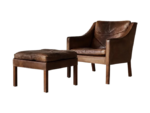
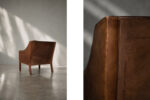
An icon of Danish modernism: a rare set comprising an elegant model 2207 lounge chair together with its footstool. The chair was designed by Børge Mogensen for the Danish manufacturer Fredericia. It is one of the designer’s most distinctive designs from his mature creative period. It is an example of modernism in which functionality, the nobility of the materials and timeless form take precedence over passing trends.
Model 2207 was designed in the early 1960s as part of Collection 22: Mogensen’s series of upholstered sofas and lounge chairs (Mogensen 22 Collection). The design is based on a highly deliberate contrast: the expressive, almost architectural outer structure is paired with a soft, comfortable interior. This balance between structural discipline and comfort is one of the most recognisable elements of Mogensen’s design language.
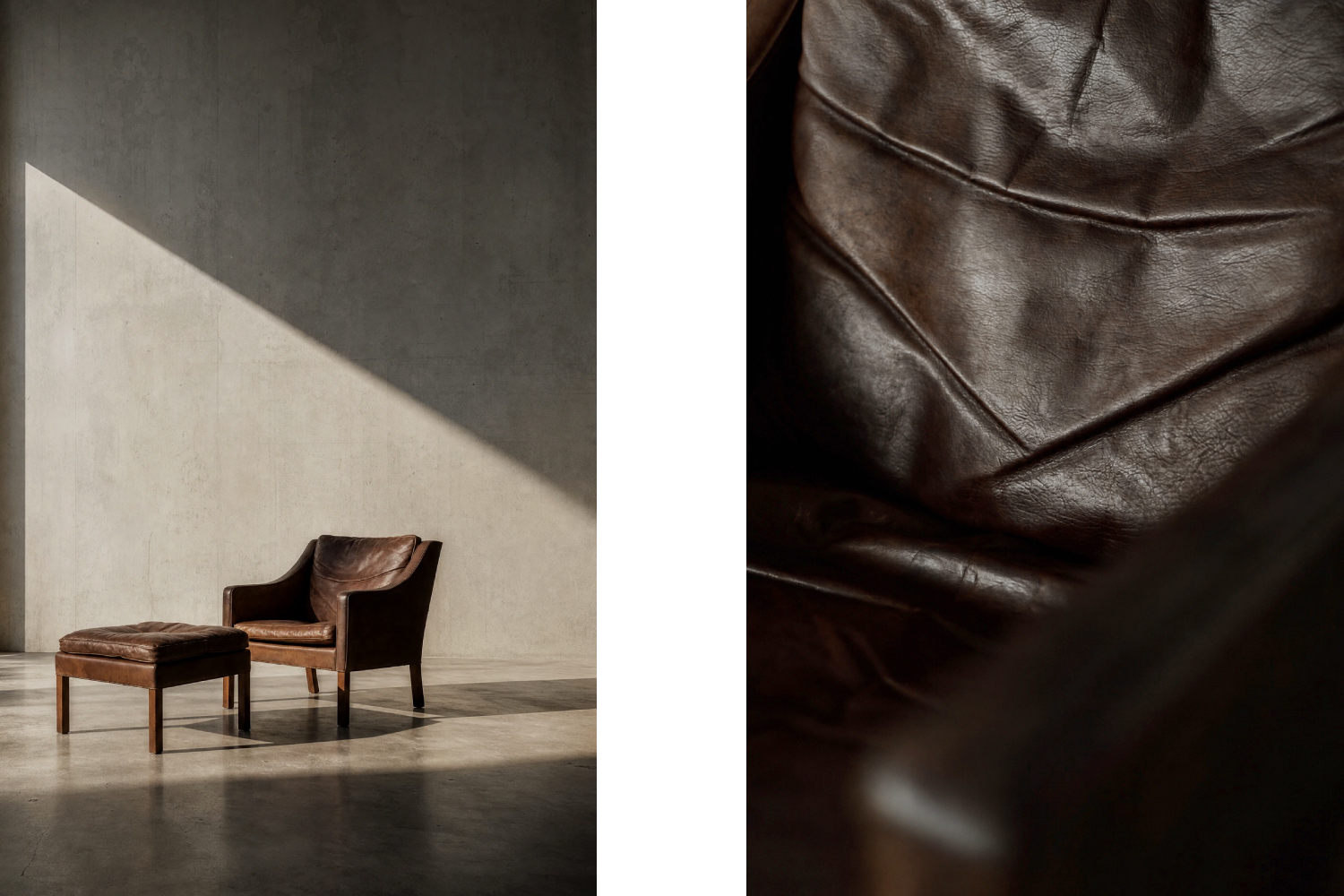
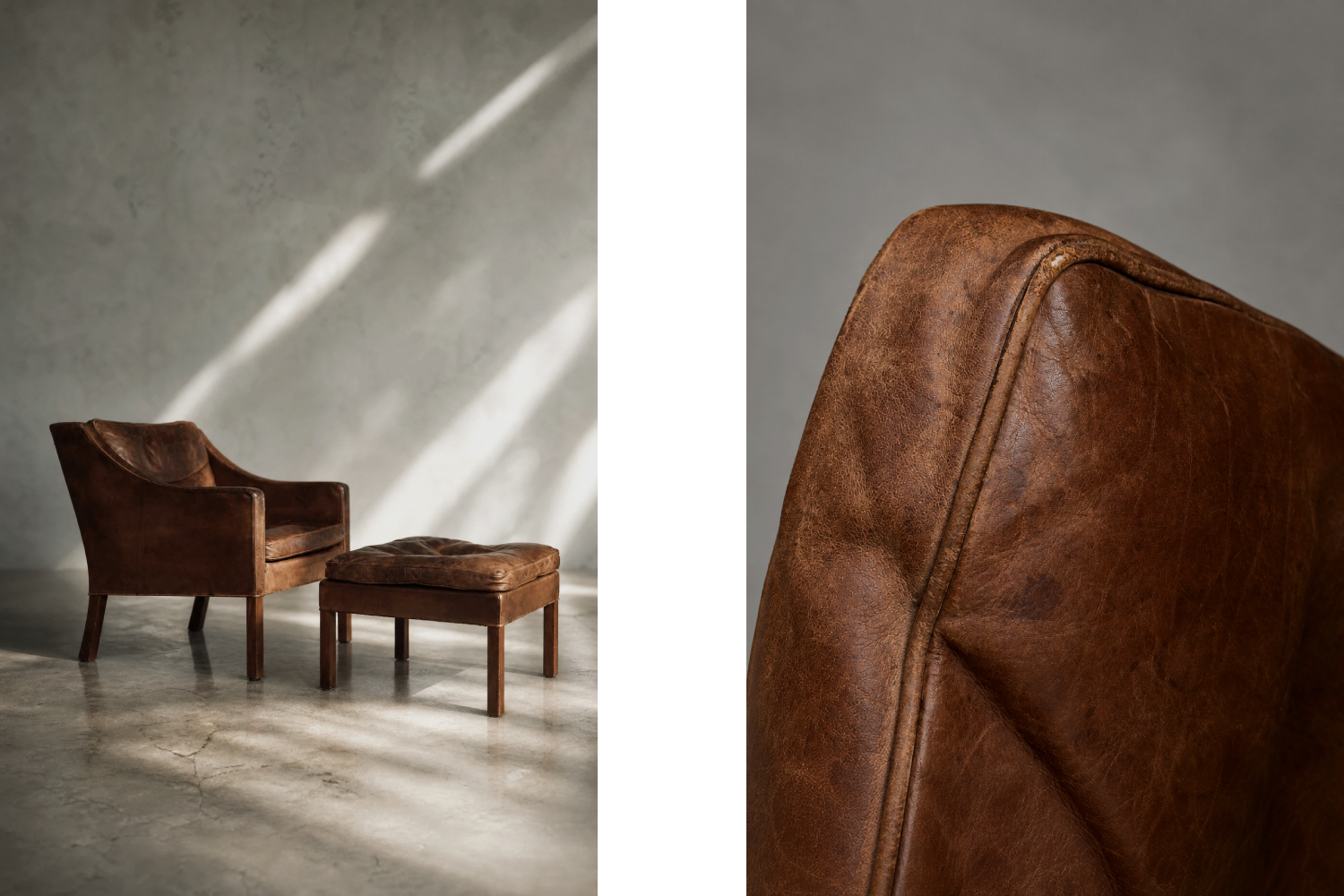
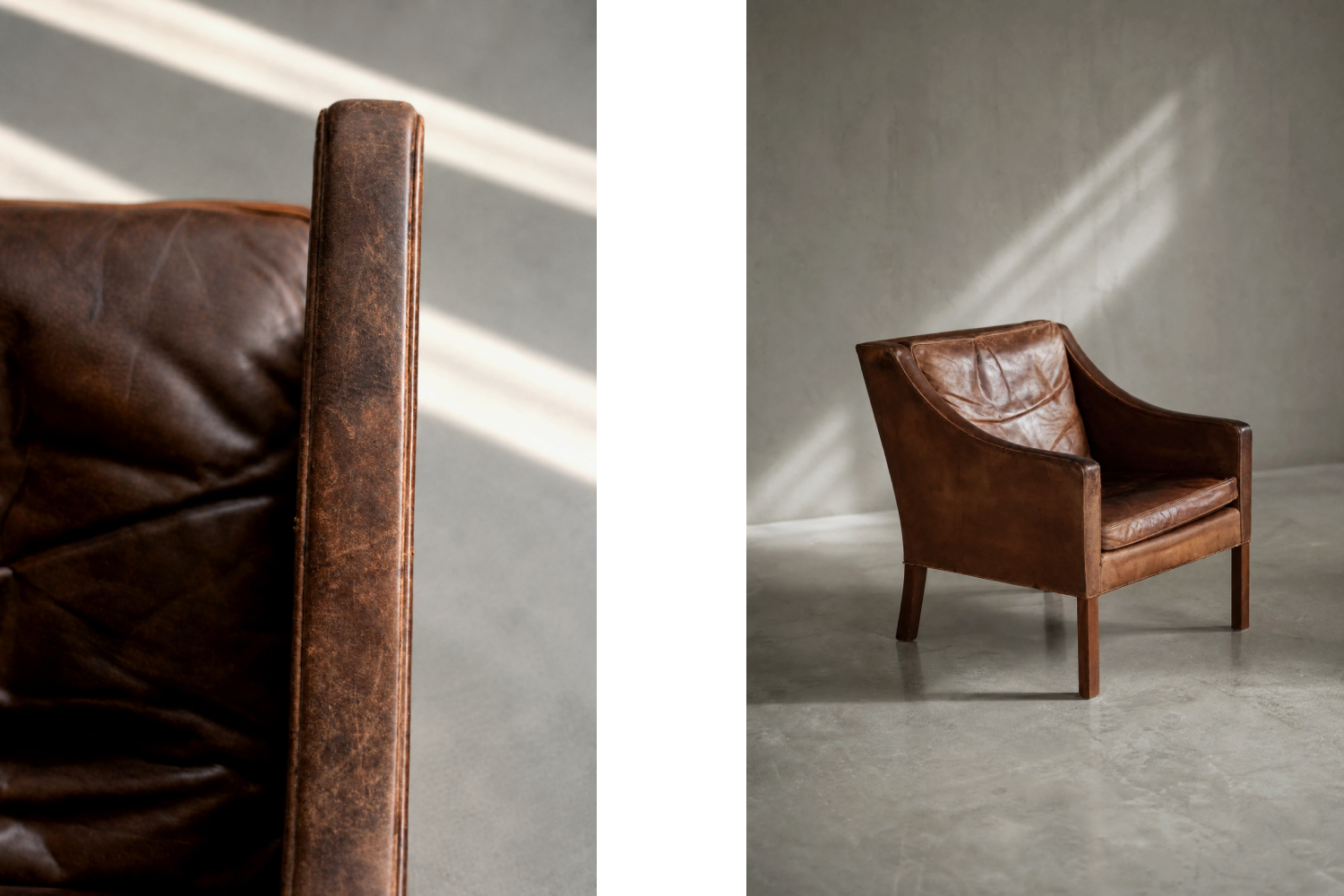
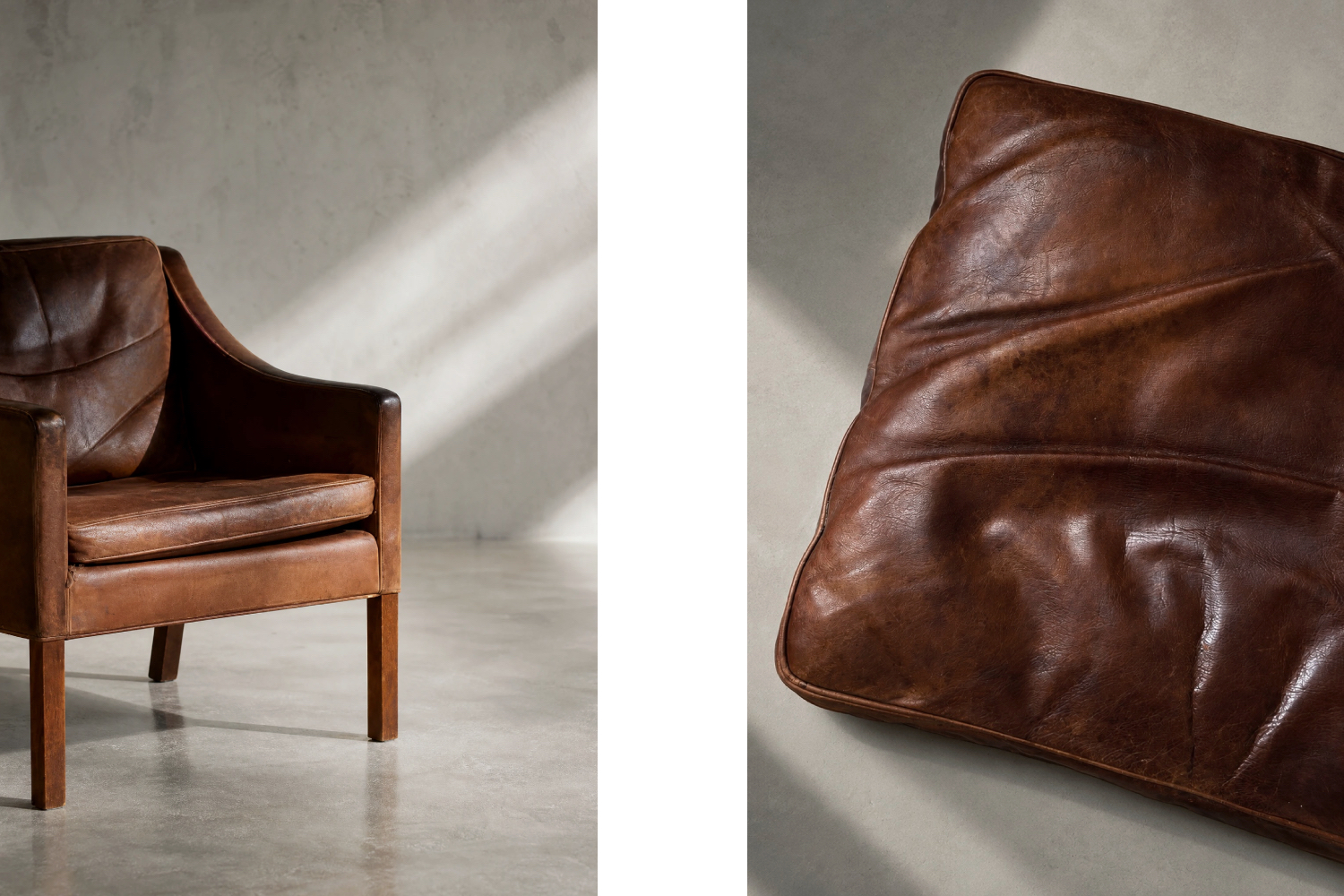
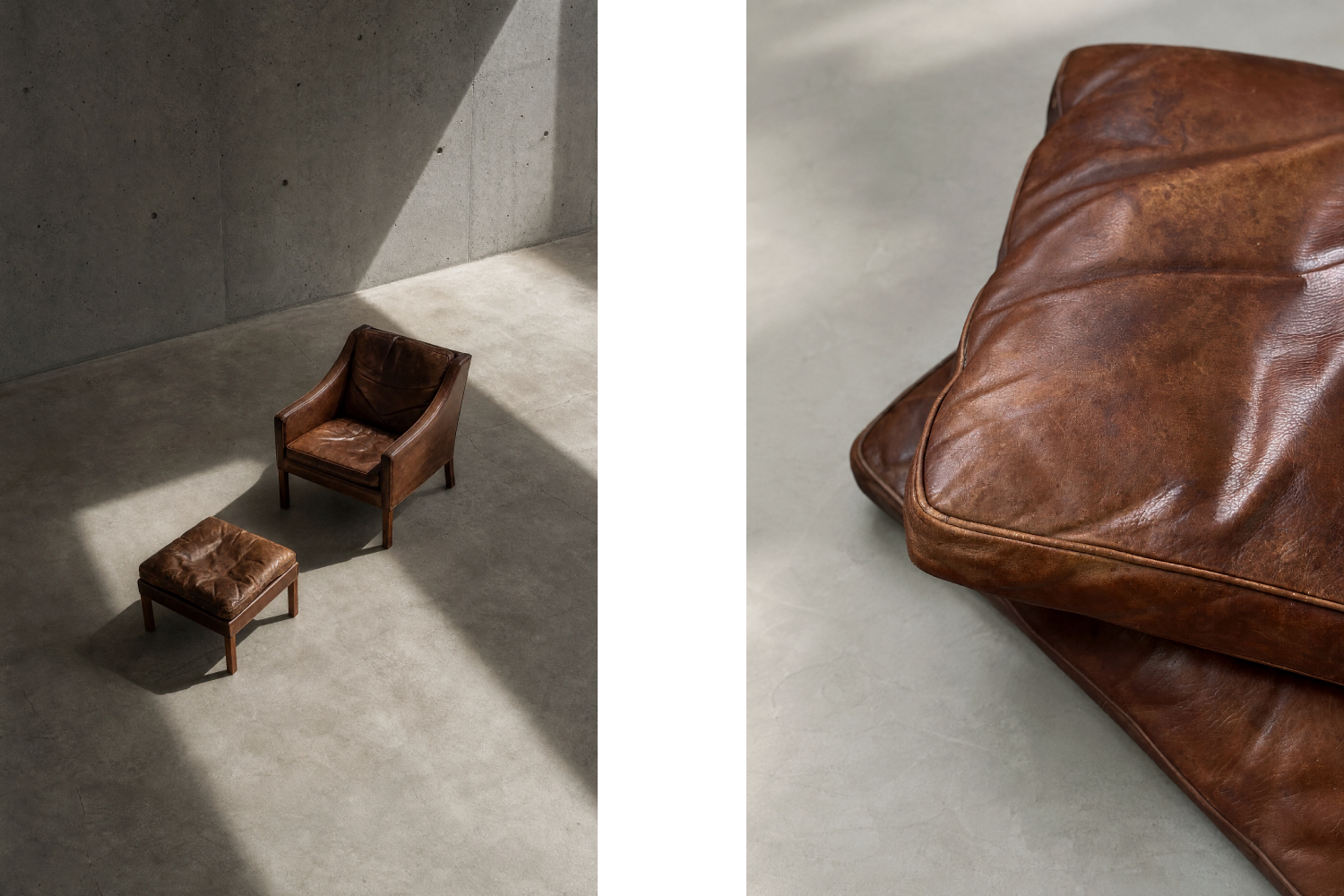
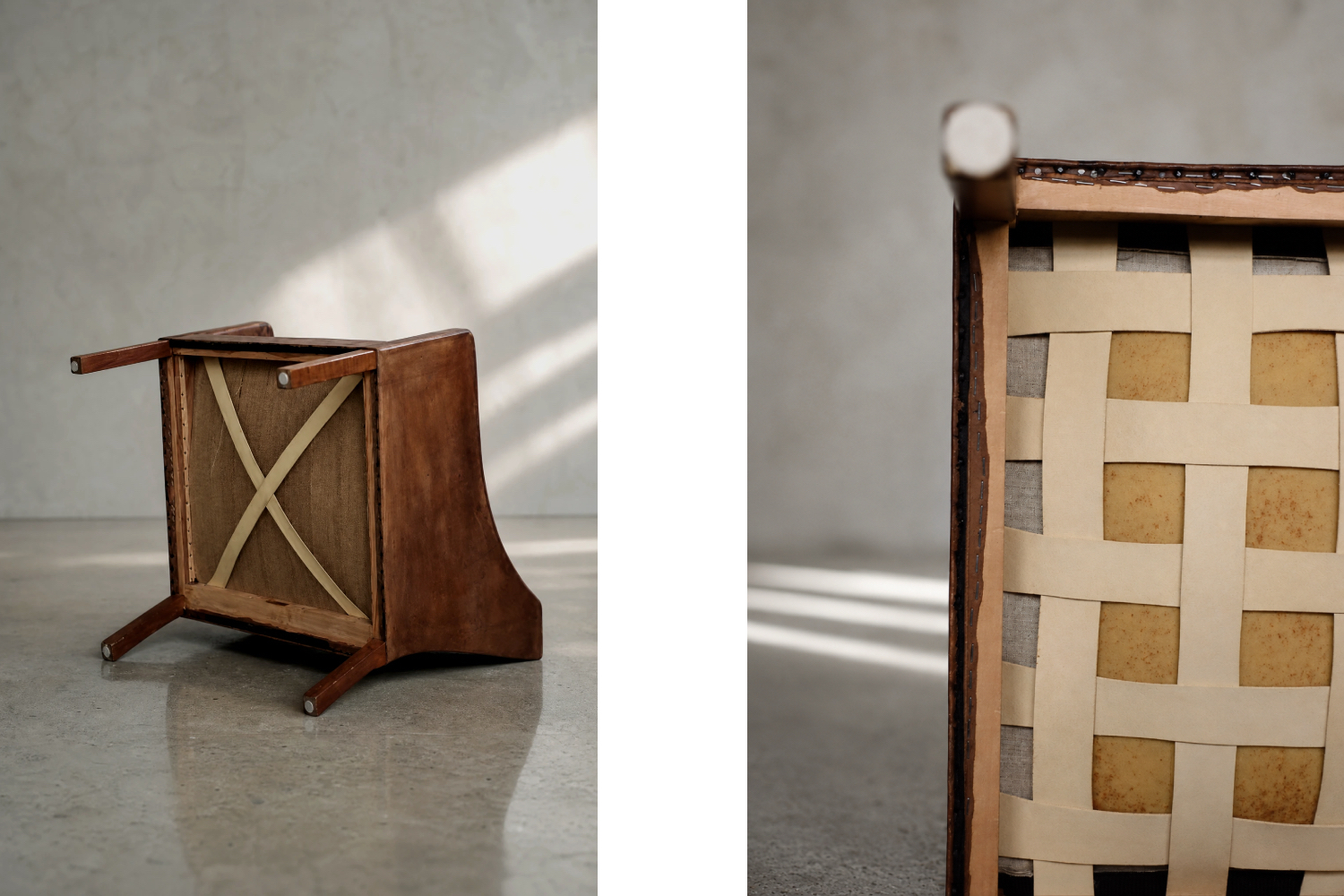
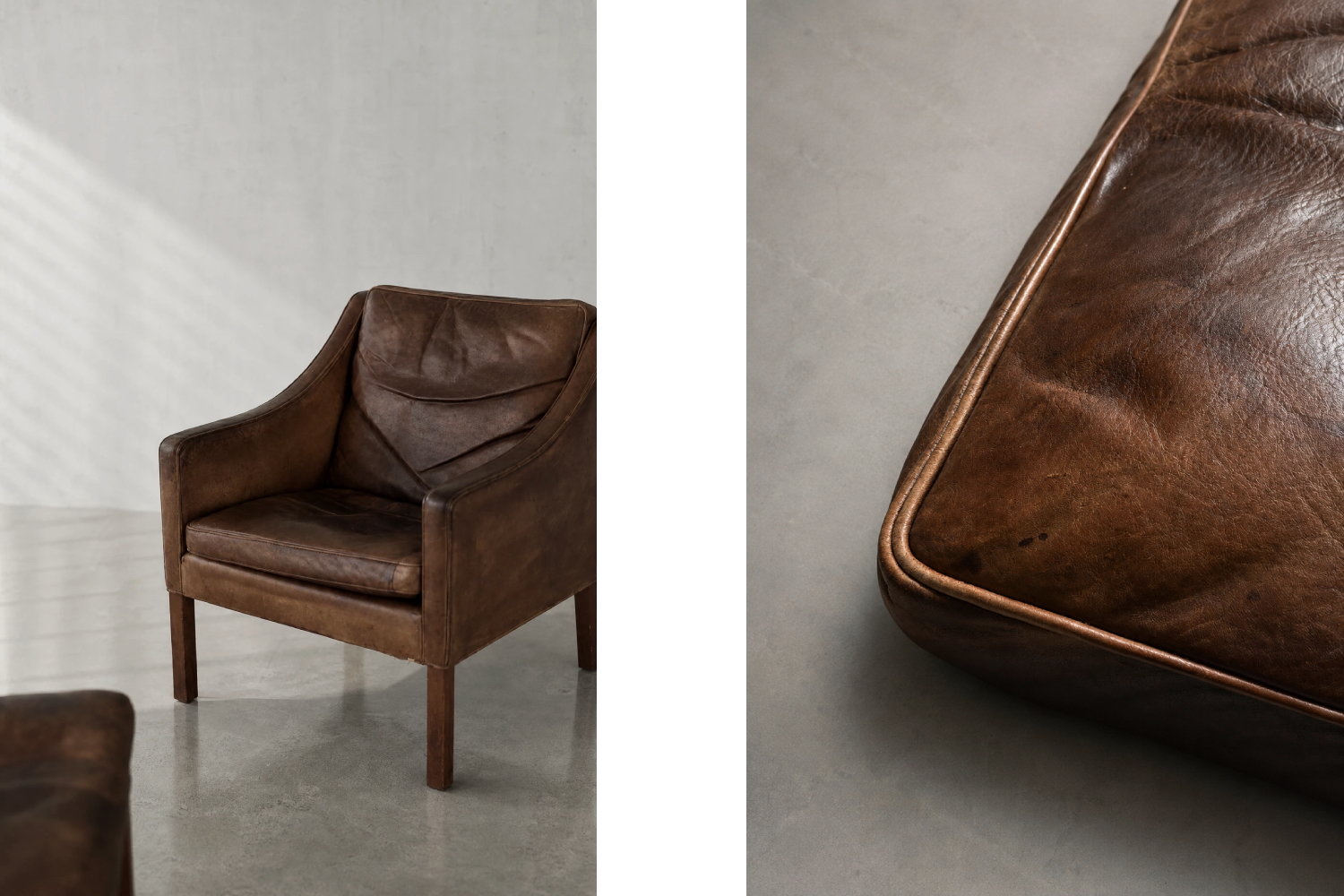
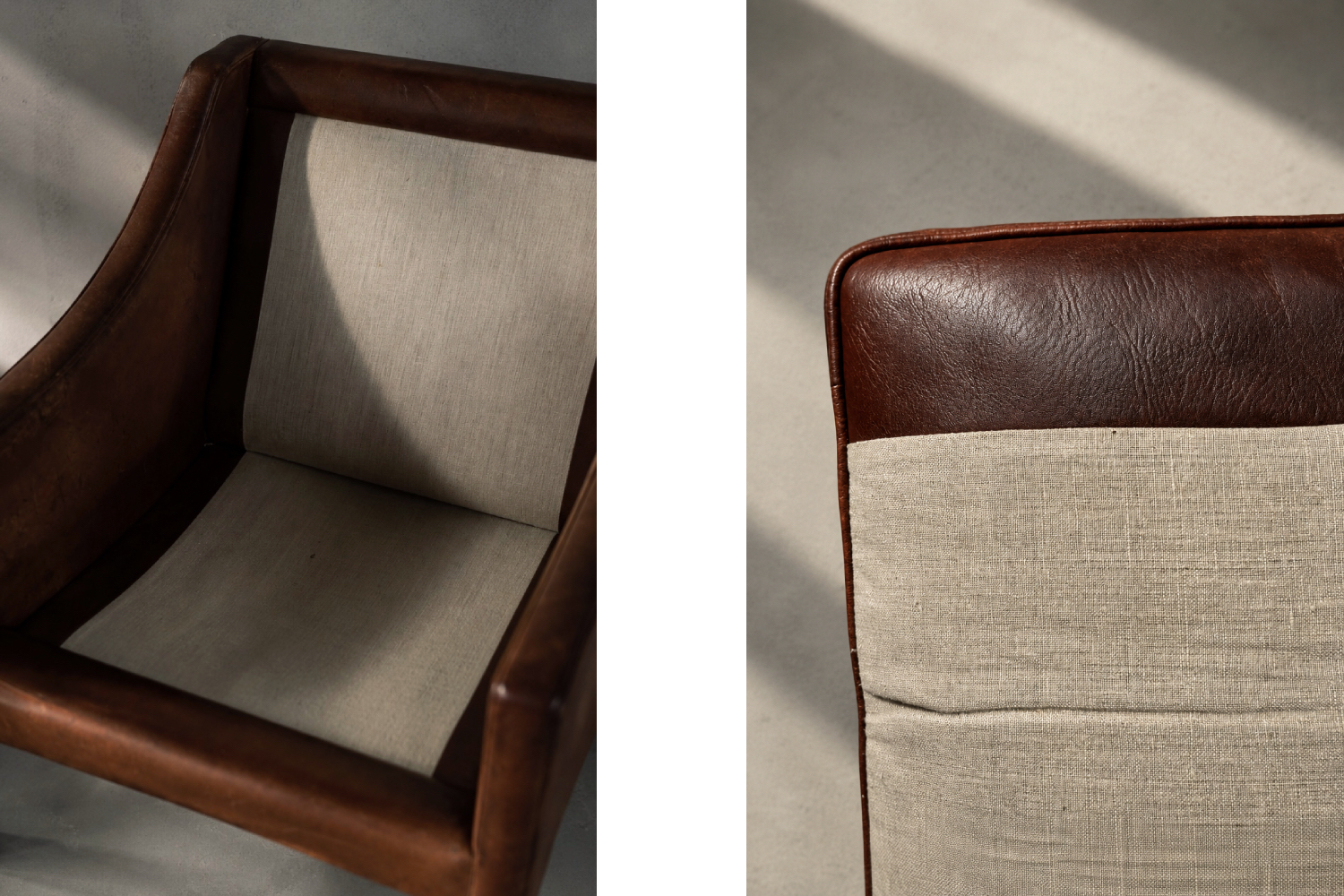
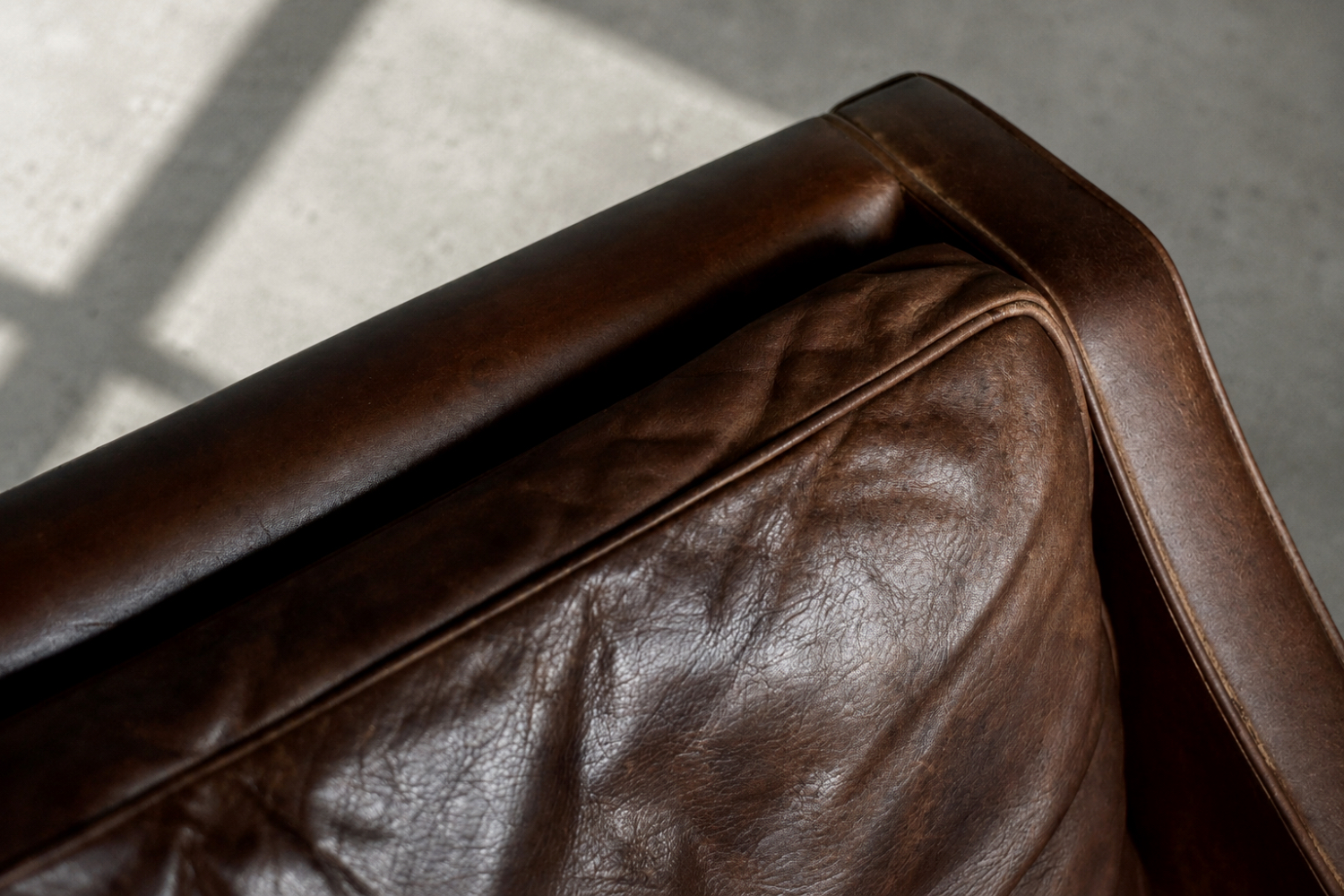
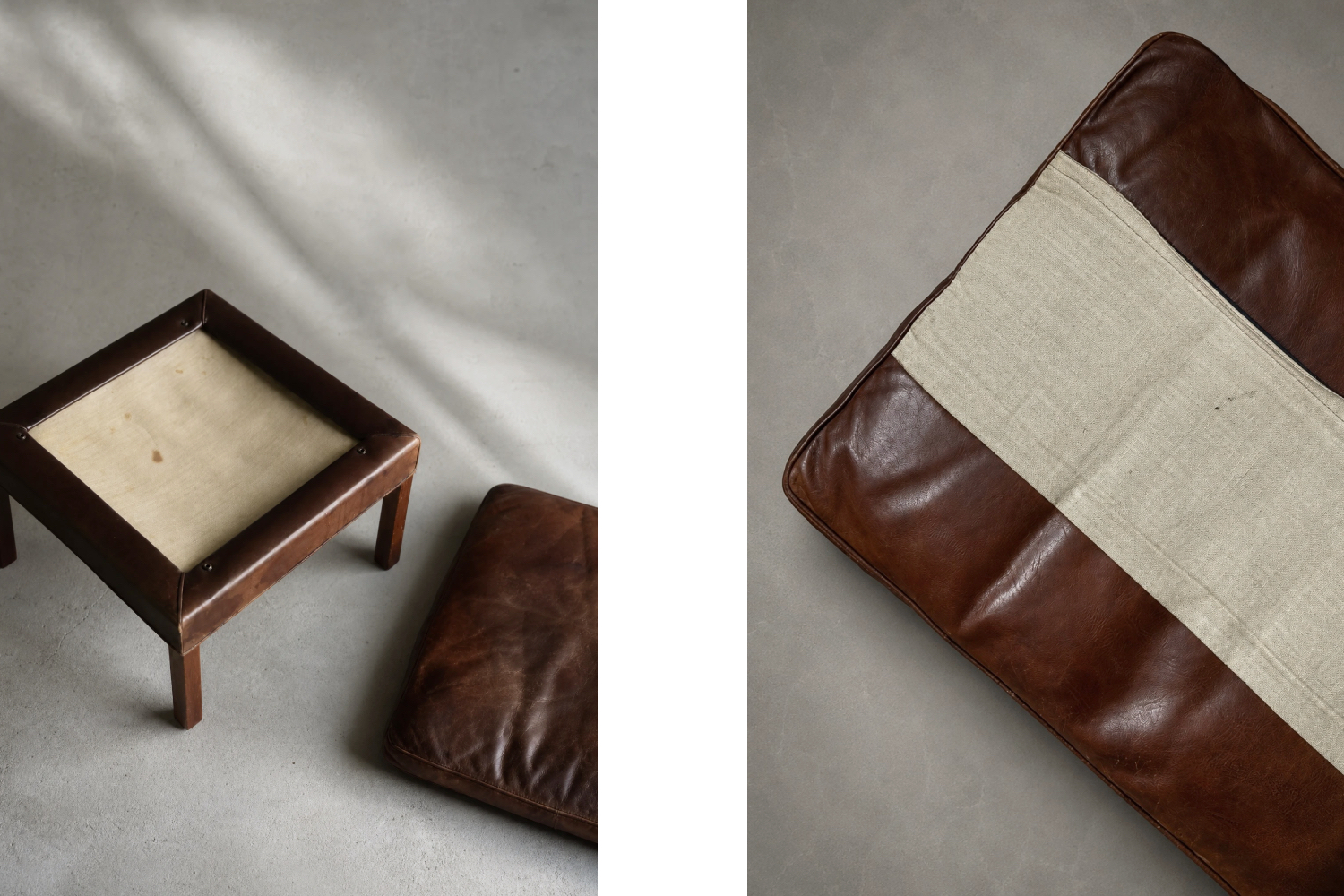
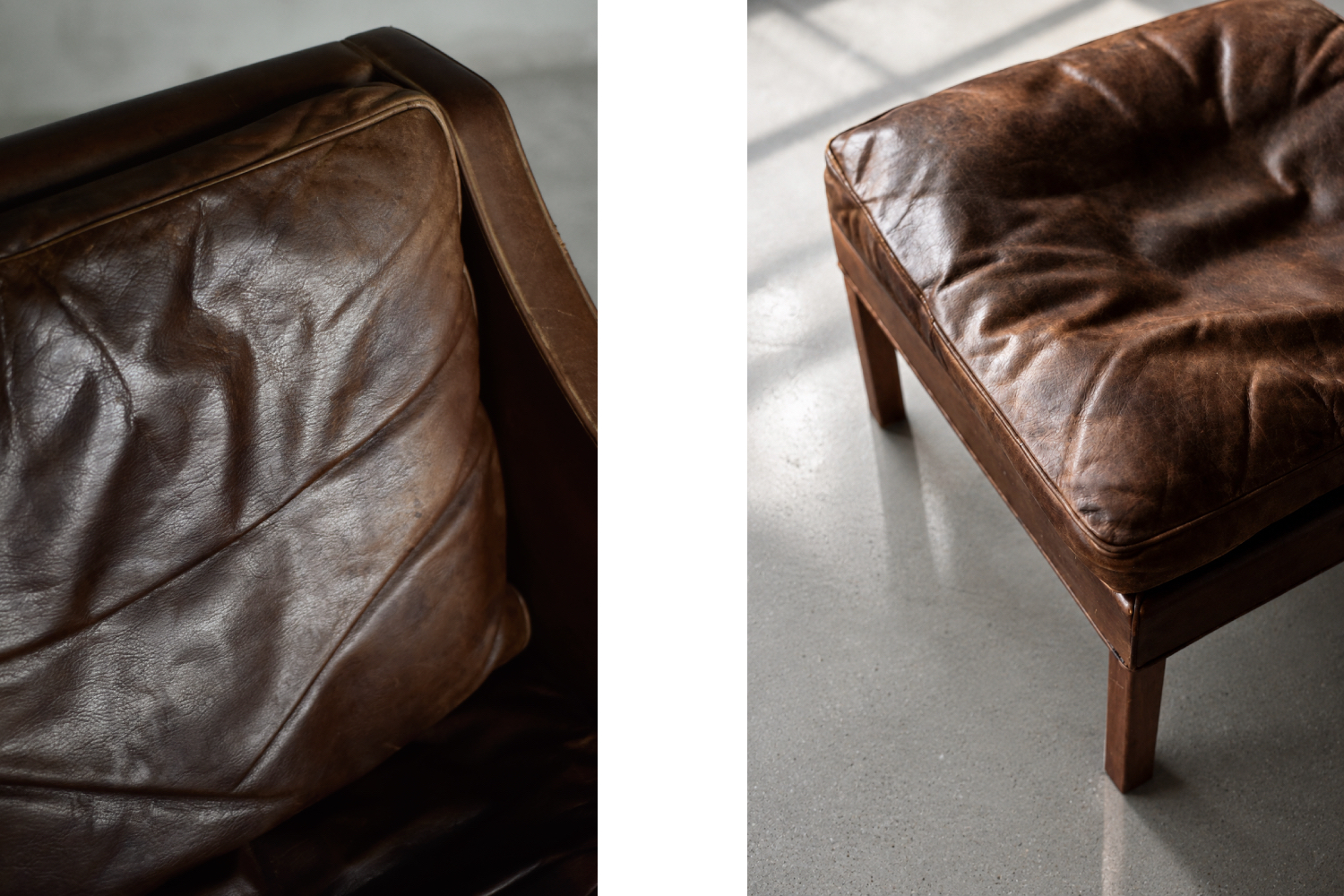
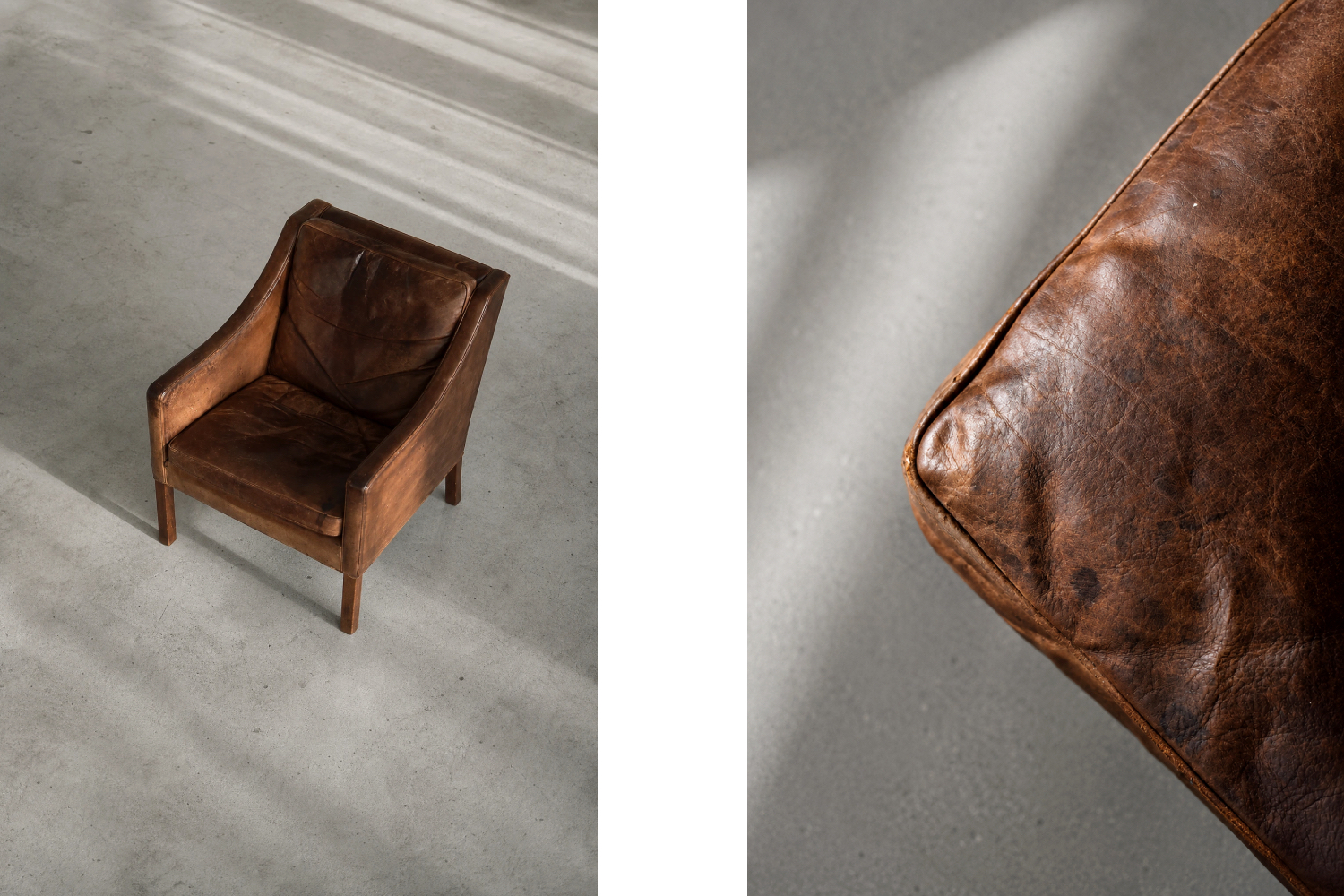
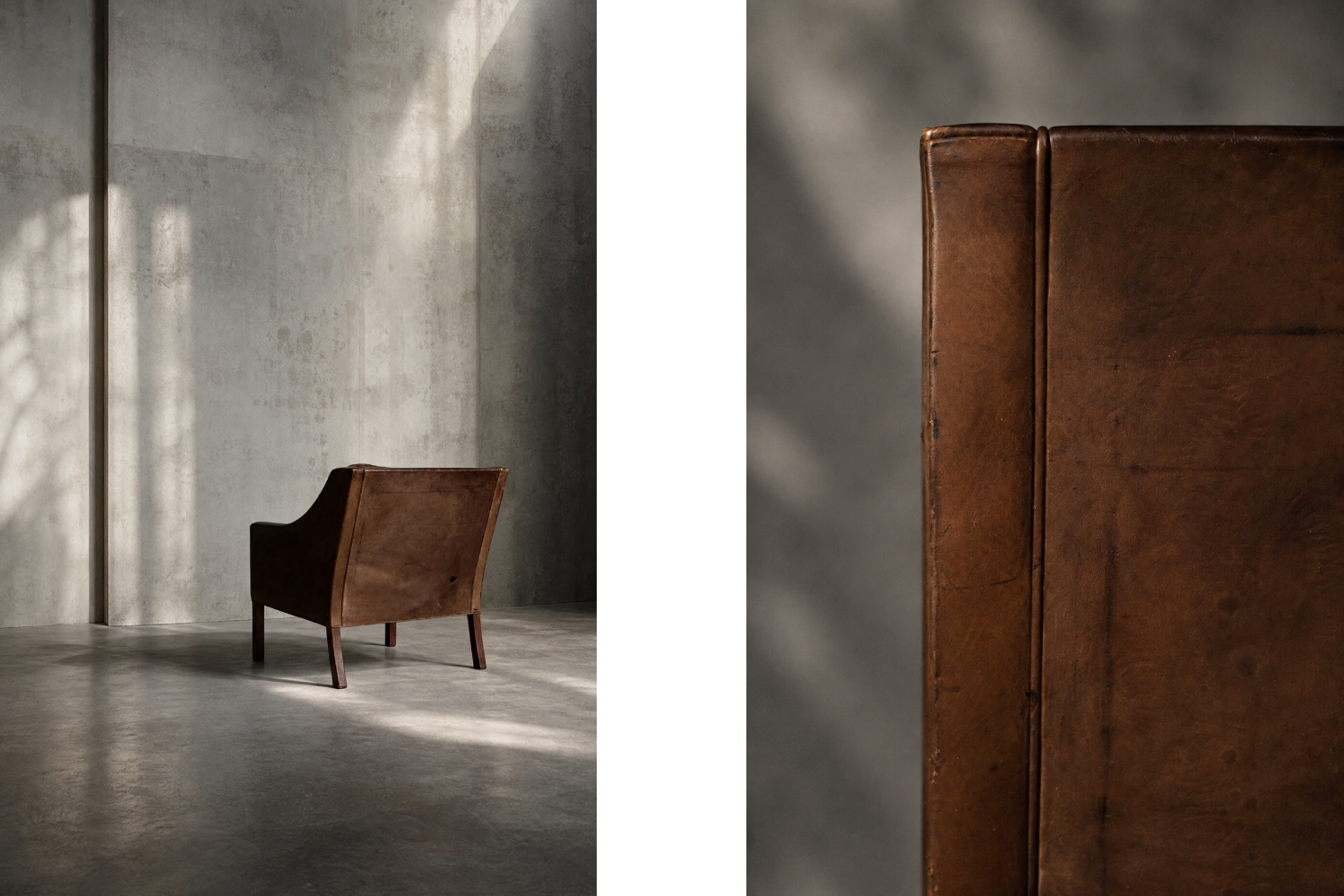
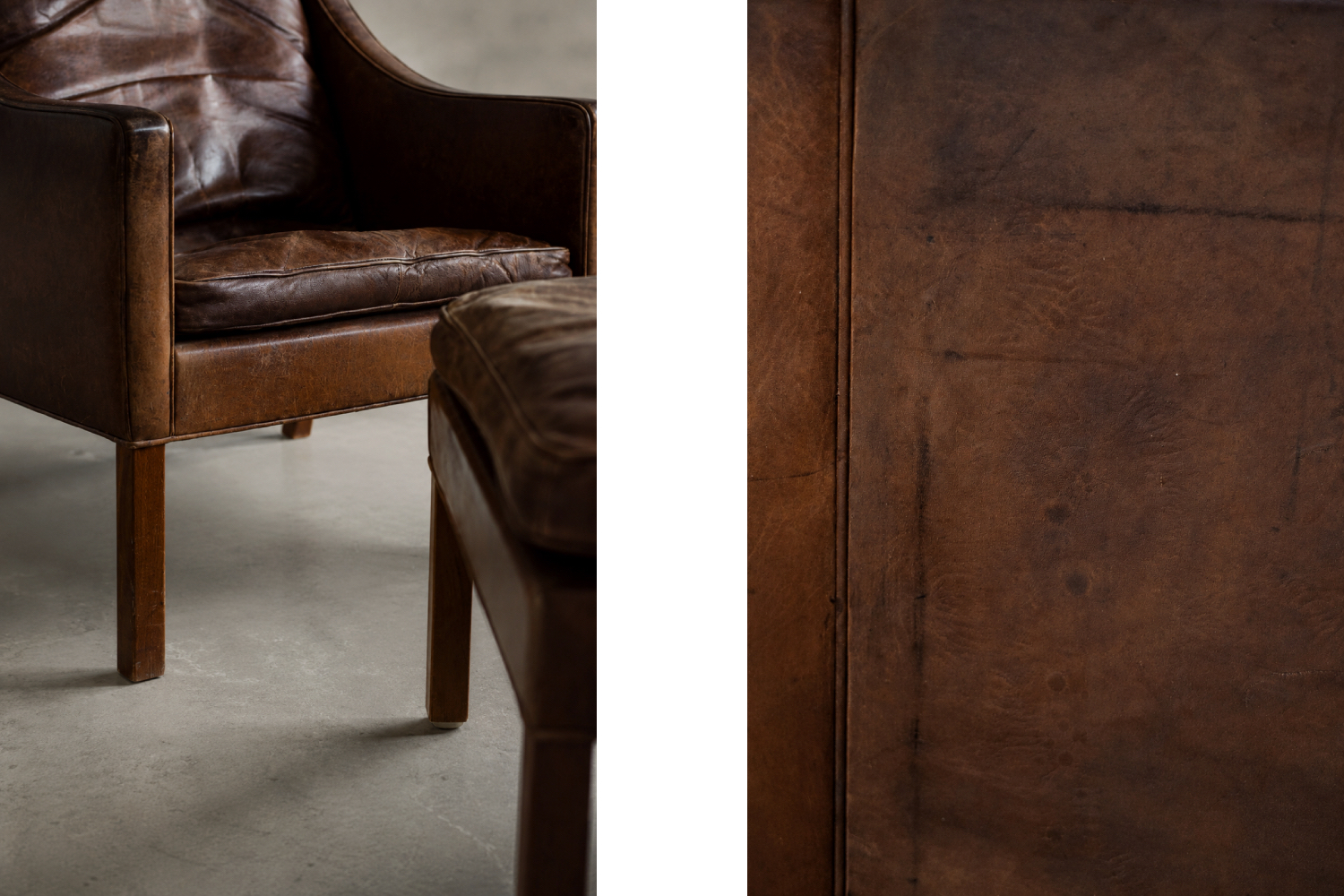
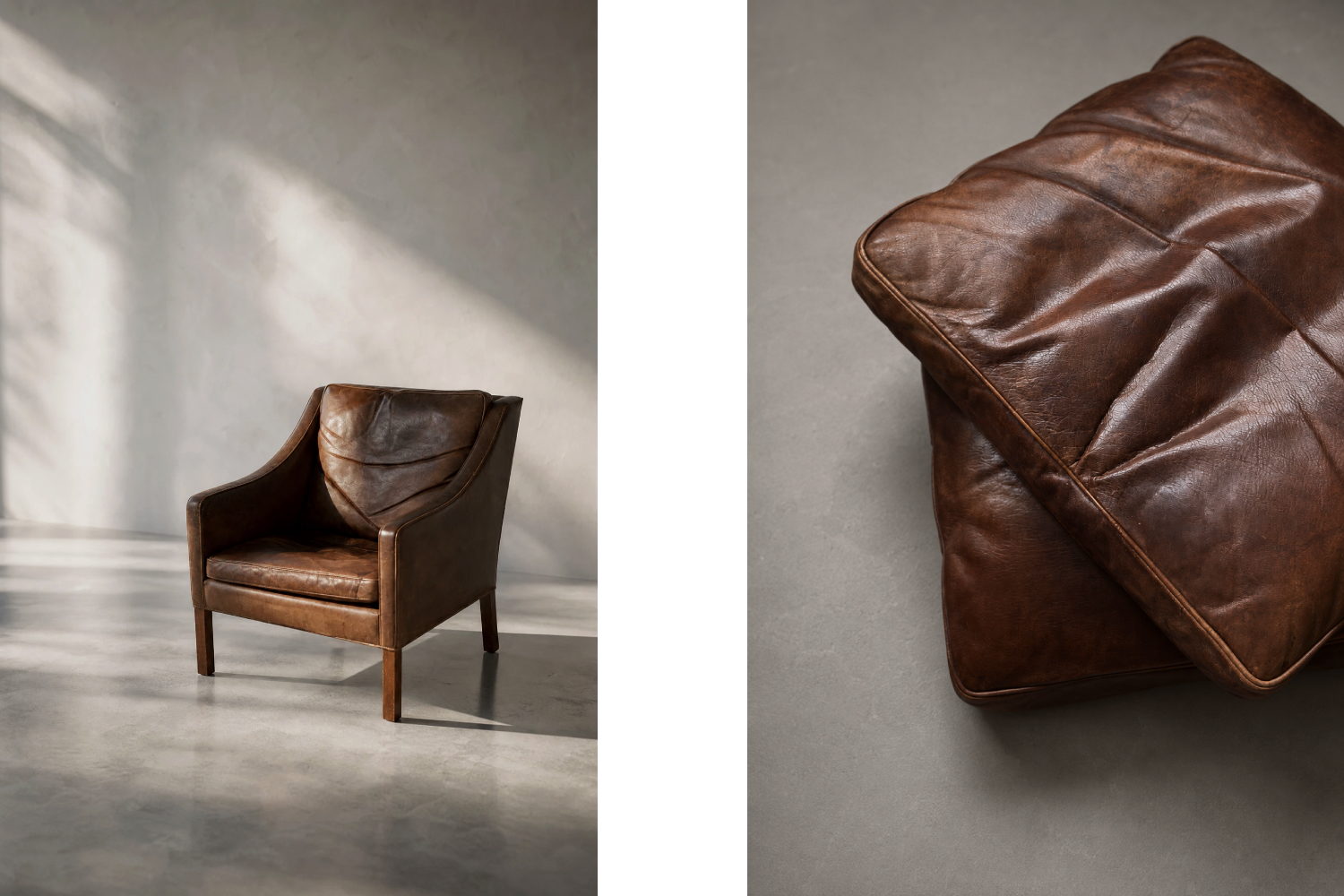
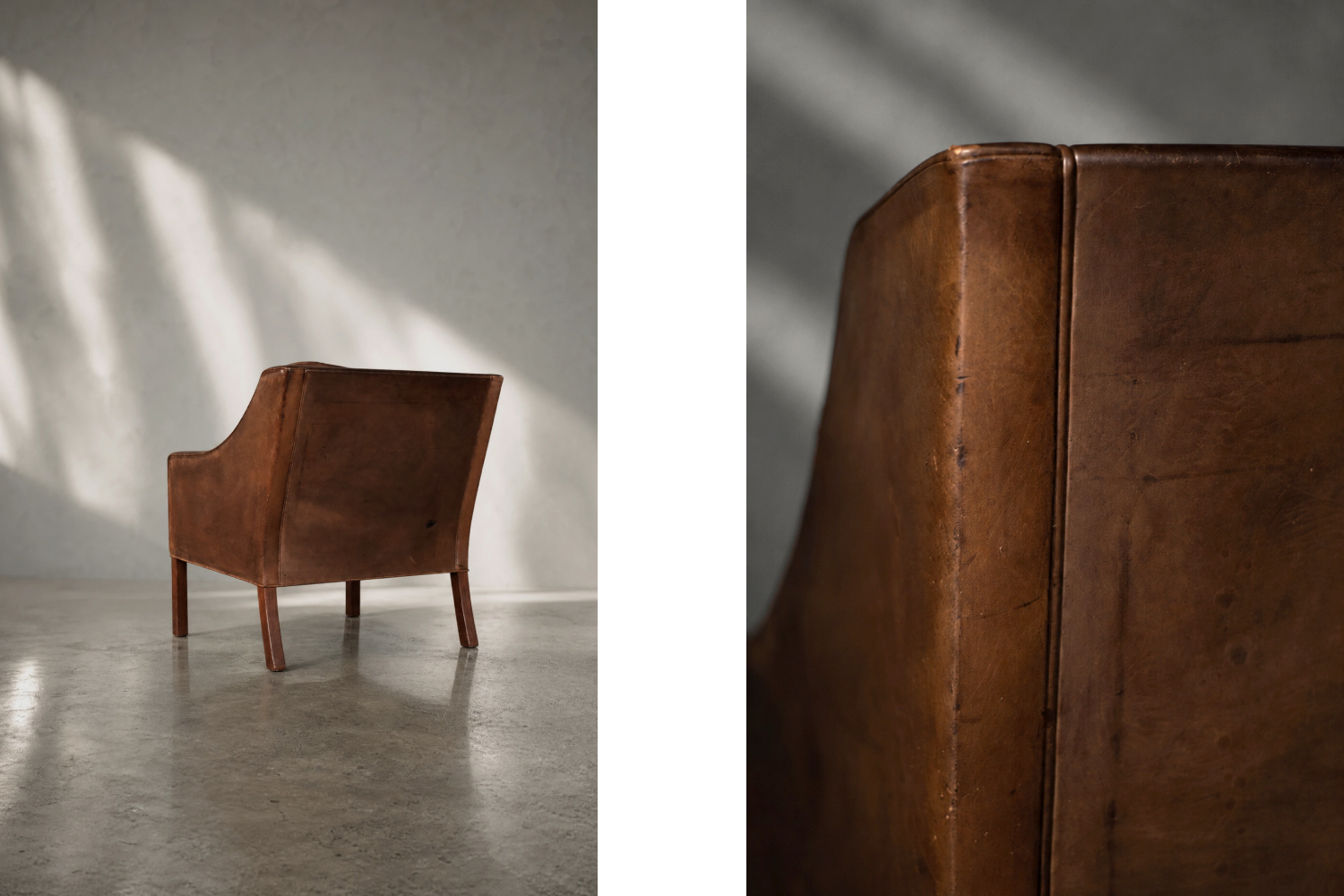
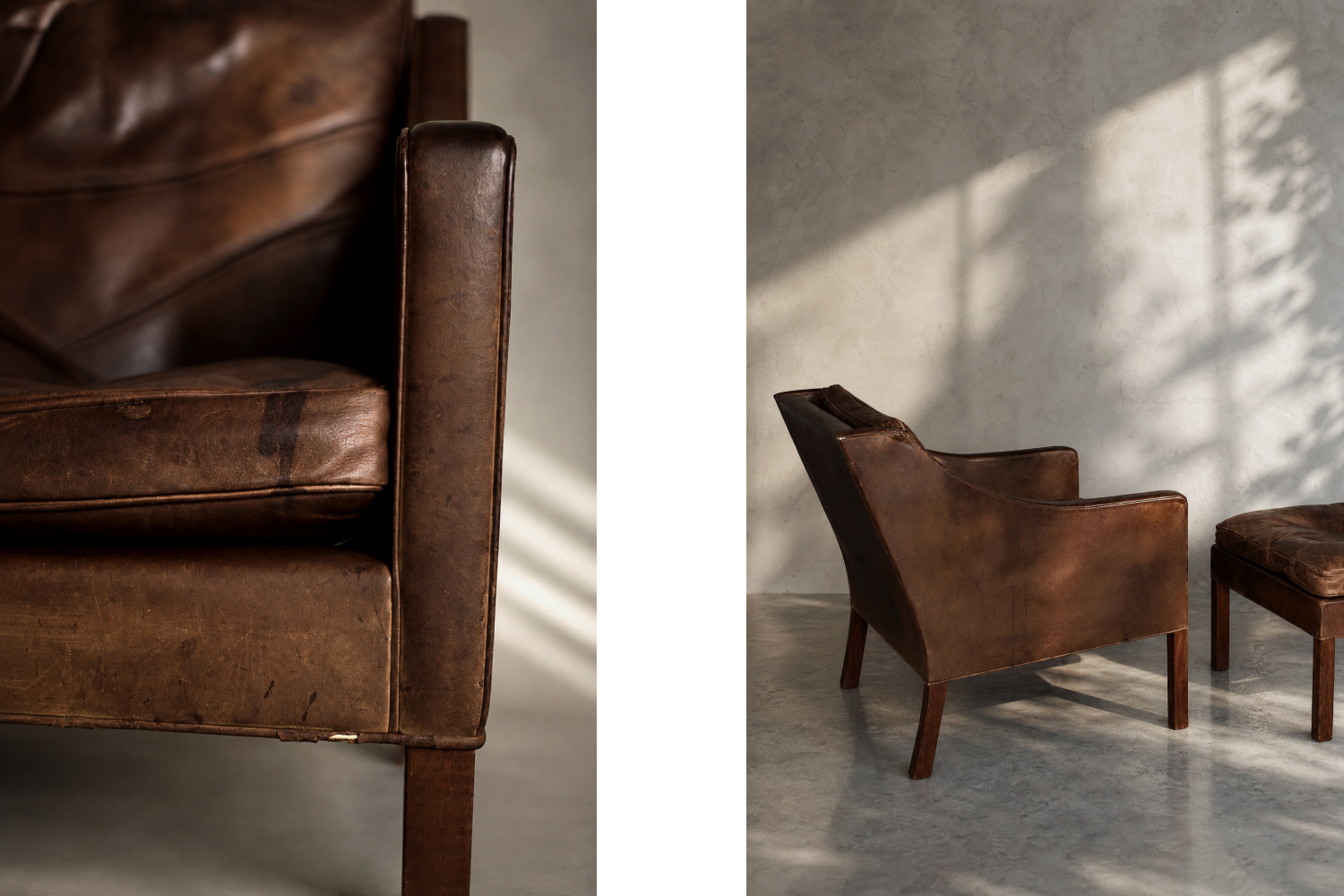
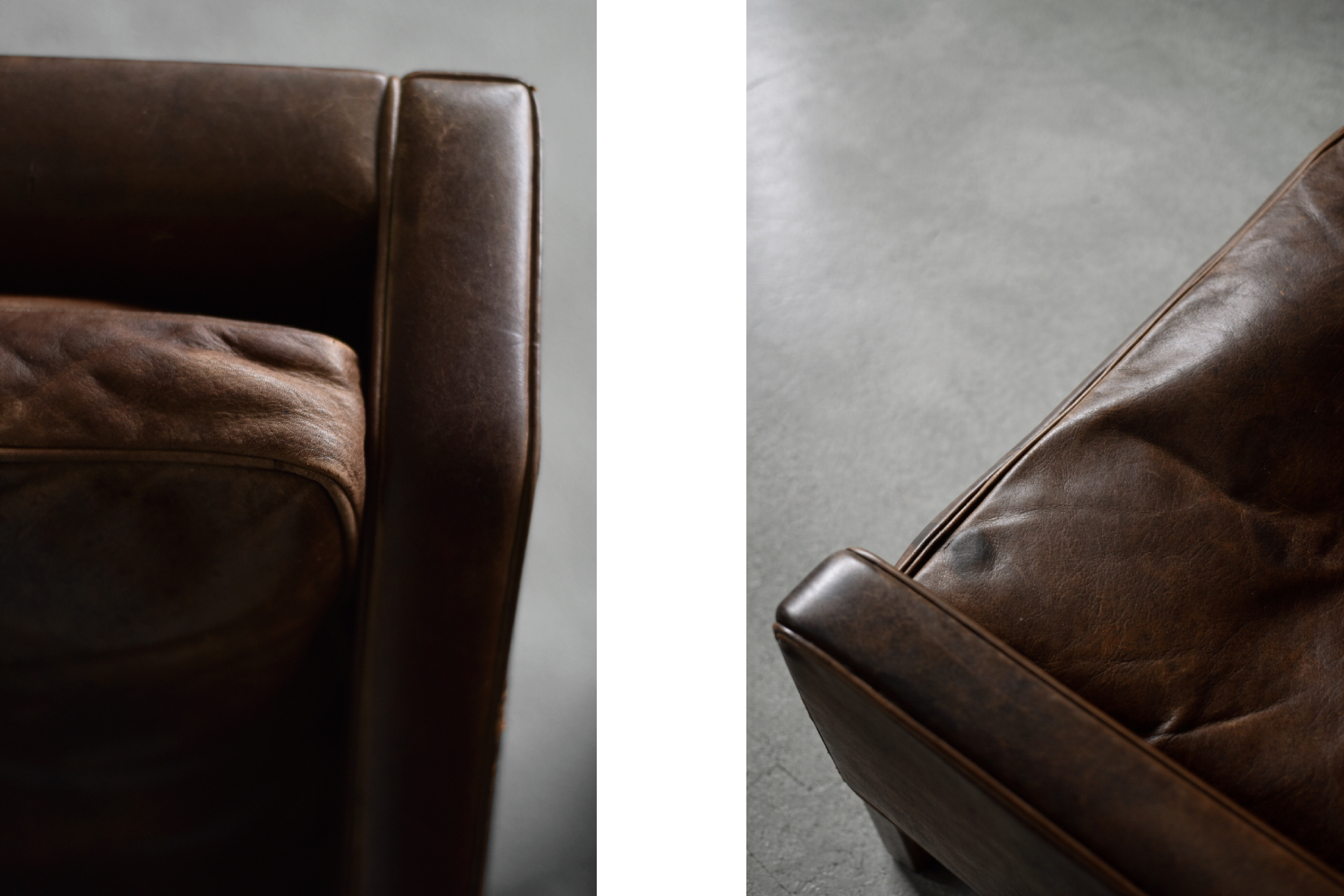
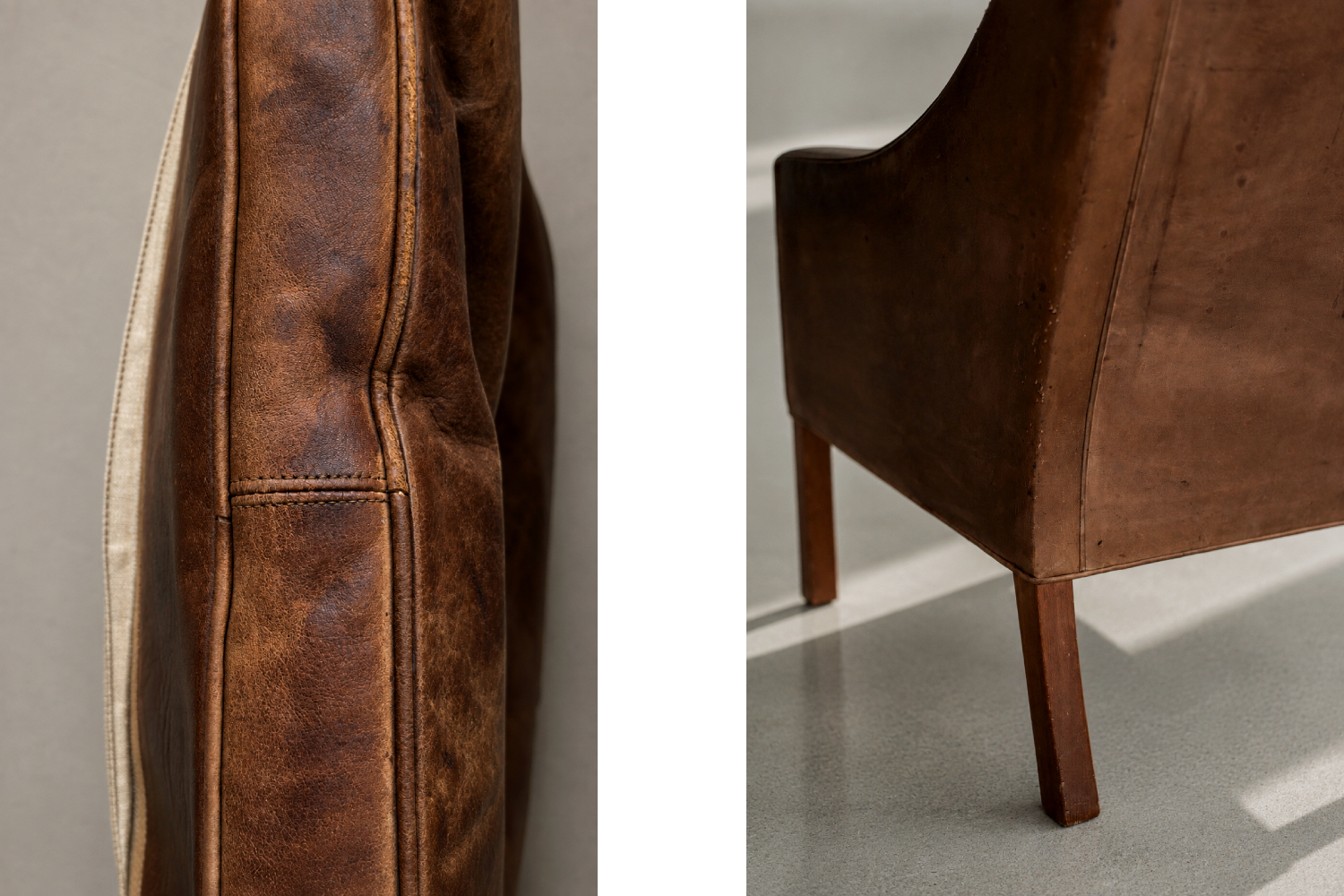
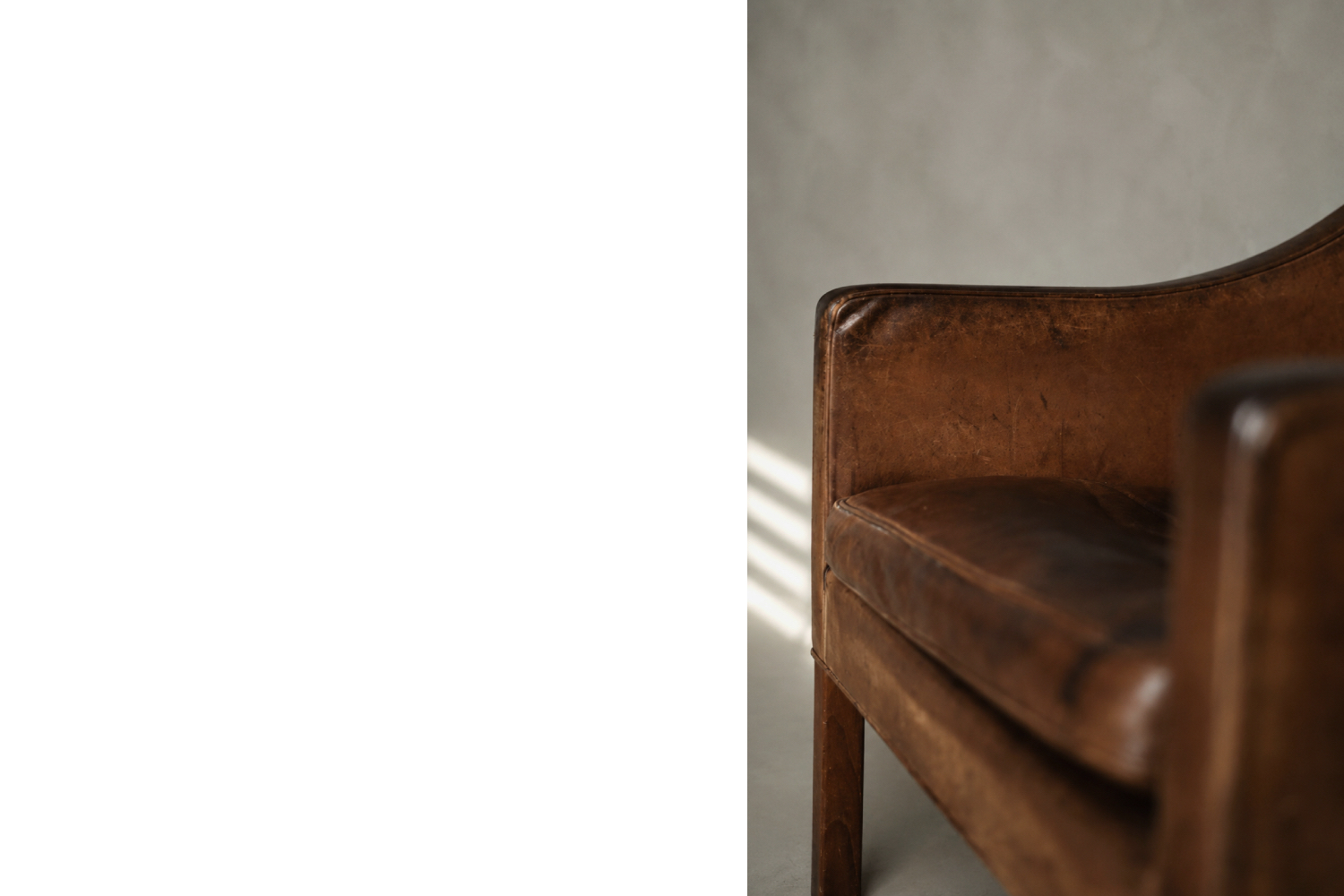
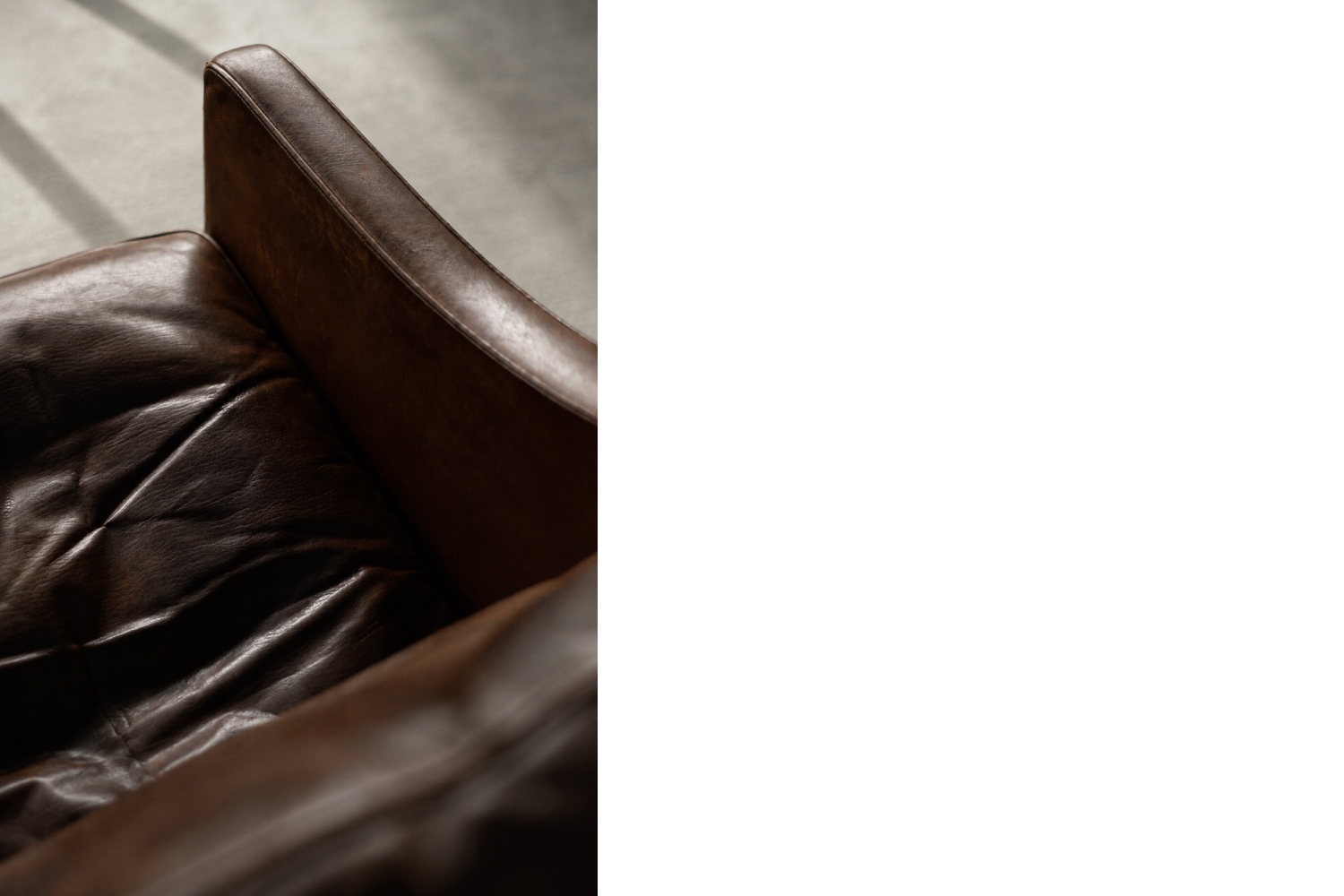
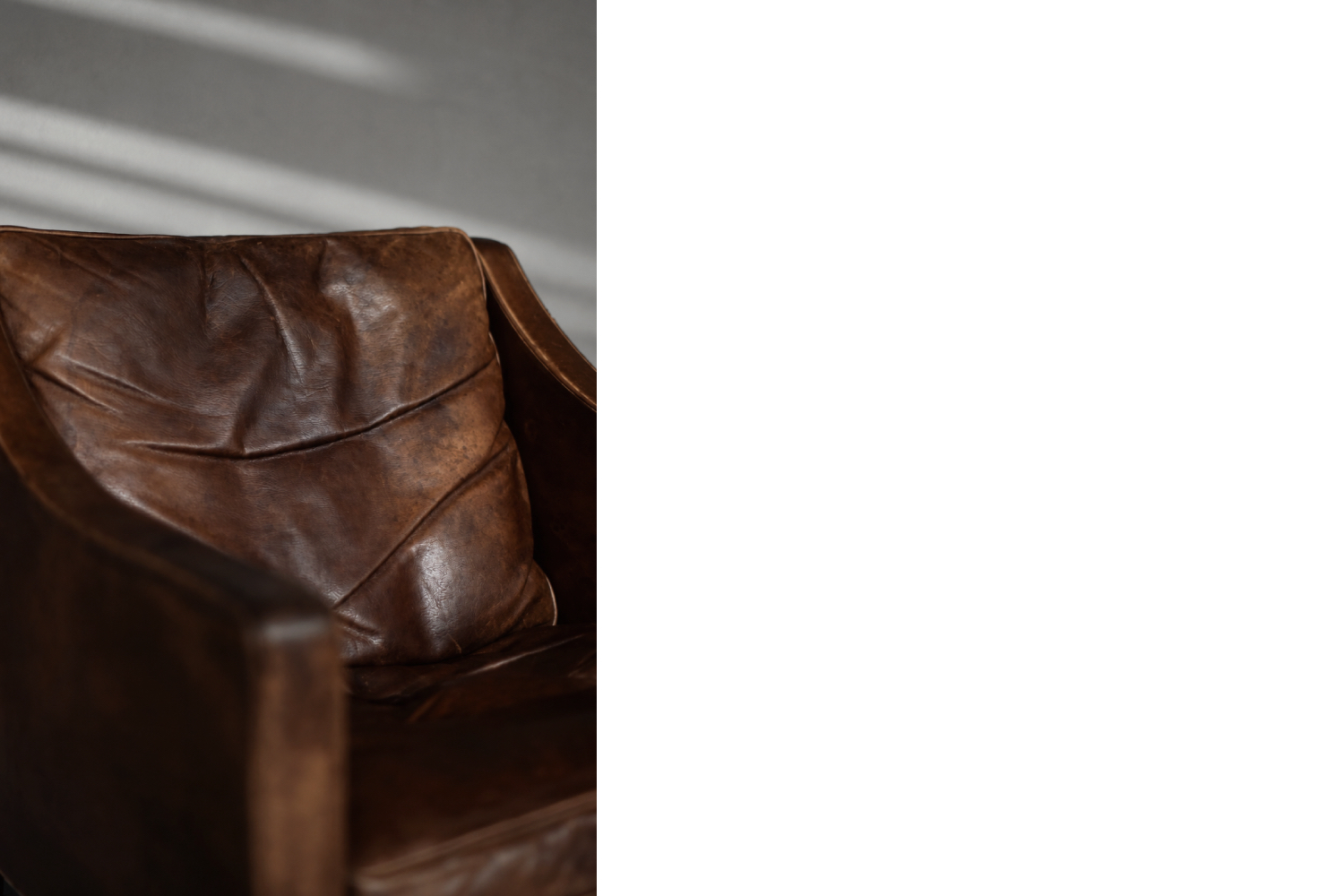
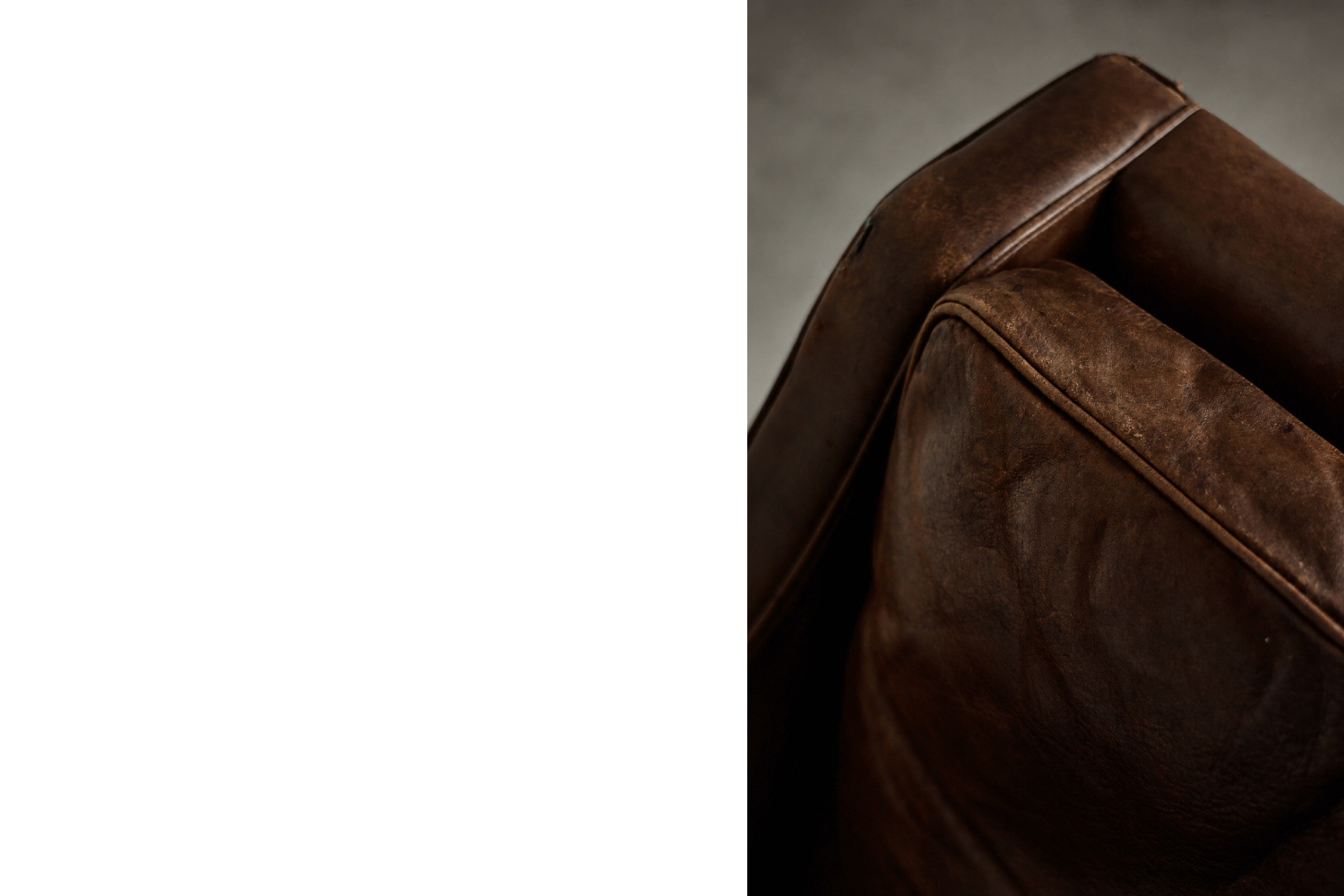
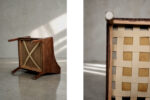
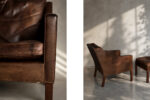
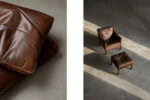
The distinctive silhouette of the 2207 lounge chair combines simple, strongly defined sides with soft seat and back cushions filled with feathers. The wooden legs visually lift the substantial form, giving the whole piece a sense of lightness and the elegance typical of Scandinavian modernism. The chair is built on a stable solid-wood frame which, combined with its robust upholstery, makes this piece not only beautiful but also exceptionally durable. It is a piece with a strong presence, yet without ostentation. In an interior, it can serve as a classic lounge chair, a collector’s item or a single accent in a refined, contemporary space.
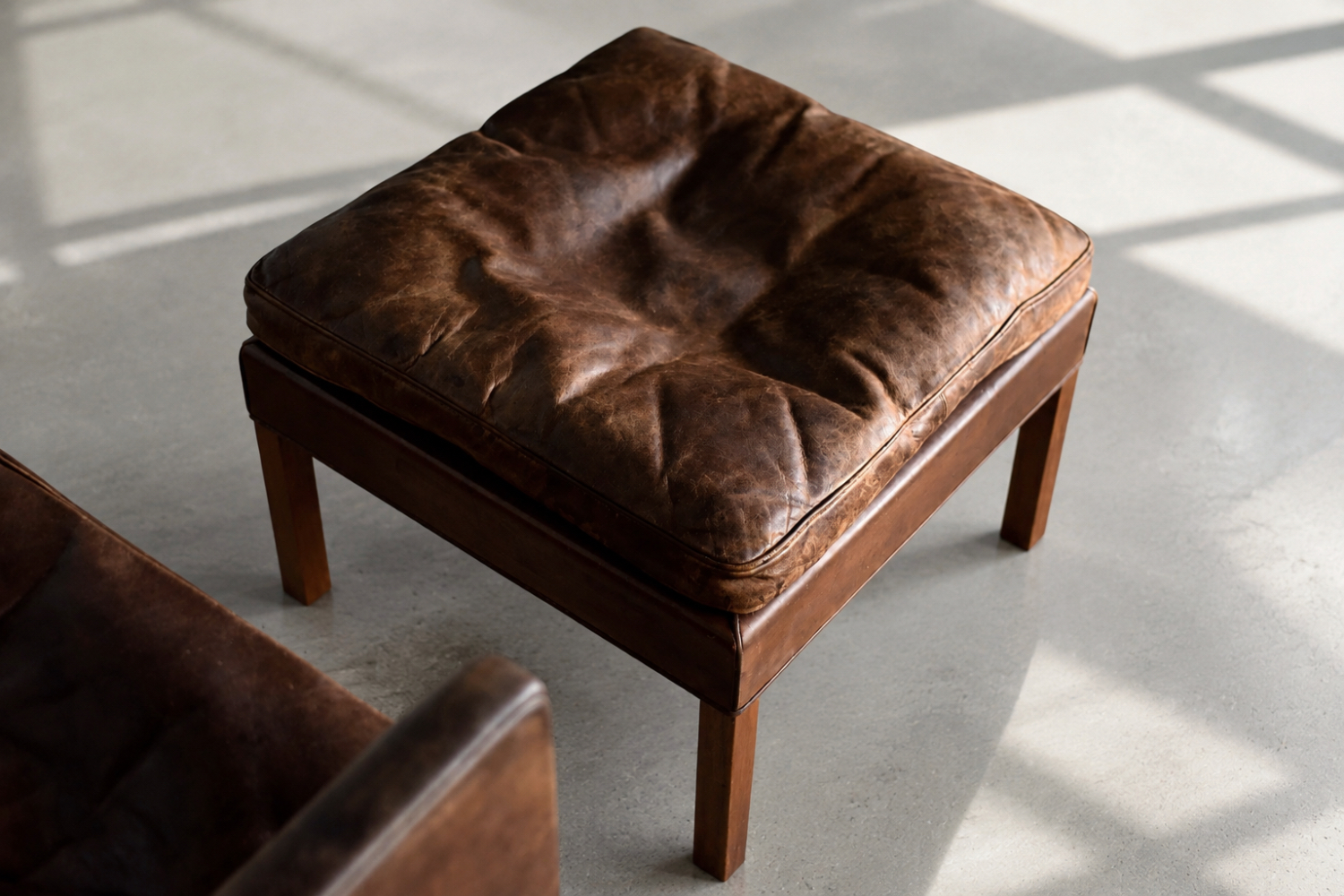
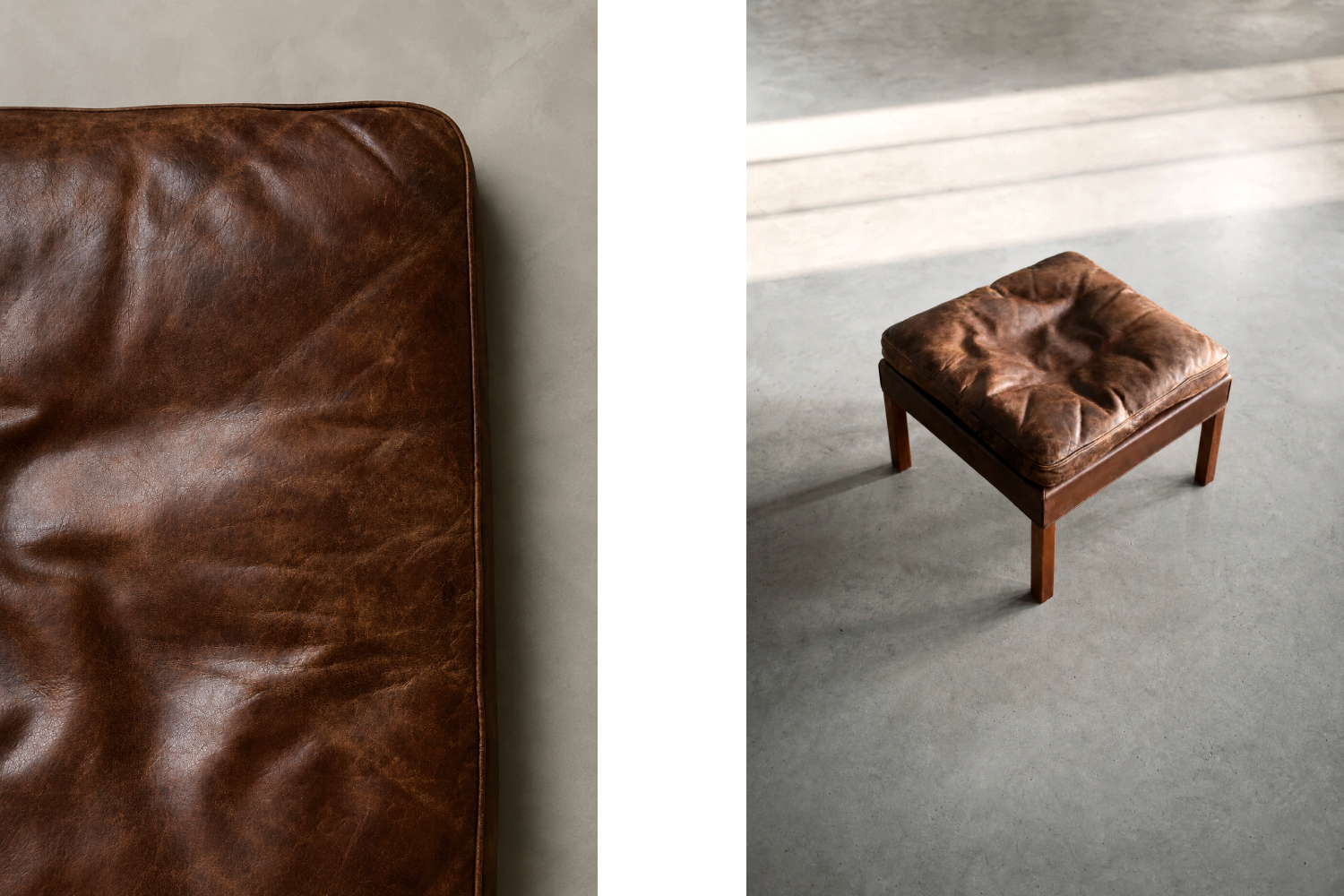
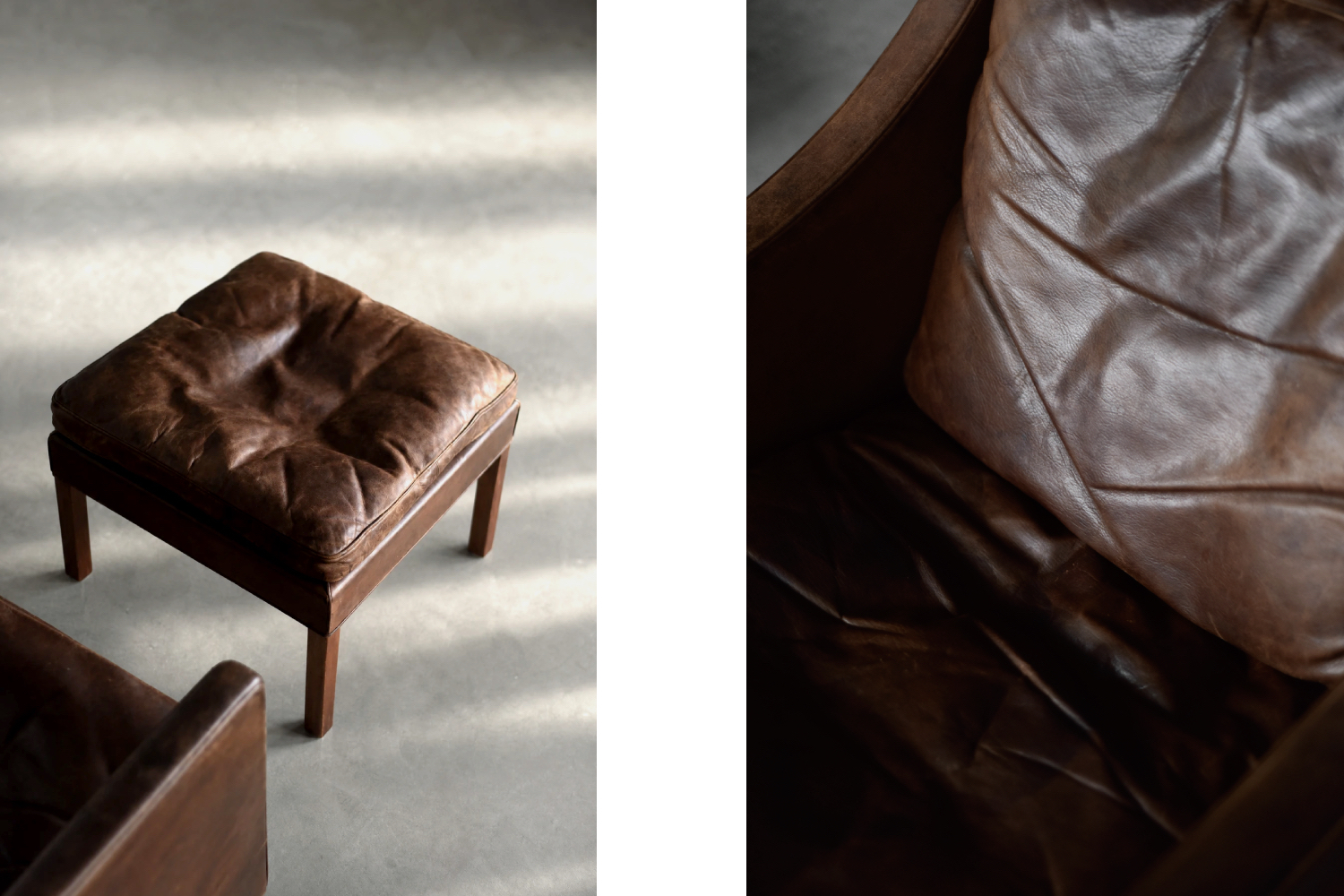
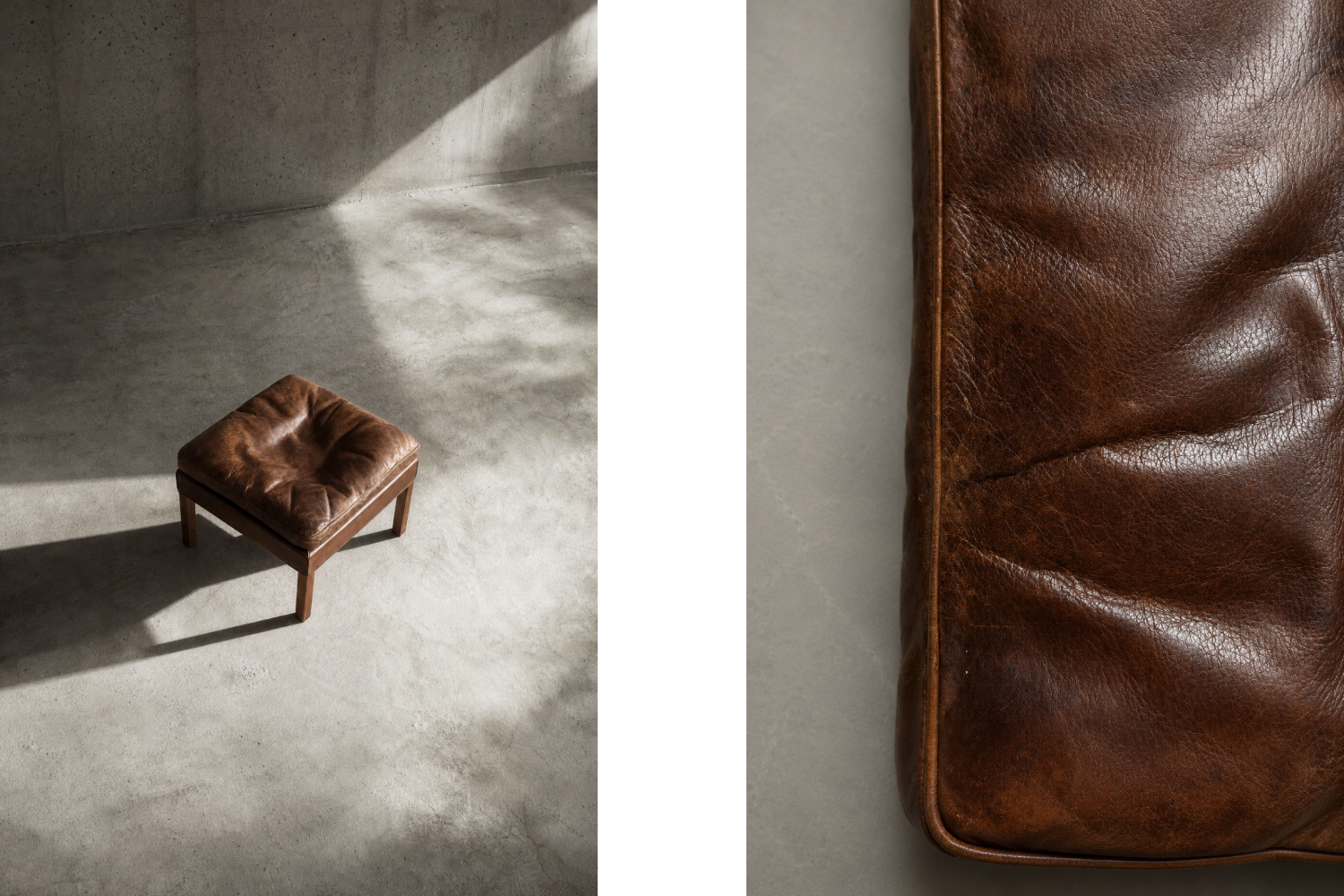
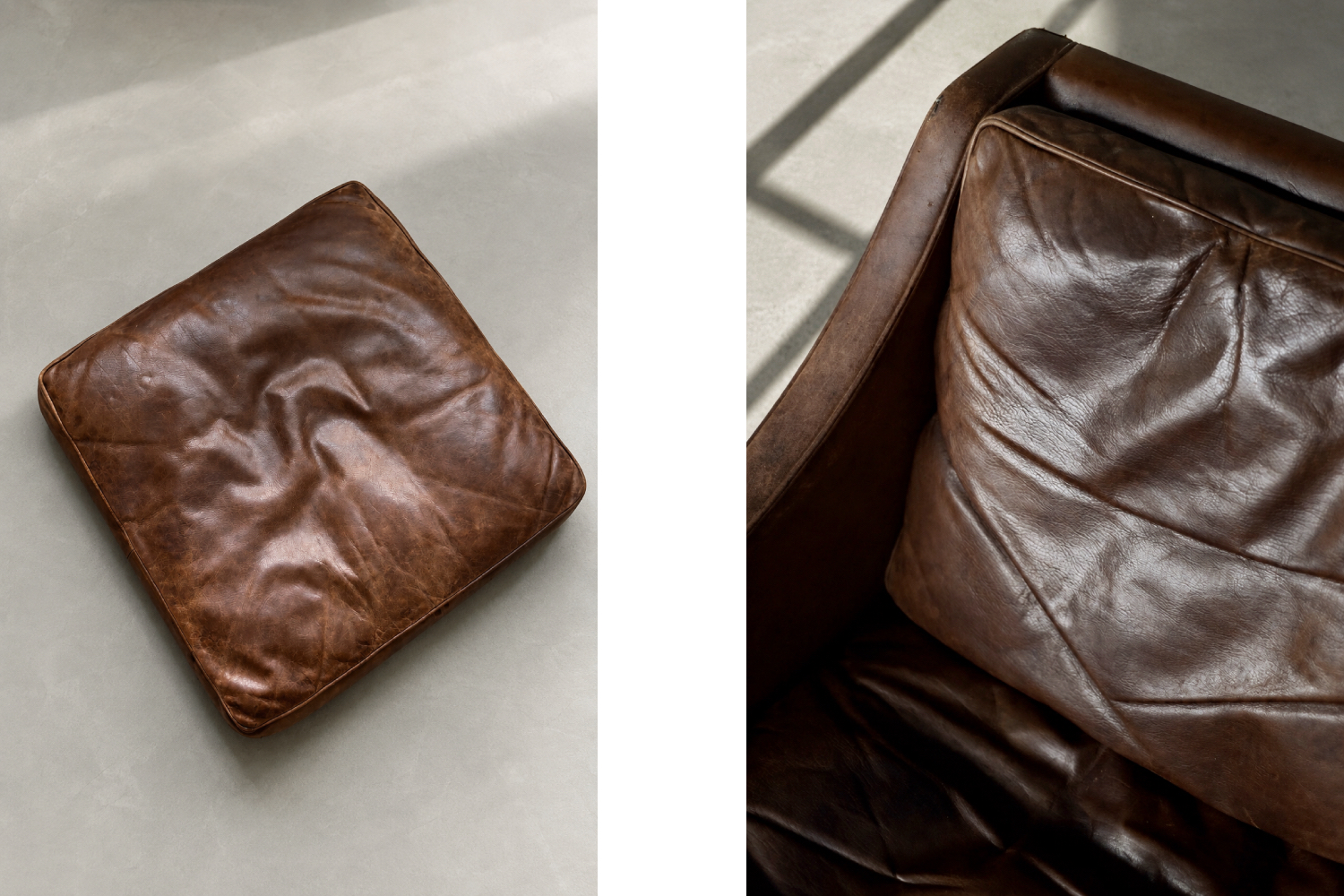
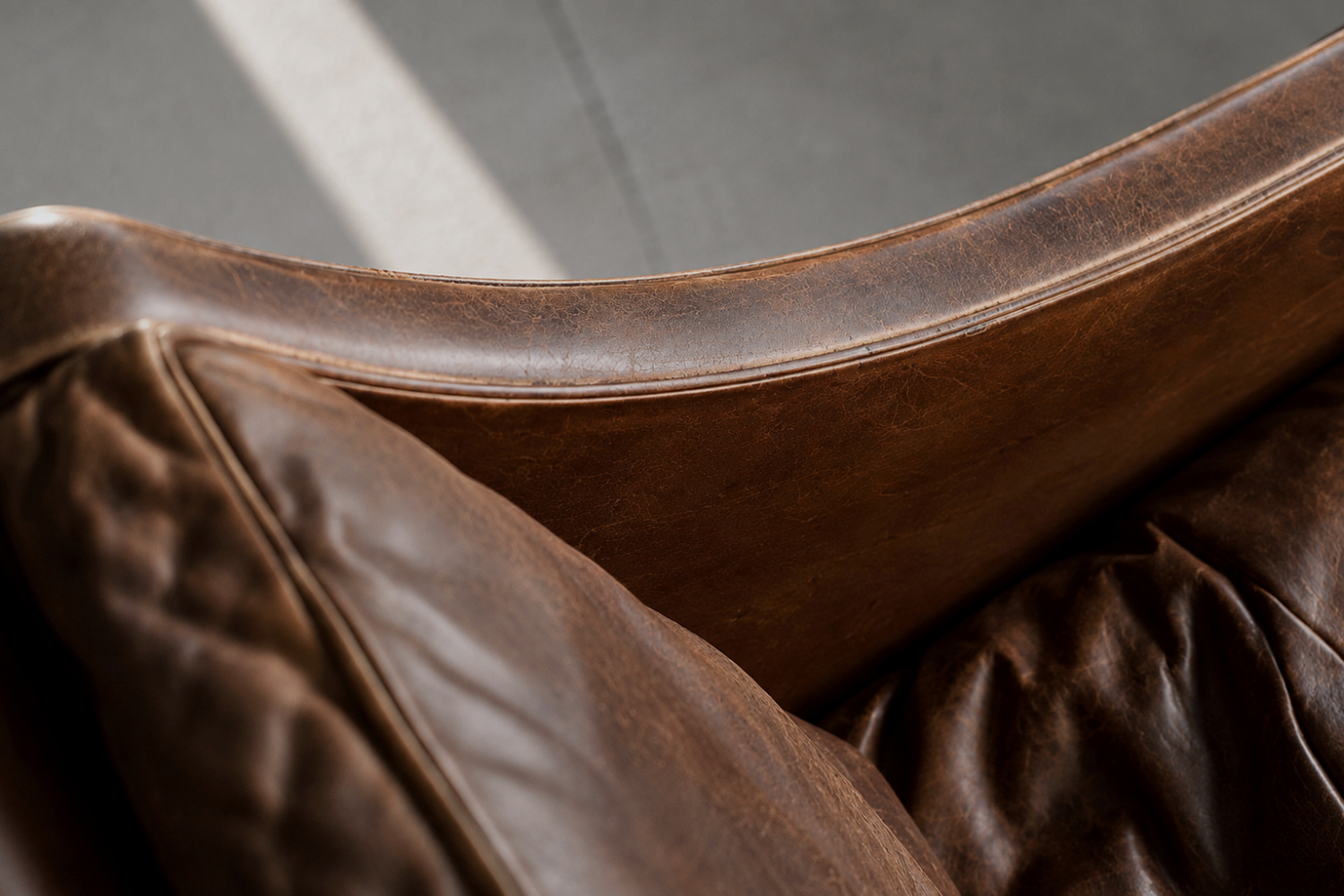
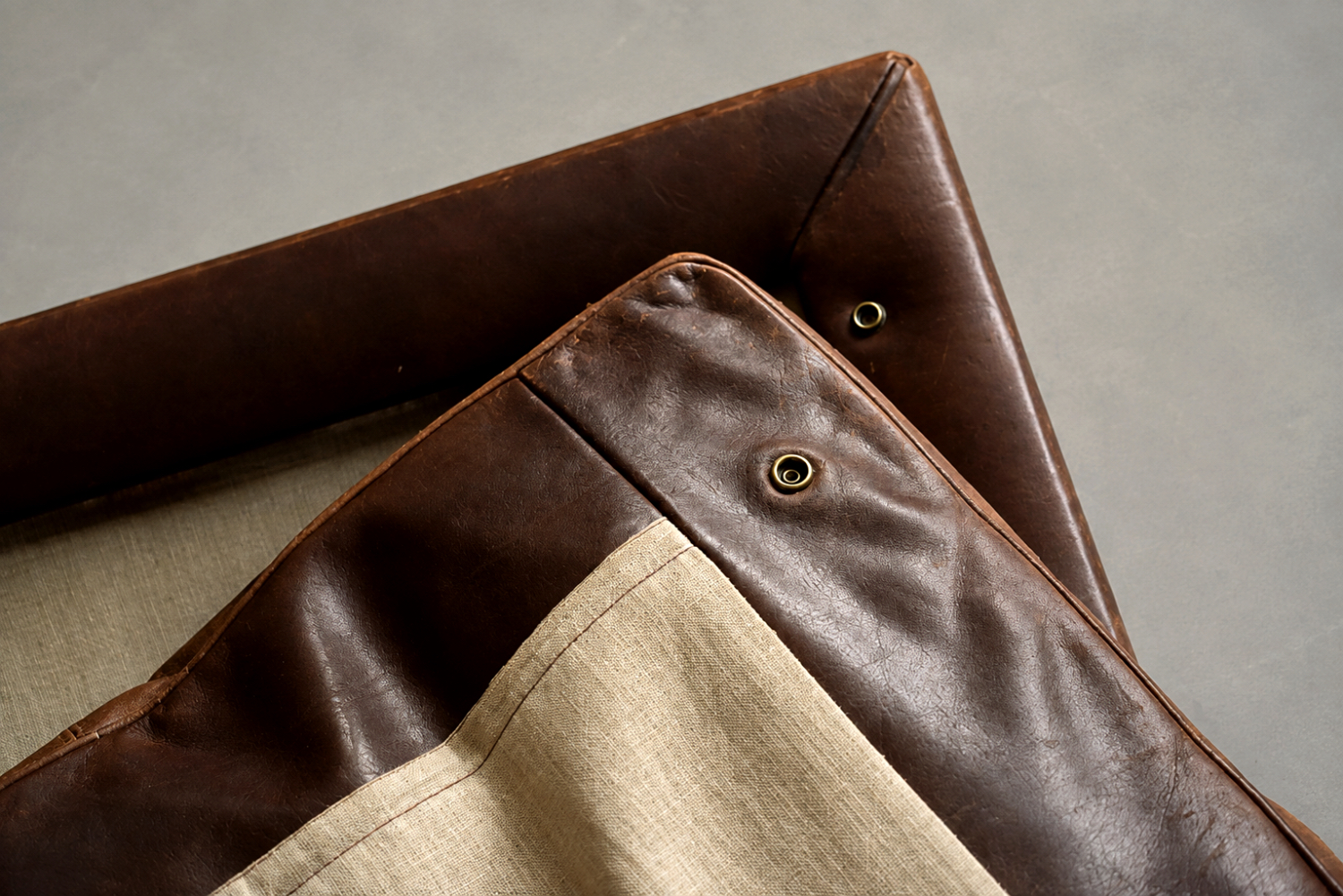
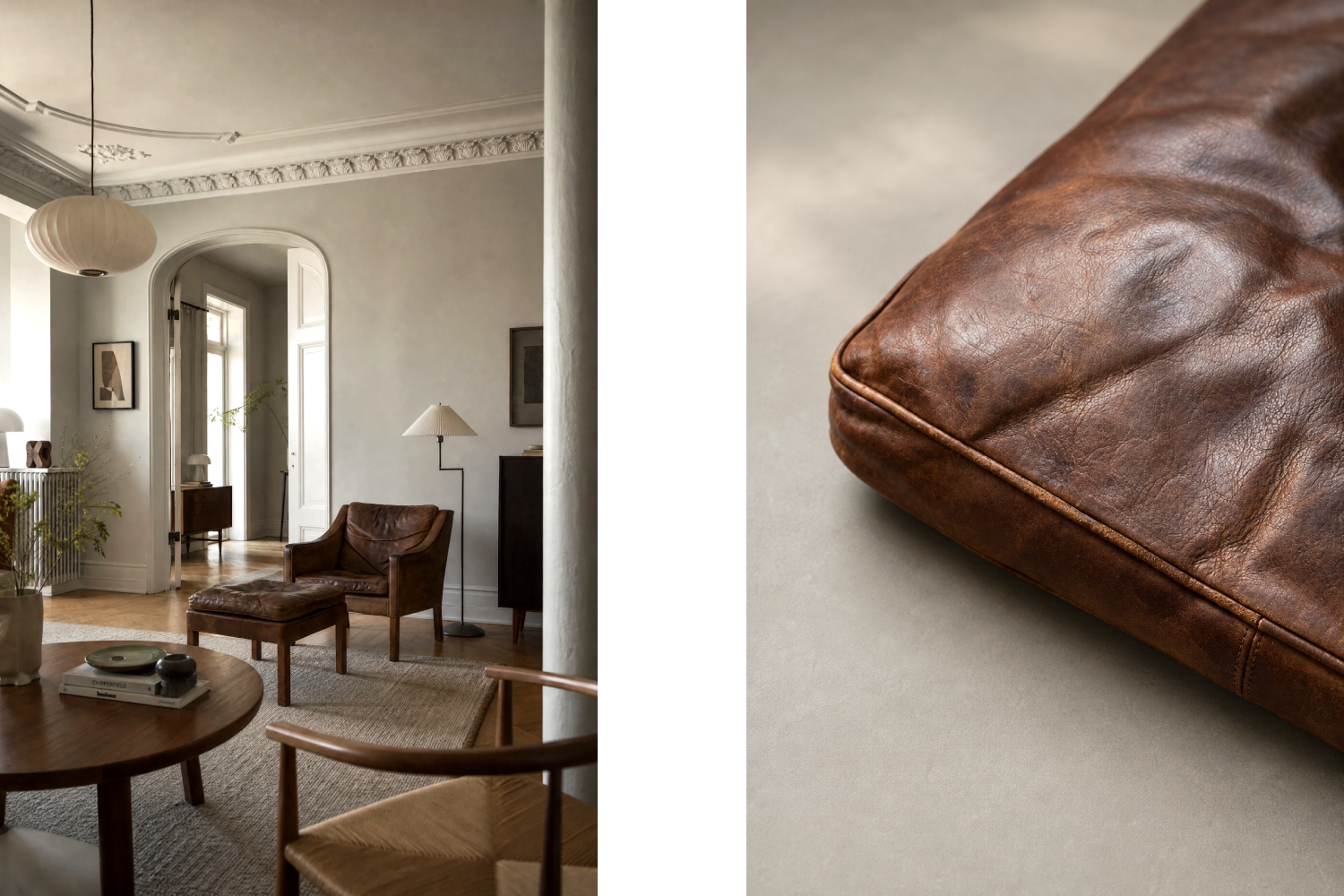
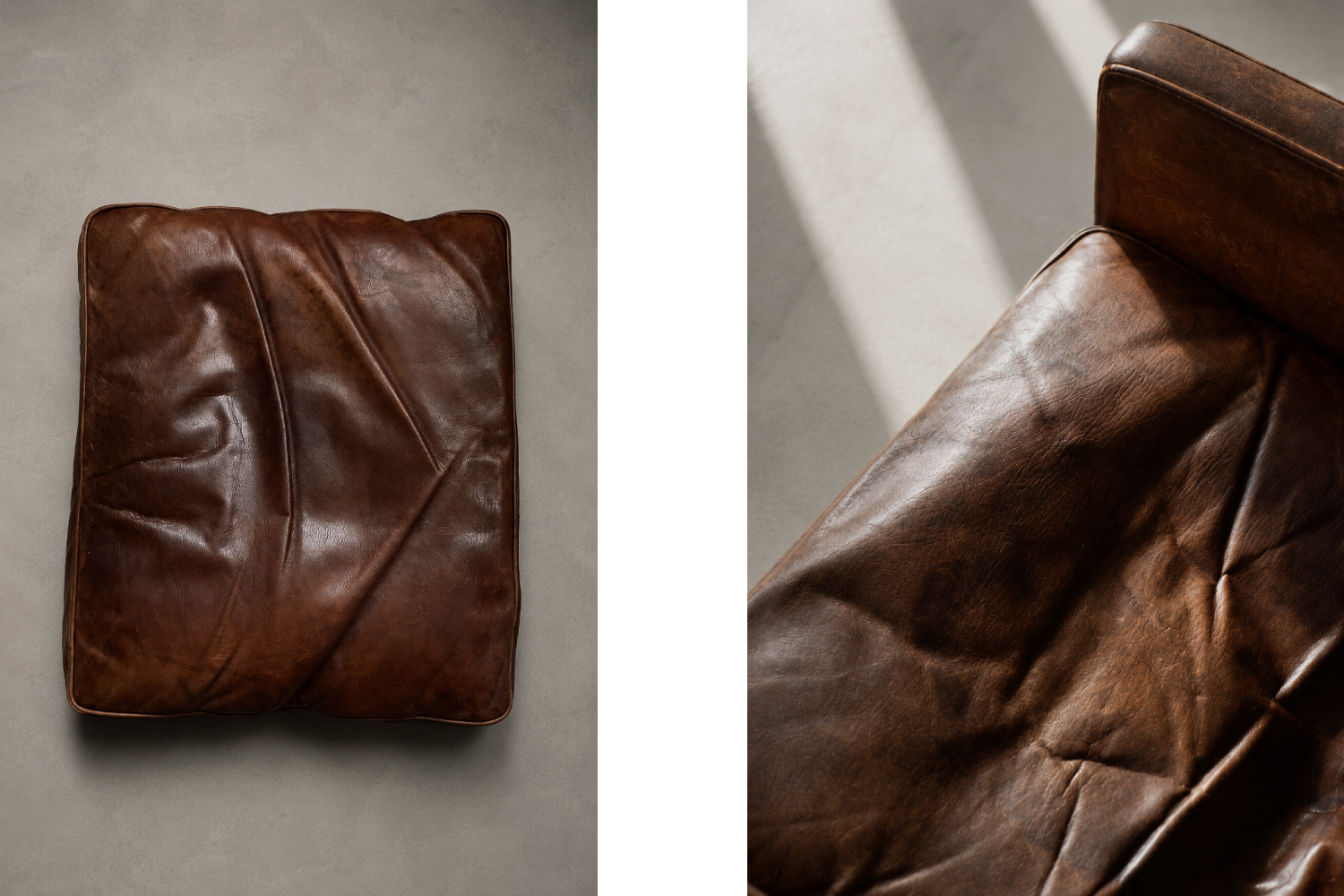
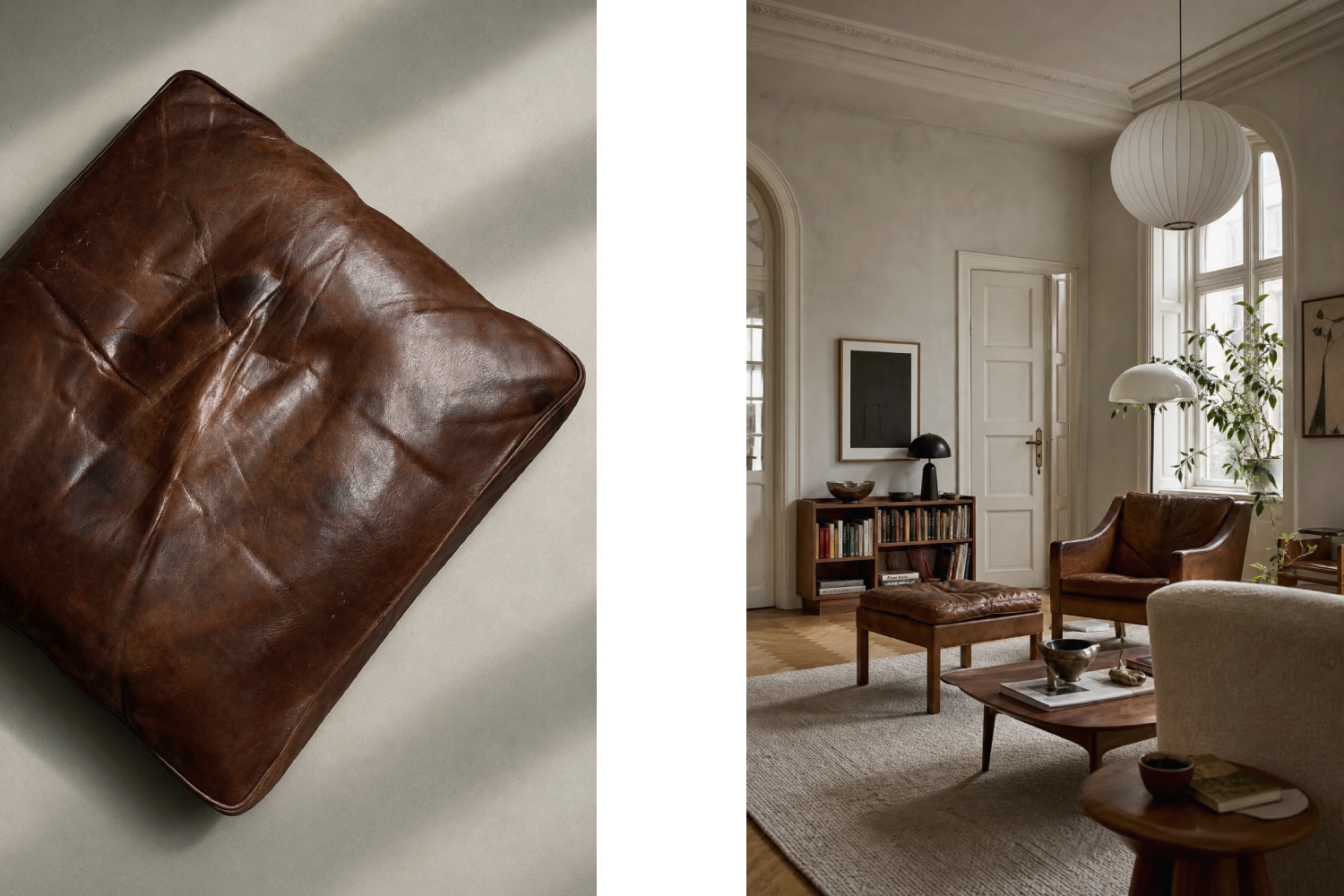
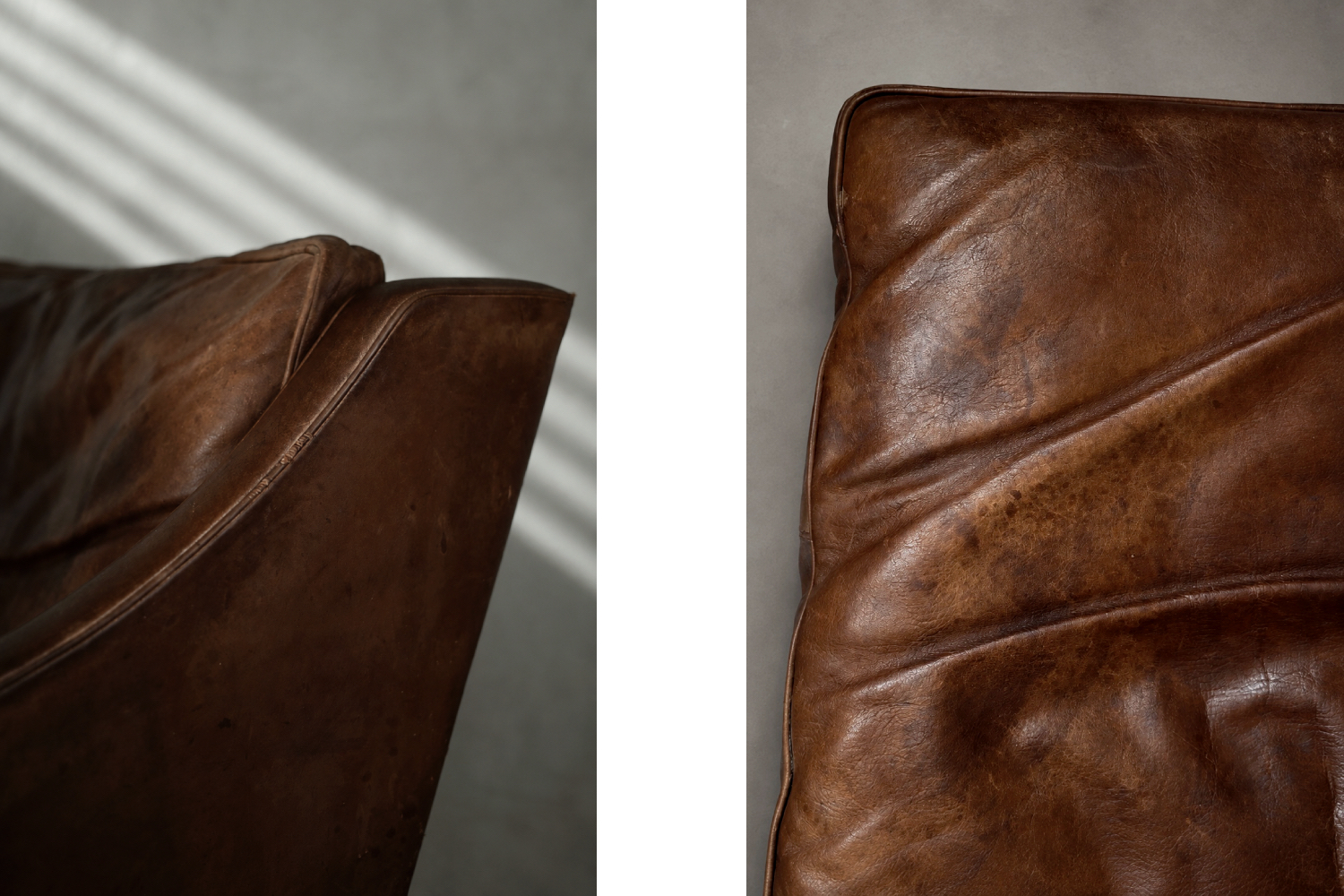
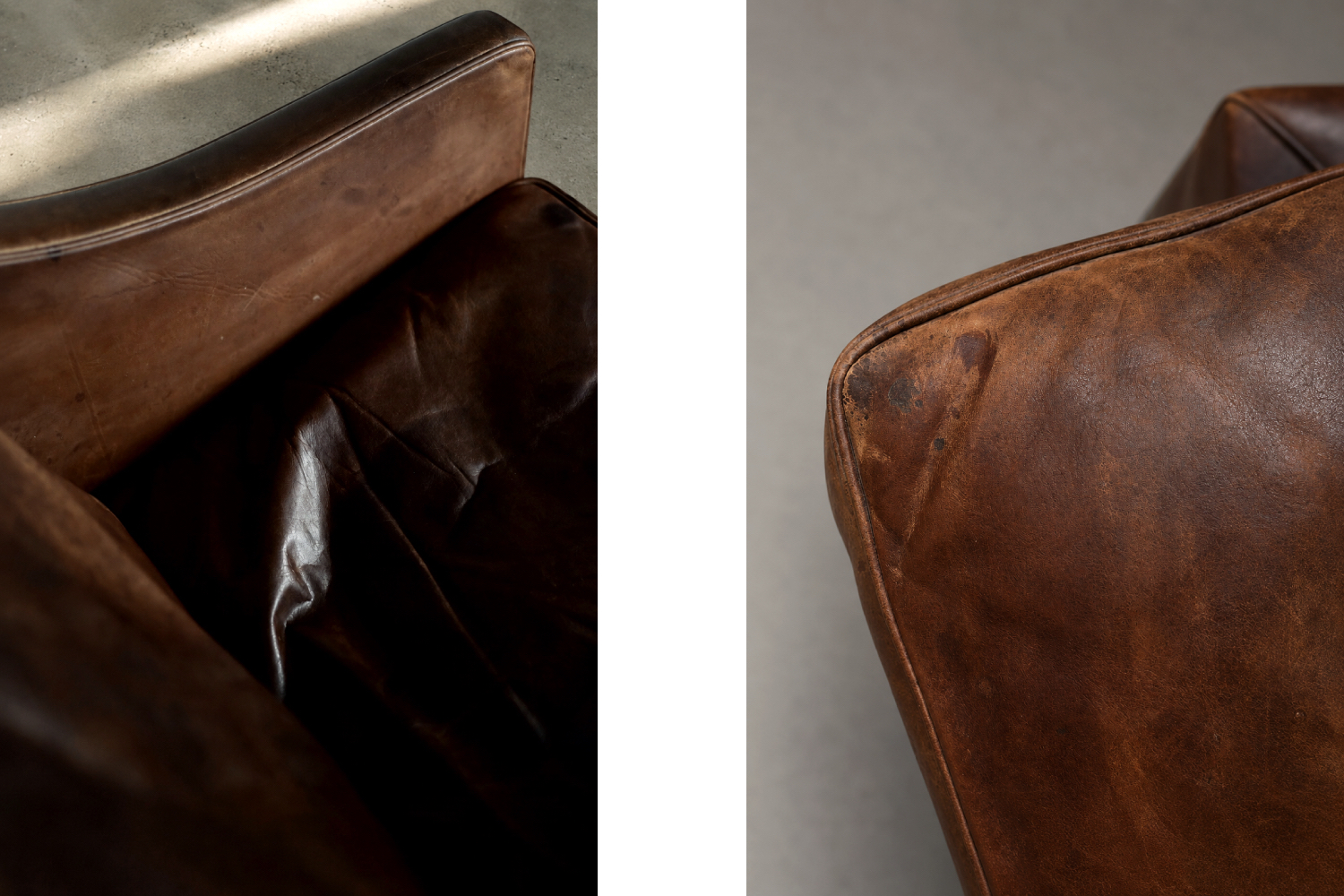
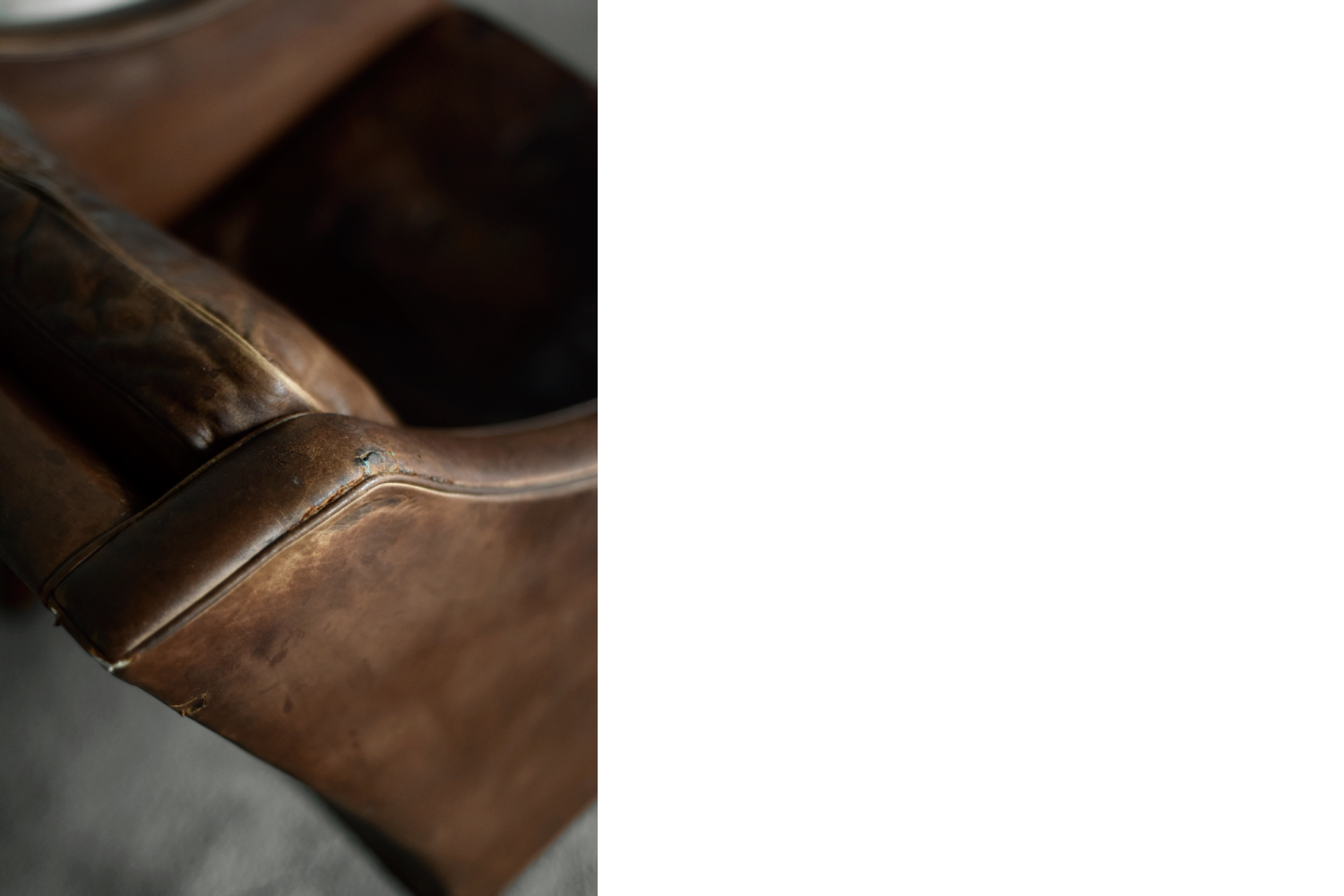
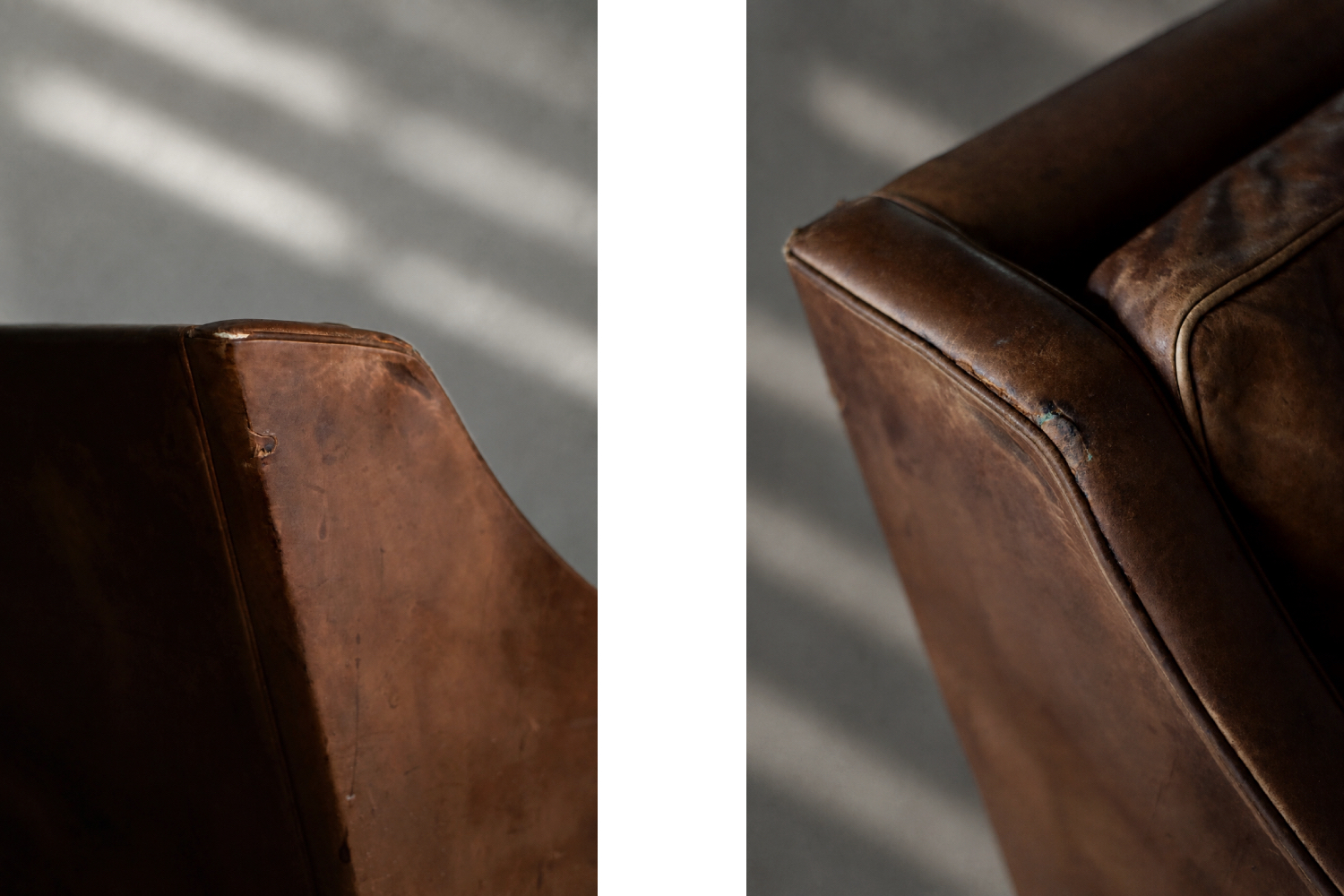
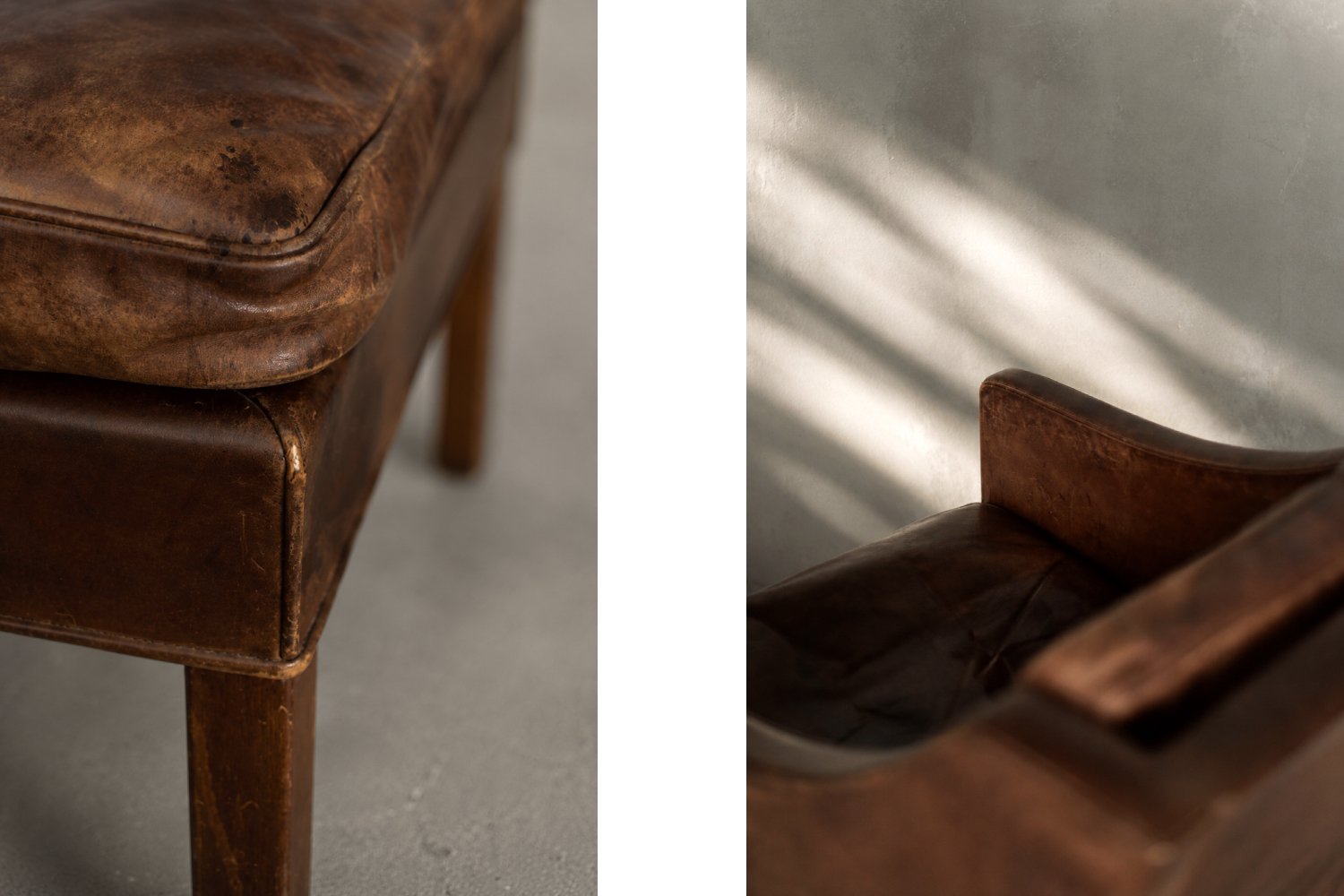
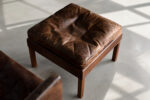
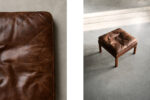
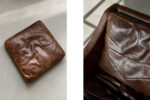
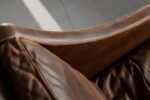
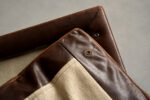
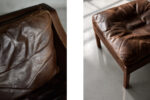
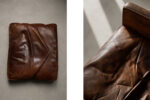
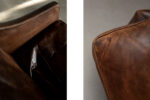
The set is completed by a matching footstool, which not only increases comfort but also completes the cohesive form of the set. The upholstery is made of natural, high-quality leather in a warm brown shade. Over the years, the leather has developed a beautiful, natural patina that not only attests to the authenticity of the piece but also gives it exceptional character. The creases and areas of wear visible on the leather record the history of its use, making this set unique.
This set is not merely a comfortable place to rest; it is an iconic collector’s object that brings an atmosphere of refinement and timeless taste to an interior. It works equally well in classic, minimalist or industrial spaces, serving as a deliberate counterpoint rich in history and value. The 2207 lounge chair is an example of modern design heritage: a functional object that has become a work of art. Model 2207 is intended for those seeking not only a comfortable chair, but above all an original object of Danish design with clearly documented design provenance.
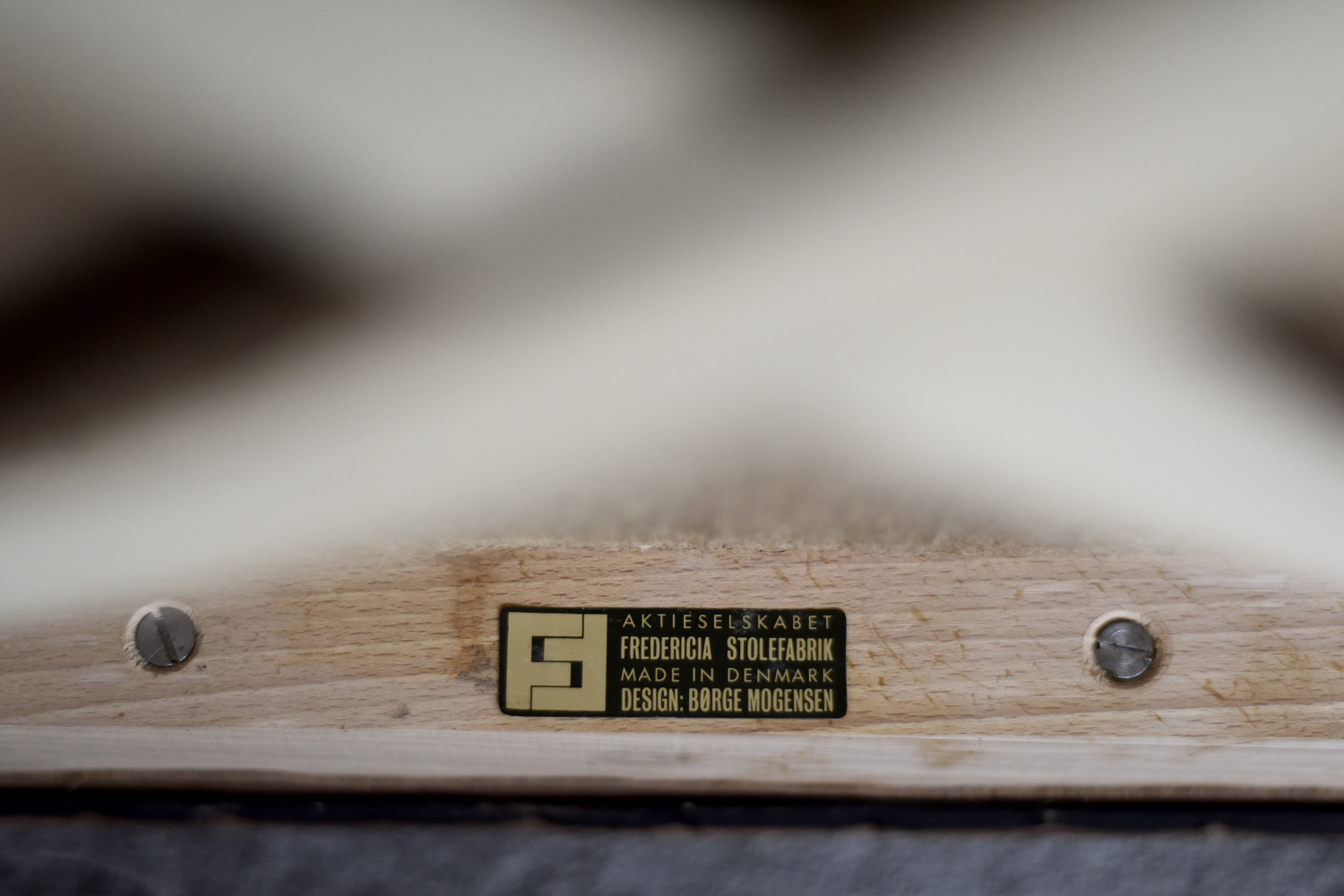
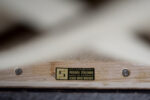
The example offered bears its original maker’s mark.
Chair dimensions:
height: 77 cm
width: 69 cm
depth: 75 cm
seat height: 42 cm
Footstool dimensions:
height: 40 cm
width: 57 cm
depth: 57 cm
Børge Mogensen lived from 1914 to 1972. He was one of the pioneers who laid the foundations of Danish design as a culture of furniture design. His lifelong ambition was to create durable and useful furniture that would enrich everyday life. Mogensen’s ideal was to create furniture with a restrained aesthetic. He believed that furniture should create a sense of calm and have a modest appearance that encouraged people to live unpretentious lives. In 1950, Mogensen opened his own private design office, and shortly afterwards, in 1952, he began working with the young interior architect and entrepreneur Andreas Graversen, who later became the owner of Fredericia Furniture. Mogensen received the Eckersberg Medal in 1950 and the C.F. Hansen Medal in 1972. In 1971, he and Andreas Graversen received the Danish Furniture Prize for their contribution to the Danish furniture industry; in 1972, Mogensen was appointed Royal Honorary Designer. Examples of Mogensen’s designs can be seen in leading design museums around the world.
The company Fredericia was founded in 1911 as Fredericia Stolefabrik by entrepreneur NP Ravnsø, who successfully ran the business until his death in 1936. From the very beginning, Ravnsø wanted his company to be known for exceptionally high quality, and during his tenure he employed only the most highly skilled craftsmen. This made Fredericia Stolefabrik renowned for high-quality furniture in a variety of styles. Fredericia’s first luxury collection was based on methodologies popular in Denmark in the 1920s, namely antique furniture in Central European and English styles. Fredericia obtained exclusive rights to produce and distribute the chair collection of the German brand Thonet in Scandinavia. Under the leadership of Børge Mogensen, Danish Coop FDB initiated a furniture programme aimed at revitalising Danish furniture culture and creating modern, functional and useful furniture.
The set has been preserved in its original vintage condition. It shows signs associated with age, including delicate scuffs, cracking and discolouration of the leather. Due to its historical value and museum-like character, the piece has not been restored. The leather has been treated with professional conservation products.
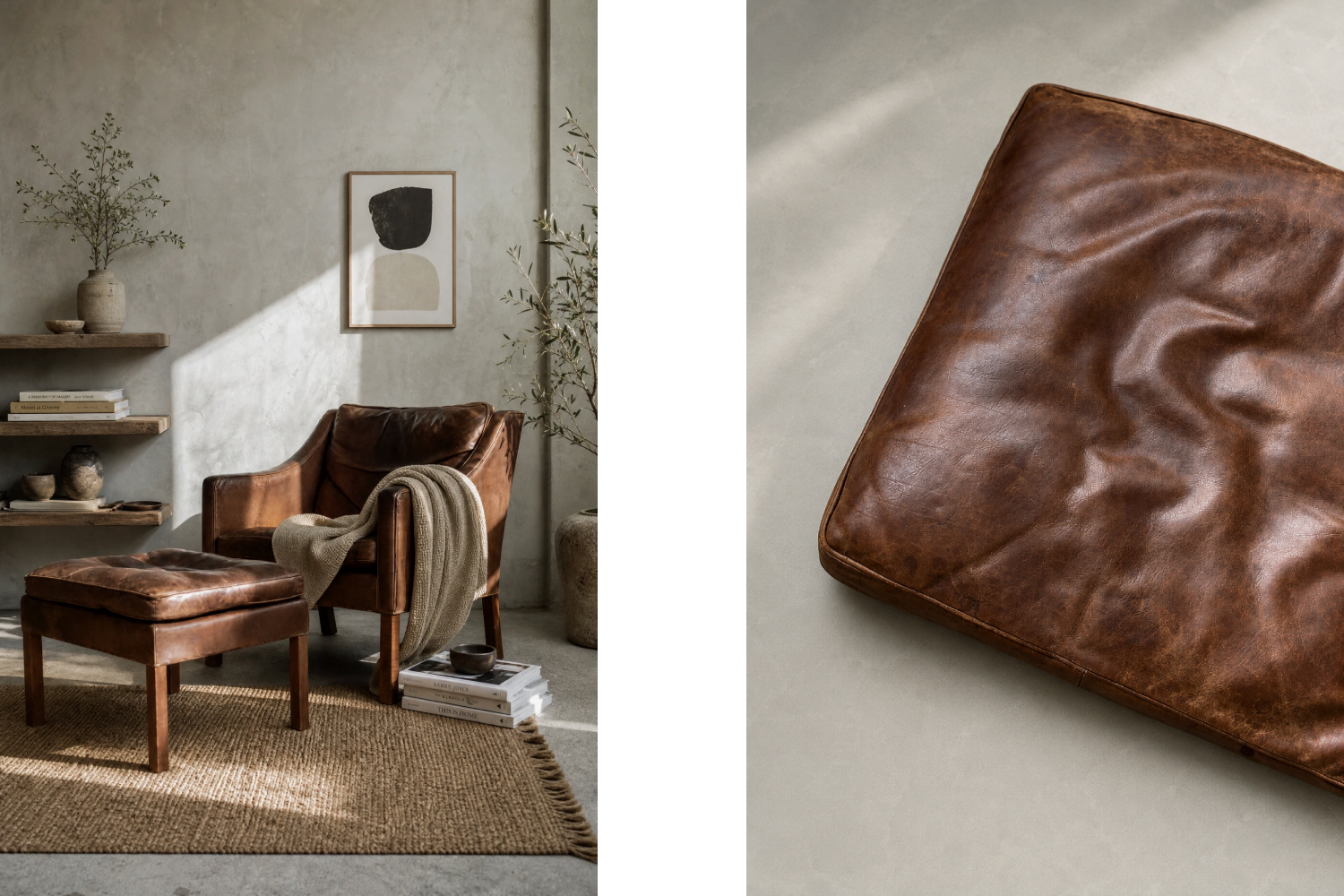
The colours of the products visible in the photographs may differ slightly from the actual colours. This is due to individual monitor settings and the type of lighting—the photographs were taken under artificial light, which may affect the perception of the shades. We nevertheless endeavour to ensure that the photographs reflect the actual appearance of the product as accurately as possible. The listing may include photographs of the item shown in an interior. These are for illustrative purposes only.
Model 2207 was published in Fredericia’s catalogue materials, including Fredericia Collection 2018-2019, Collection 2021 and Collection Book 2023.
The model is also featured in the technical publication Technical Info Børge Mogensen.
Mogensen’s design is also discussed in Michael Müller’s monograph Børge Mogensen – Möbel mit Format (Hatje Cantz, Berlin 2016, ISBN 978-3-7757-4210-8).
It also appears in Den store danske møbelguide, Per H. Hansen, Klaus Petersen, Lindhardt og Ringhof, 2015, p. 252.
Product information
| Condition | Original - Good [The item shows signs of normal use and material ageing] |
|---|---|
| Manufacturer | Fredericia |
| Designer | Børge Mogensen |
| Country of origin | Denmark |
| Years of production | 1960-1969 |
| Style | Mid-Century Modern |
| Materials | Natural leather |
| Colour | Brown, Clear |
Dimensions
| Width | 67 cm |
|---|---|
| Depth | 75 cm |
| Height | 77 cm |
| Seat height | 42 cm |
We ship worldwide. International shipping cost is calculated at checkout.
Delivery cost within Poland: 81,44 €
Estimated delivery time: Within a week