Collection
Art Deco – vintage furniture and lighting
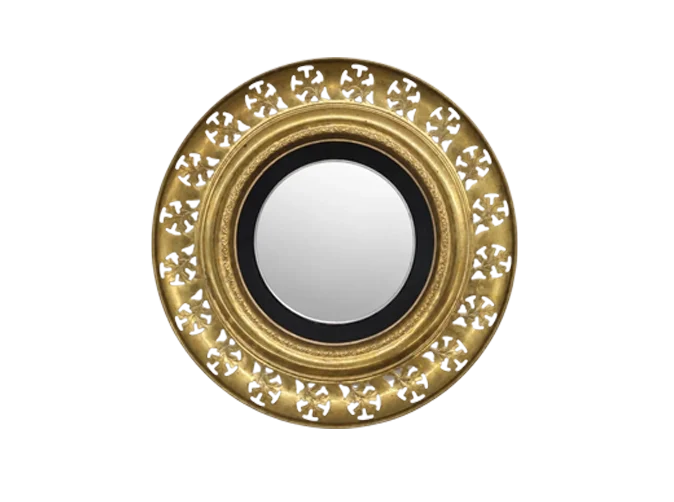
Art Deco is the style in which modernity met luxury – the geometry, rhythm and gleam of the machine combined with the finest materials and the highest standard of craftsmanship. The collection includes Art Deco armchairs, chests of drawers, lamps and mirrors from the 1920s and 1930s. Browse all our furniture in the vintage furniture category.
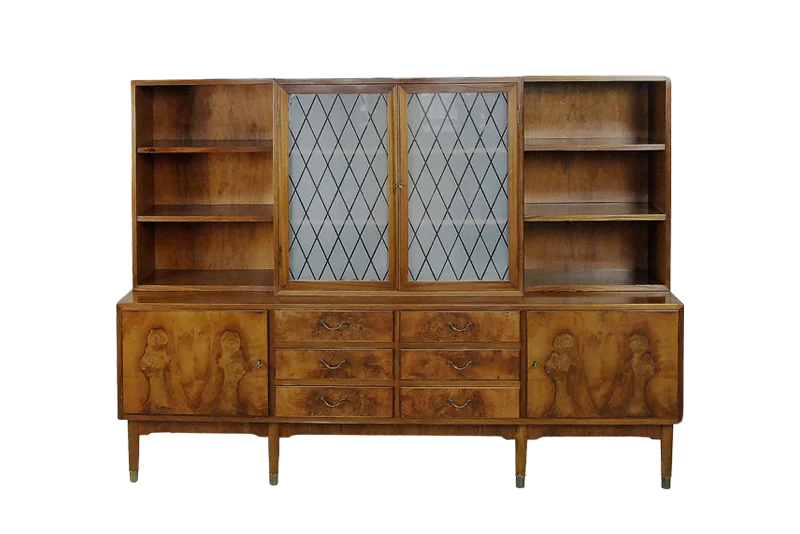
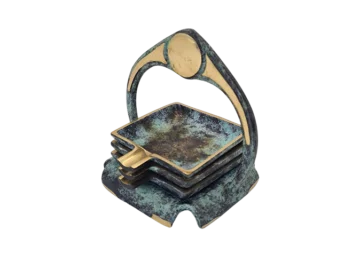
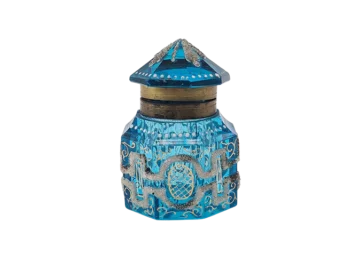
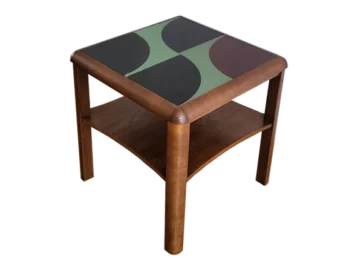
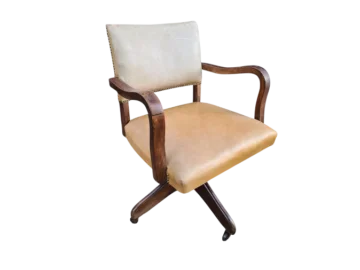
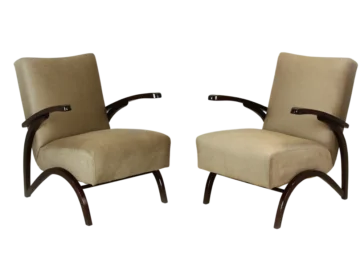
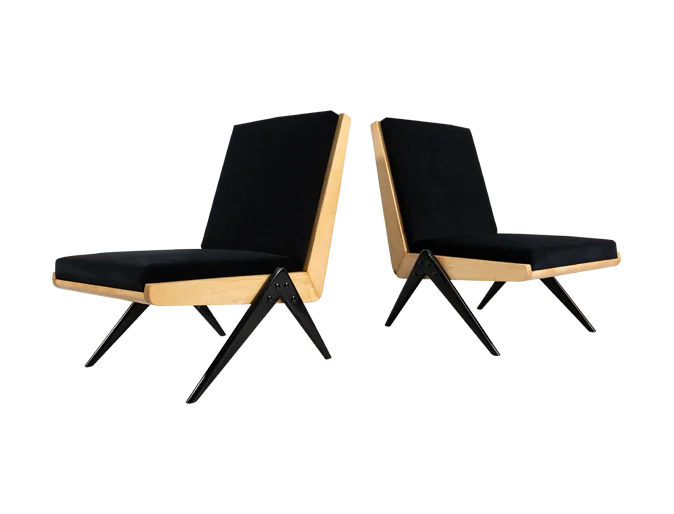
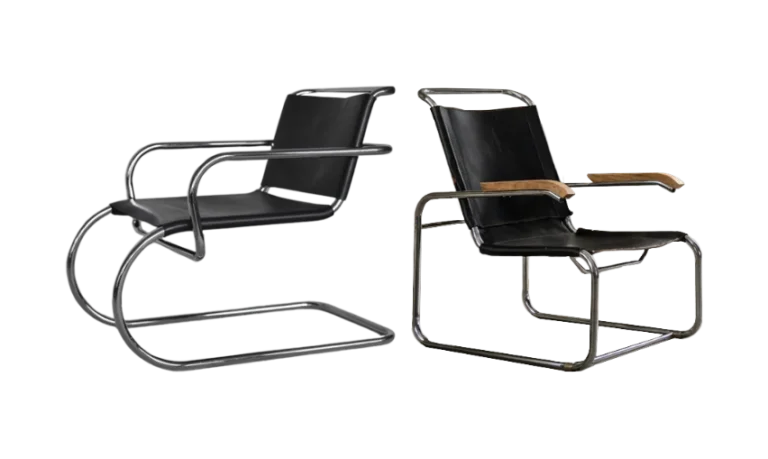
Pair of armchairs, designed by J. Halabala, Czechoslovakia, 1940s
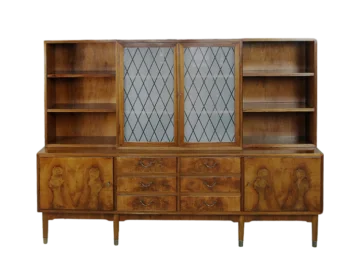
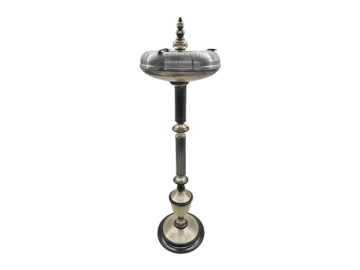
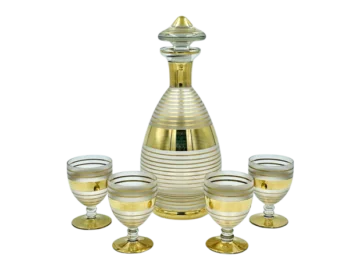
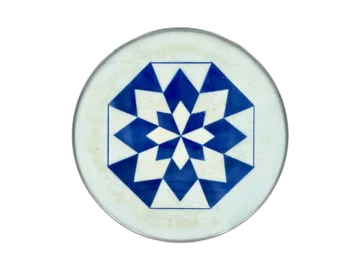
Paris, 1925
The style takes its name from an exhibition held in Paris from April to October 1925: the International Exhibition of Modern Decorative and Industrial Arts. Its rules admitted only modern work – no copies of historical styles – and some 16 million visitors came to see it. Émile-Jacques Ruhlmann’s “Hôtel du Collectionneur” pavilion presented an interior that set the standard for luxury for a decade, while close by, in the L’Esprit Nouveau pavilion, Le Corbusier was proclaiming the end of ornament.
Interestingly, nobody in the 1920s said “Art Deco”. People spoke of the modern style, “style moderne” or the “1925 style”. The name only caught on in 1966–1968, after the “Les Années 25” exhibition at the Musée des Arts Décoratifs in Paris and a book by the British historian Bevis Hillier. In 2025, for the centenary of the Paris exhibition, the same museum showed more than 1,200 objects in “1925–2025. Cent ans d’Art déco”.
Geometry and luxury
Art Deco drew on many sources at once: Cubism, the Ballets Russes, the Vienna Secession, the art of Egypt – especially after the discovery of Tutankhamun’s tomb in 1922 – as well as Asia and Mesopotamia. The Victoria and Albert Museum goes so far as to call it a pastiche of styles whose strength lies in the balance between tradition and modernity. Its hallmarks are the stepped motif and the zigzag, the fan and the sunburst, stylised flowers and baskets, the ziggurat and symmetry.
In French Art Deco furniture, materials were everything: Macassar ebony, amaranth and rosewood veneers laid over oak or mahogany carcasses, inlays of ivory and mother-of-pearl, lacquer, shagreen (ray skin) and parchment. Ruhlmann was a master of proportion and veneer, Jean Dunand of lacquer, which he learned from the Japanese artist Seizo Sugawara, and Eileen Gray began with lacquered screens and armchairs before turning to modernism. René Lalique carried the style into glass, from perfume bottles to the light columns of the liner “Normandie”. Jean-Michel Frank, meanwhile, pushed luxury to extreme simplicity – his furniture in shagreen, parchment and straw marquetry is almost minimalist.
From Paris to New York
In the 1930s the centre of the style shifted to the United States. The Chrysler Building (1930) and Donald Deskey’s interiors for Radio City Music Hall, which opened in December 1932, showed Art Deco in its metropolitan form: chrome, aluminium, glass and Bakelite instead of ivory. Paul T. Frankl designed stepped pieces known as “skyscraper furniture”.
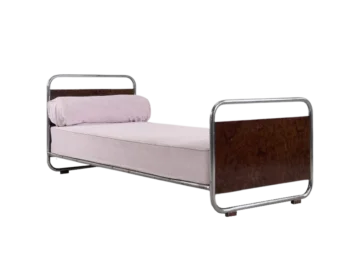
The late phase of the style is Streamline Moderne – aerodynamic forms, long horizontal lines and rounded corners. In France it was called the style paquebot, the ocean-liner style, after the “Normandie”, which made her maiden voyage in 1935 with interiors full of Lalique glass and Dunand lacquer. Most of the chrome Art Deco lamps and armchairs that reach the market today come from this phase.
Art Deco in Poland and Czechoslovakia
Poland was one of the great successes of the 1925 exhibition, winning more than 200 awards, including some 35 Grand Prix. Józef Czajkowski’s pavilion, with its crystalline glass tower, combined modern form with folk motifs, and Zofia Stryjeńska showed a cycle of decorative paintings there that earned her several top awards. Wojciech Jastrzębowski’s furniture was also honoured. In 1926 artists from this circle founded the Ład artists’ cooperative in Warsaw, which for decades produced furniture, textiles and ceramics using native materials and drawing on Polish tradition. Polish Art Deco culminated in the interiors of the liners “Piłsudski” (1935) and “Batory” (1936), which combined modernity with a national character.
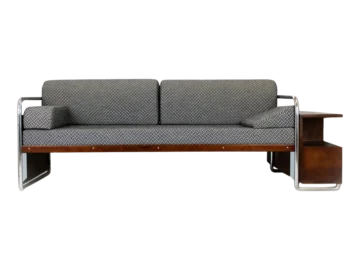
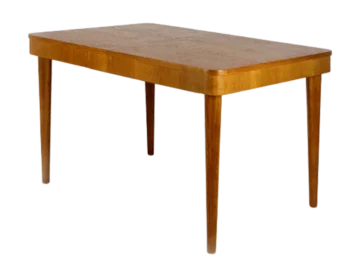
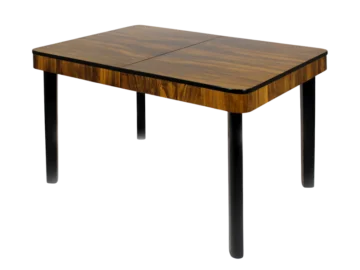
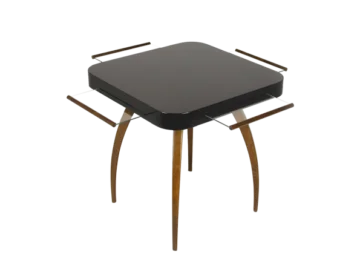
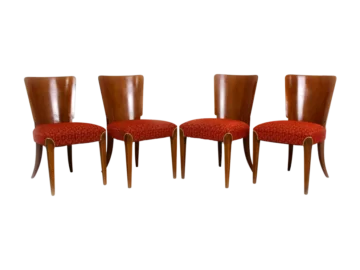
In Czechoslovakia, the counterpart to Art Deco was the Rondocubism of the early 1920s, and Josef Gočár’s pavilion won a Grand Prix in Paris. In the 1930s Jindřich Halabala worked at the UP závody factories in Brno as chief architect of one of the country’s largest furniture makers – his armchairs and tables combine late Art Deco with functionalism and are among the most sought-after furniture of the period today. The origin, materials and condition of every piece are described on its product page.