Collection
Minimalism in design
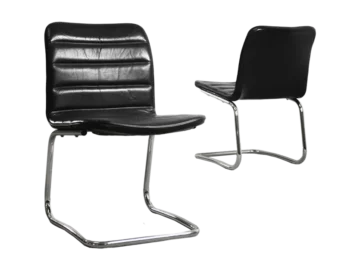
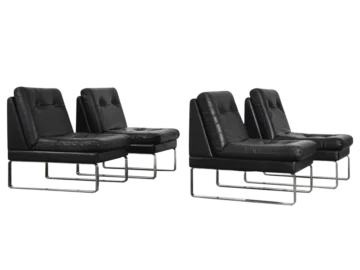
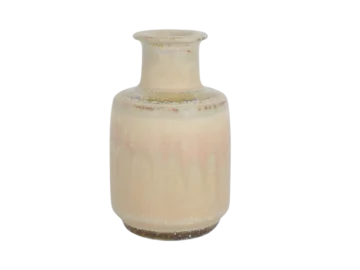
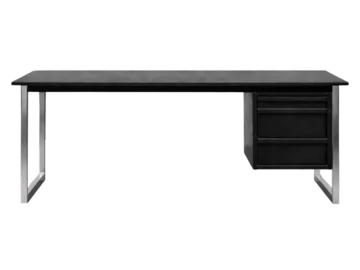
Minimalism is not the absence of things but the choice of the right ones – a few objects of the highest quality, simple form, honest material and plenty of open space. In 20th-century design the idea returned again and again: in modernism, in Japanese aesthetics, in the art of the 1960s and in German industrial design. Browse our minimalist design furniture and objects.
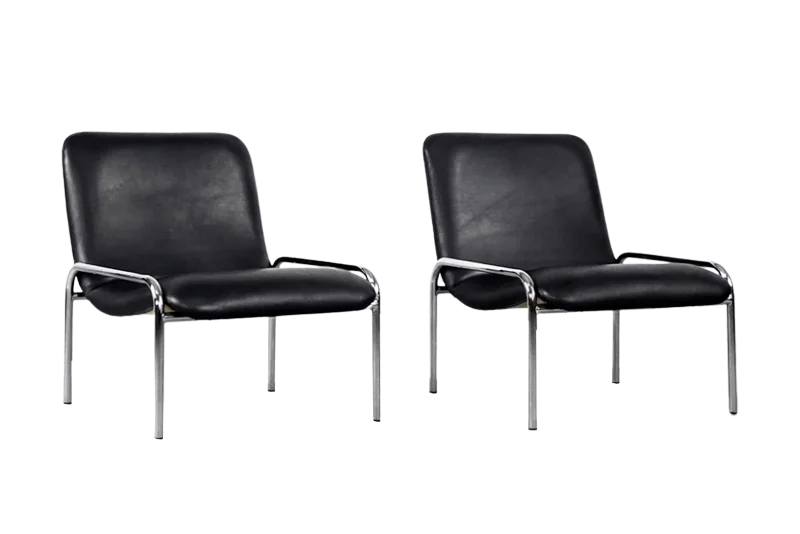
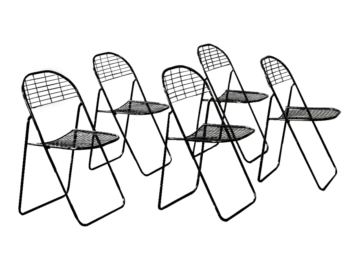
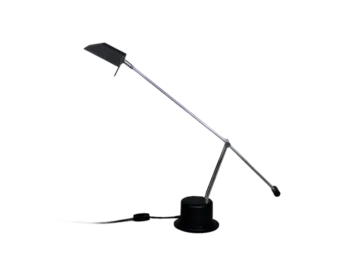
Less is more
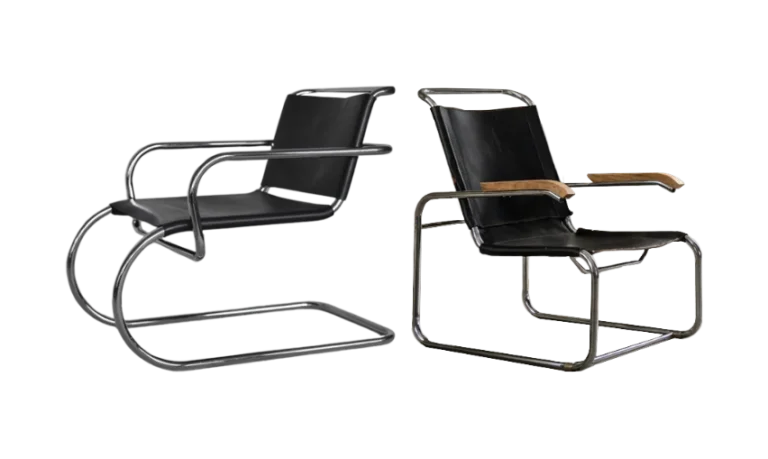
The phrase “less is more” is associated with Mies van der Rohe, who made it his motto, but it comes from a poem by Robert Browning of 1855. In modernist architecture and furniture it meant giving up ornament and reducing form to structure: a tubular steel chair, a glass wall, an empty, light-filled space.
The second source of minimalism was Japan. For centuries Japanese aesthetics valued emptiness in its own right – the concept of ma, the space between things – along with the beauty of simple, imperfect objects known as wabi-sabi. The German architect Bruno Taut, who arrived in Japan in 1933, held up the Katsura Imperial Villa in Kyoto as a model for modern architecture, and Walter Gropius visited it in 1953. Between 1940 and 1942 Charlotte Perriand advised the Japanese ministry of trade on design. The exchange continues in design to this day.
Minimal art and Donald Judd’s furniture
As the name of a movement, minimalism was born in art. In the early 1960s in New York, Donald Judd, Dan Flavin, Carl Andre and Robert Morris began making simple geometric objects from industrial materials – in opposition to the expressive painting of the previous generation. In his 1965 essay “Specific Objects” Judd wrote about new three-dimensional work, although he rejected the minimalist label himself.
Judd began designing furniture for his own use – around 1970 a bed and sinks for his building on Spring Street in New York, then furniture for Marfa, Texas. It was made from lumberyard pine boards and, from 1984, also from sheet metal, fabricated by the Swiss firm Lehni. Box-like, heavy and perfectly proportioned, it showed that minimalism could apply to a chair and a table too.
Less, but better
In industrial design, minimalism has the face of Dieter Rams. With Braun from 1955 and its head of design from 1961 to 1997, he worked in the orbit of the Ulm school, heir to the Bauhaus. The SK 4 radio-phonograph, designed in 1956 with Hans Gugelot and nicknamed “Snow White’s coffin” for its Plexiglas lid, is now in the MoMA collection. The 606 shelving system, designed in 1960 for Vitsœ, has been in continuous production ever since.
Rams summed up his approach in the phrase “Weniger, aber besser” – less, but better – and in the ten principles of good design he formulated in the 1970s. Good design, according to Rams, is among other things useful, understandable, unobtrusive, honest and long-lasting, and the last principle reads: as little design as possible. It is the most precise definition of minimalism in objects that we have.
Minimalism in the interior
In the 1970s and 80s the Japanese designer Shiro Kuramata showed how fine the line is between minimalism and poetry: his 1976 armchair made entirely of glass looks as if it is not there at all. In the 1990s the British architect John Pawson, who had lived in Japan as a young man and visited Kuramata’s studio, published the book “Minimum” (1996) and designed interiors in which space, proportion, light and material are the only decoration.
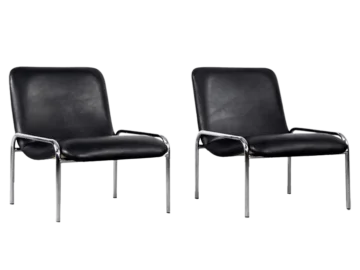
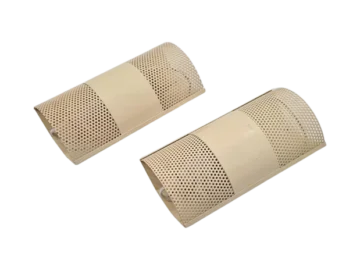
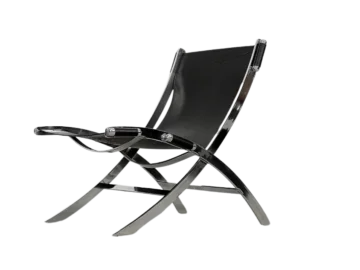
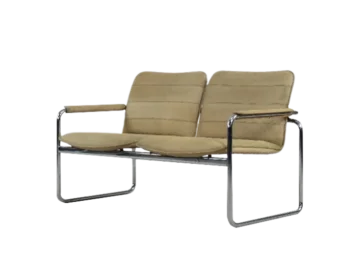
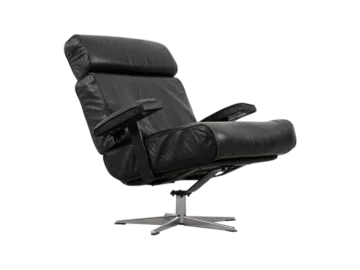
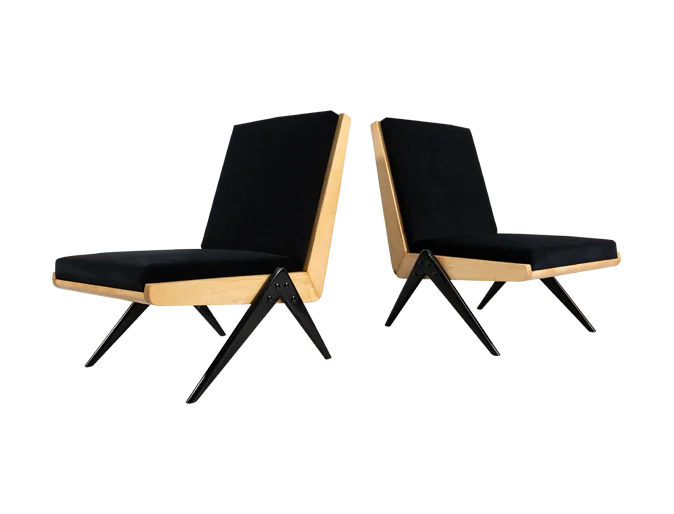
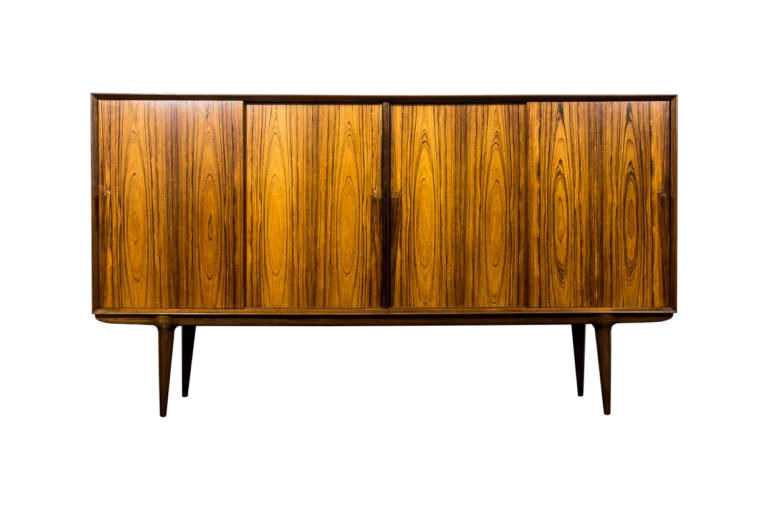
A minimalist interior need not be empty or cold. It needs a few pieces that can stand on their own – which is why vintage furniture with simple forms works so well in it: a modernist chair, a low solid-wood coffee table, a lamp of clean geometry. What counts is the quality of the making and a material that ages well. Dimensions, materials and condition of every piece are given on its product page.