Collection
Vintage Lithographs and Prints
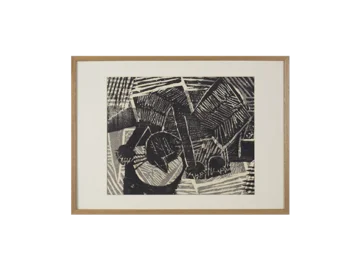
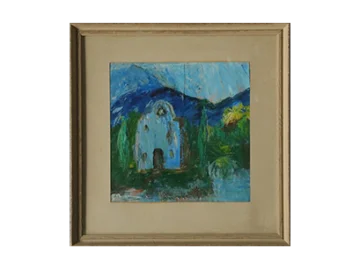
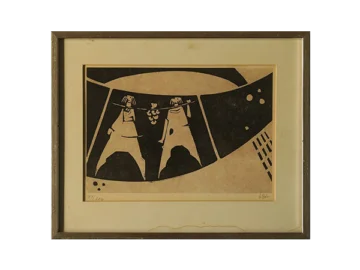
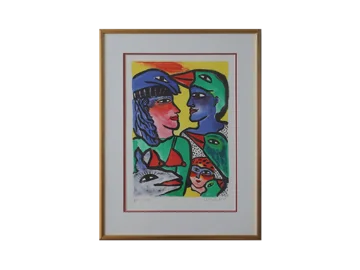
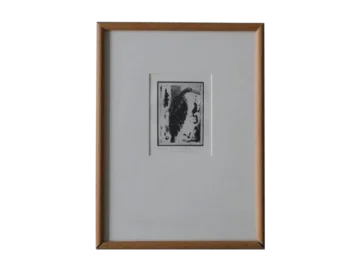
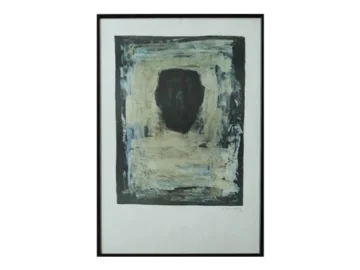
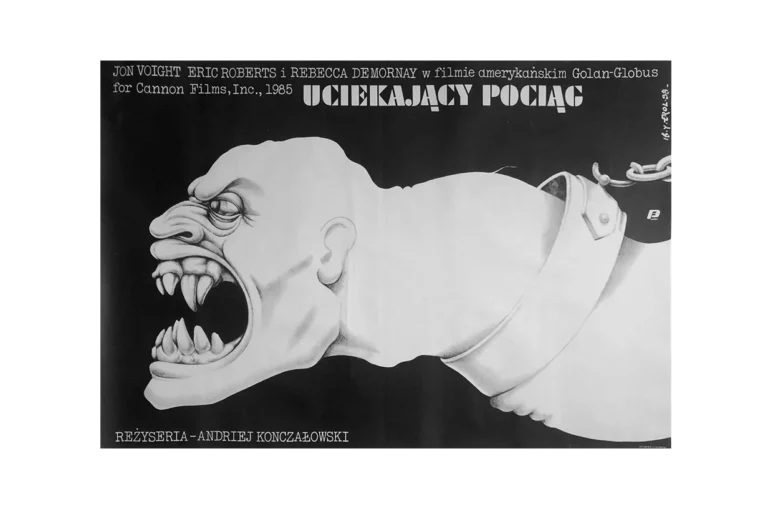
Vintage lithographs and prints are the simplest route to original 20th-century art – signed by the artist, from a limited edition, and far more affordable than a painting. The collection features prints from the 1950s–90s, mainly from Sweden, France and Denmark. Oil paintings and watercolours are in our vintage paintings category.
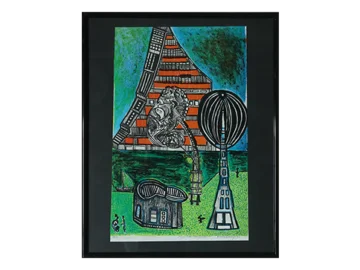
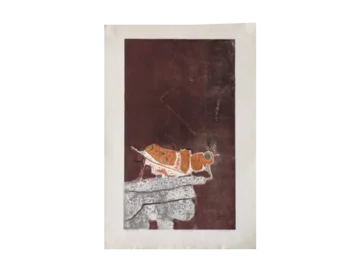
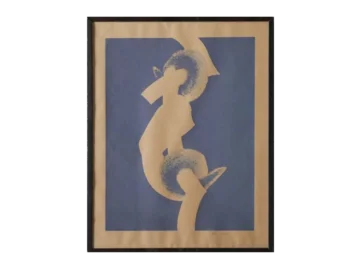
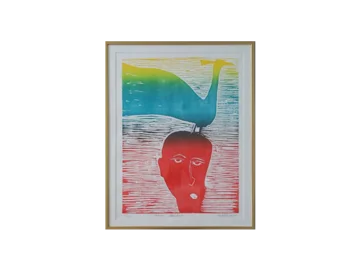
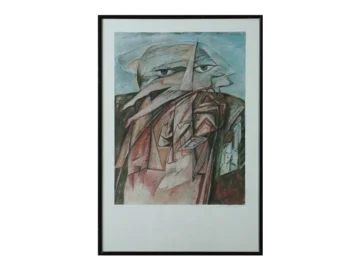
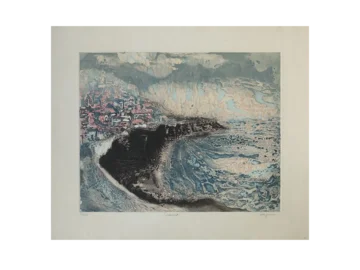
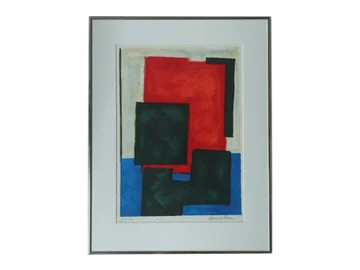
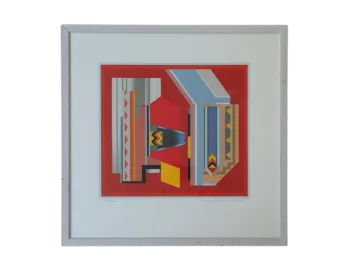
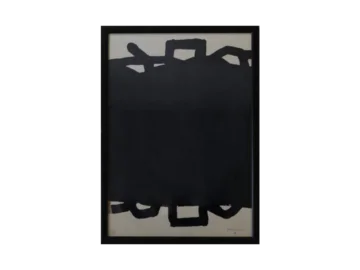
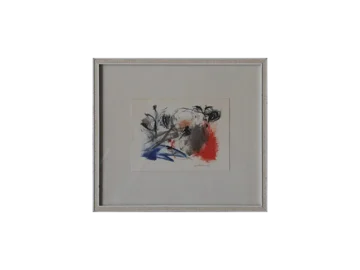
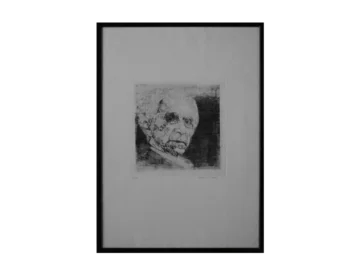
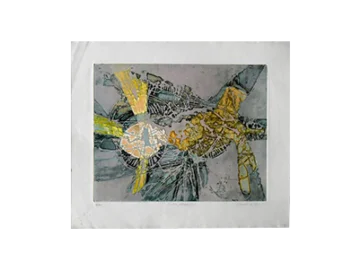
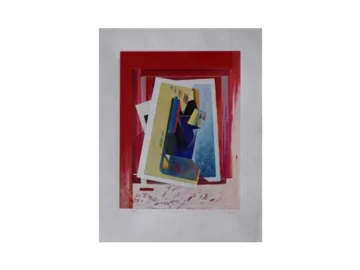
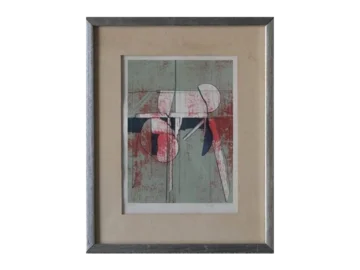
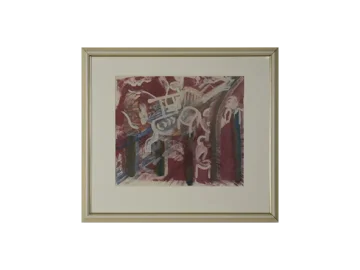
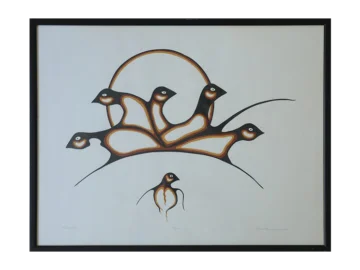
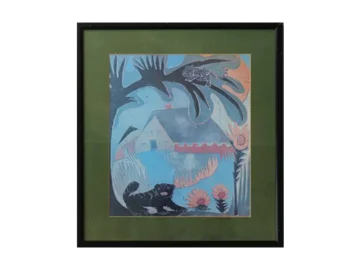
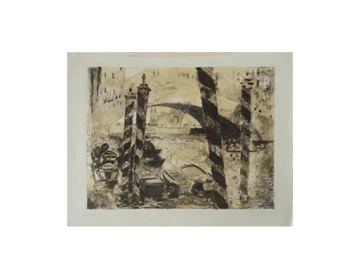
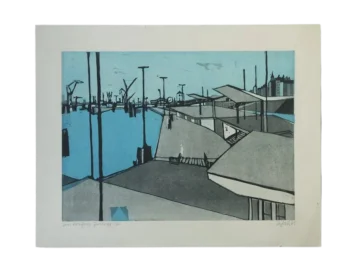
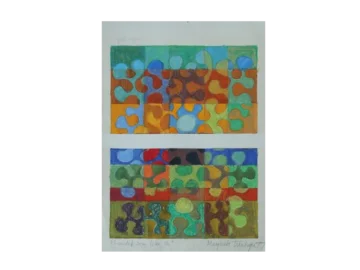
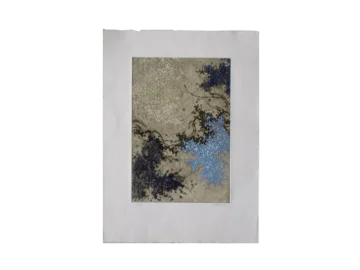
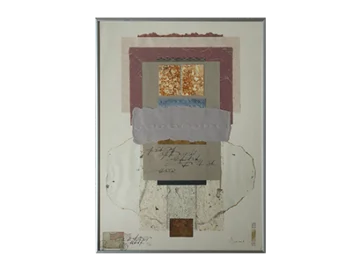
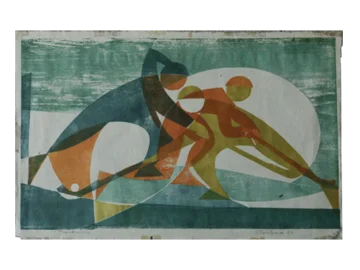
An original in many copies
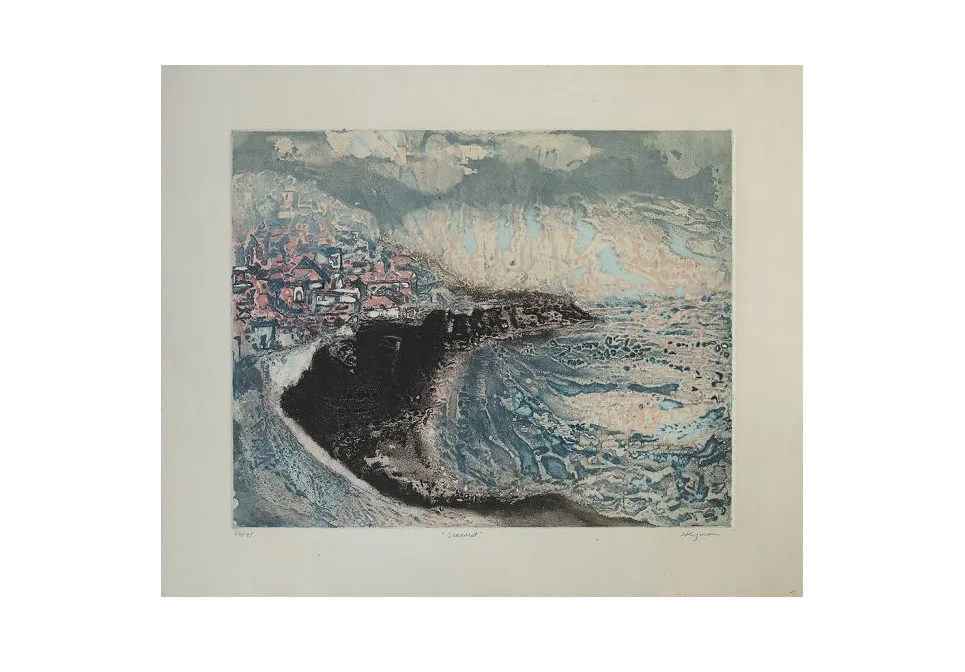
A fine art print is an original, even though it exists in many copies: the artist prepares the matrix – a stone, a plate or a screen – and oversees the printing, then signs and numbers each impression. Lithography was invented in 1796 by Alois Senefelder, and in the 20th century it became a favourite technique of painters: Picasso, Miró and Chagall worked with the Mourlot print studio in Paris, and their lithographs are collected on a par with their paintings. After the war, screen printing entered fine art, popularised by the Pop artists.
Printmaking was especially popular in Sweden and Denmark – galleries and artists’ associations published editions intended for the home, which is why signed prints from the 1960s–80s now reach the market in great variety.
Techniques: lithograph, screen print, etching
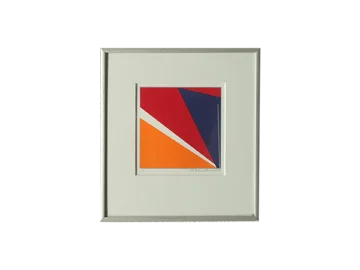
Lithography is a planographic process: the artist draws with a greasy crayon or ink on stone or a plate. Screen printing (serigraphy) produces flat, deeply saturated areas of colour – the ink is forced through a screen. Etching is an intaglio print from a metal plate bitten with acid; it leaves a plate mark you can feel on the paper.
Signature and edition number
An original print is usually signed in pencil by the artist and numbered, e.g. 25/150. The marking E.A. or P.A. denotes an artist’s proof outside the edition. An offset reproduction gives itself away under a loupe with a regular dot screen – lithographs and screen prints have none. The collection includes works by Paul Holsby, Åke Holm, Poul Esting, Hardy Strid and Margareta Treutiger, among others.