Collection
Mid-Century Modern Sideboards and Dressers
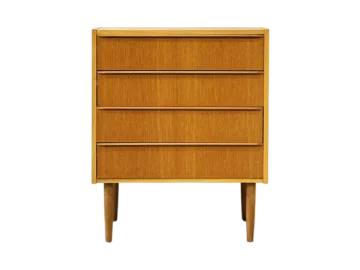
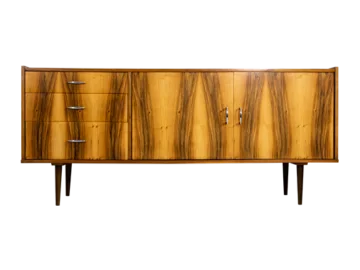
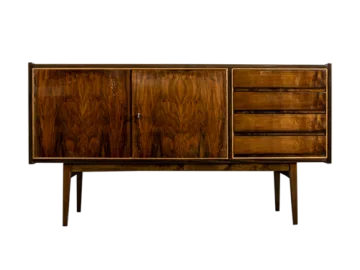
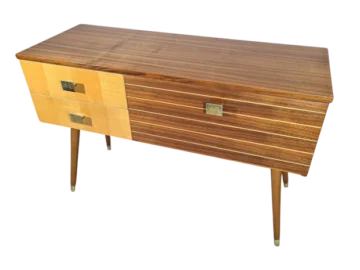
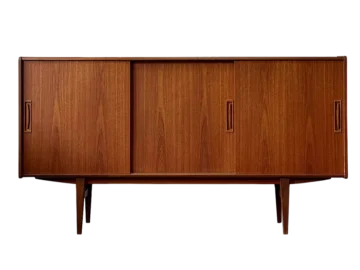
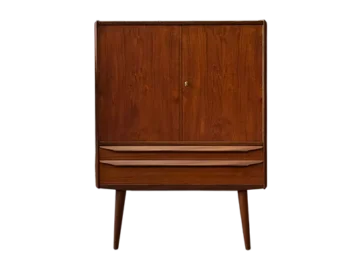
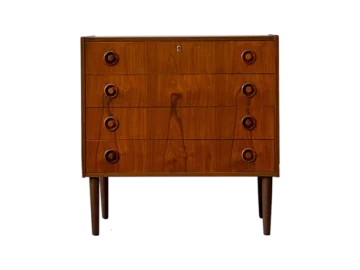
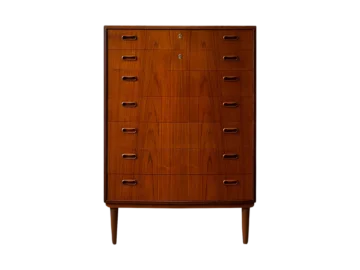
Mid-Century Modern dressers, sideboards and cabinets from the 1950s and 1960s – long, low bodies on slender legs, veneered in teak, rosewood or walnut. Danish classics, Norwegian and Swedish sideboards, Polish and Czechoslovak dressers of the period – originals only, with full dimensions and a description of condition.
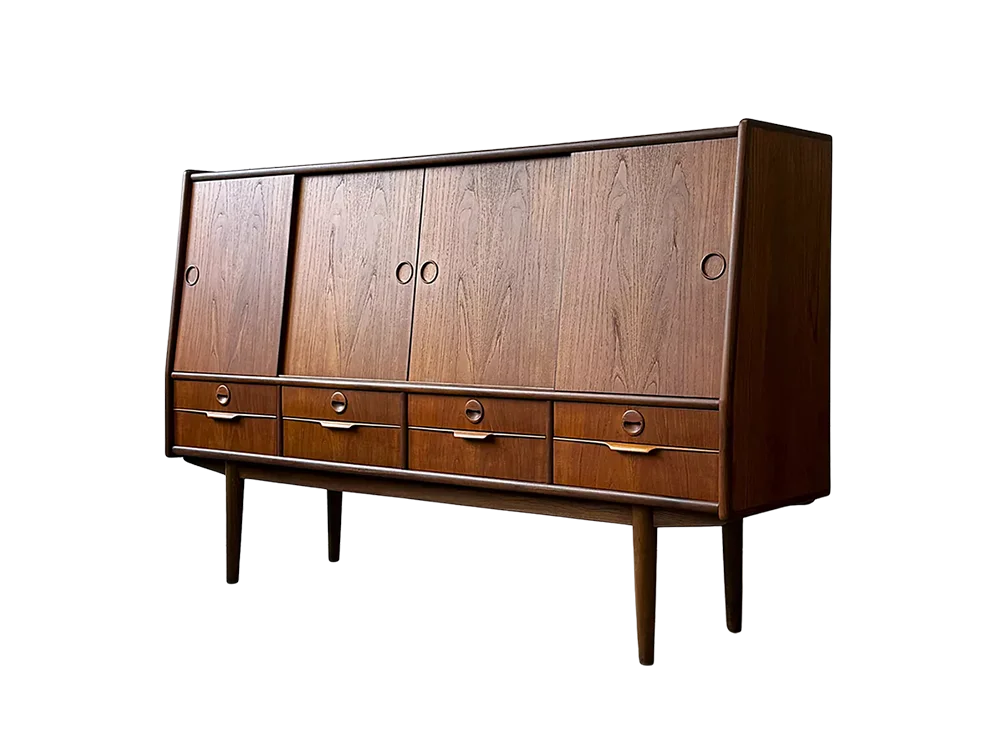
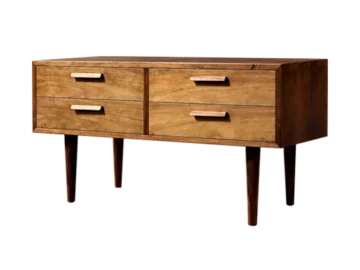
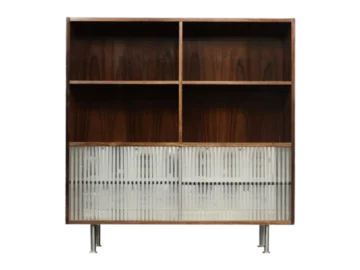
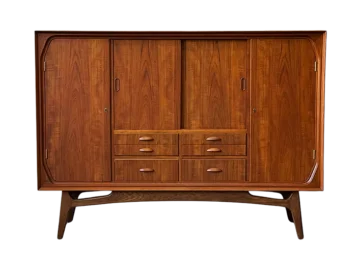
Rosewood shelving unit with glass shelves, Denmark, 1960s
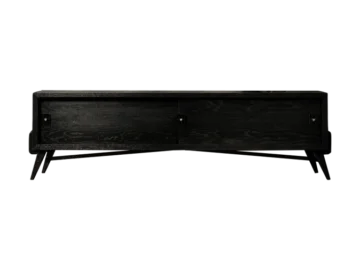
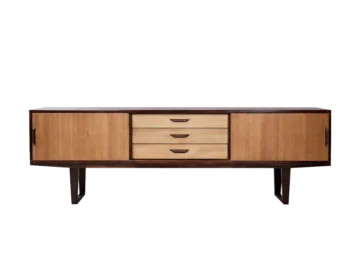
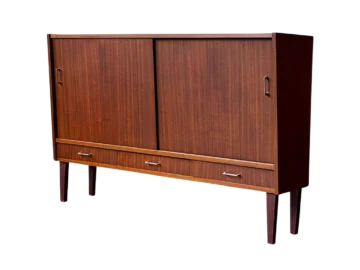
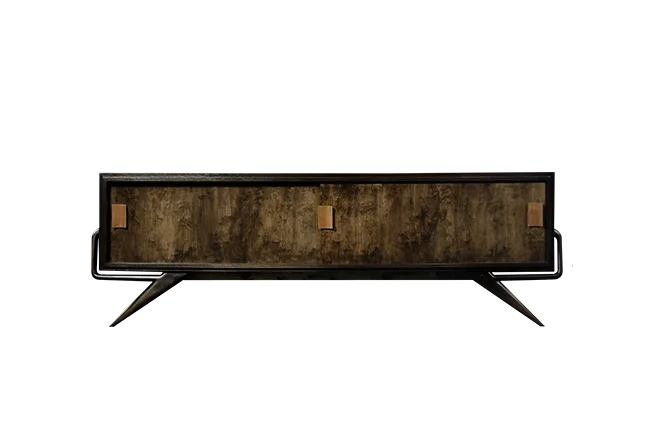
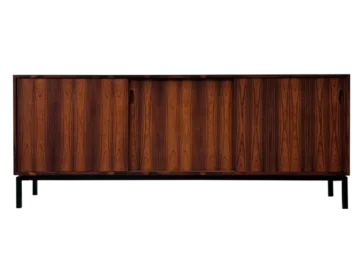
Modernist oak sideboard in a dark finish, Scandinavia, 1960s
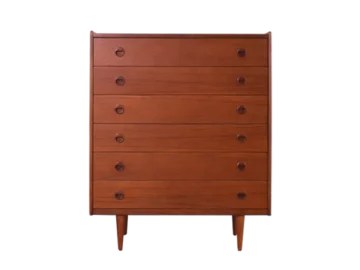
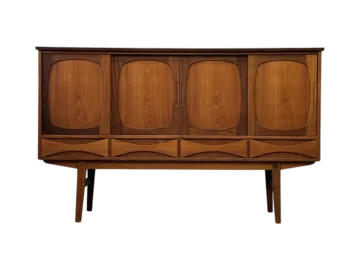
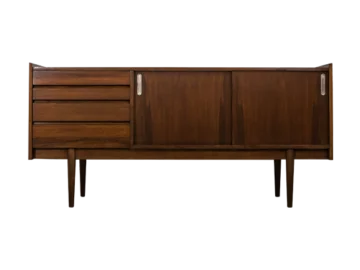
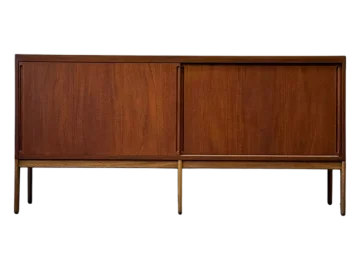
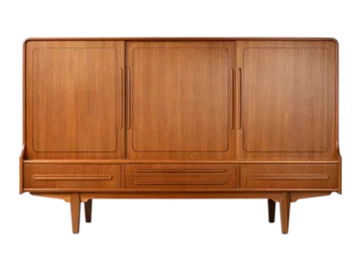
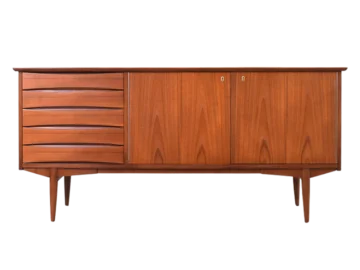
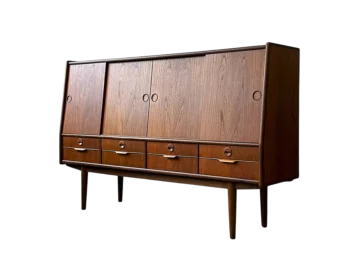
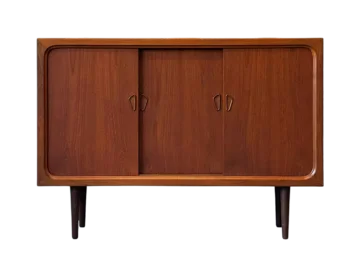
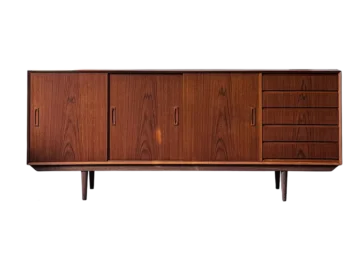
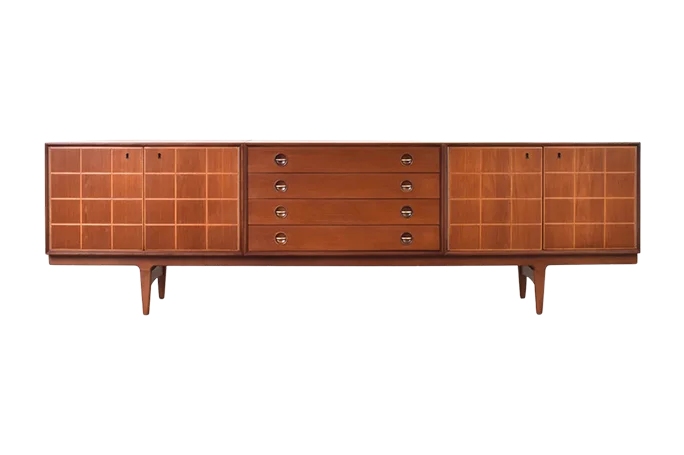
Teak sideboard, Denmark, 1960s
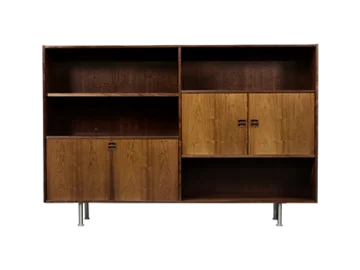
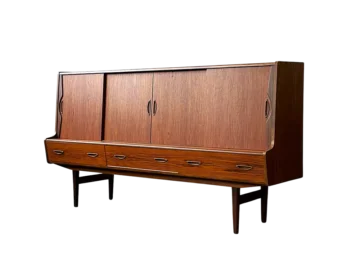
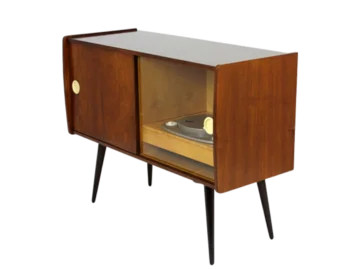
Rosewood bookcase with bar, designed by Æ. Jensen & T. Mølholm for Herning, Denmark, 1960s
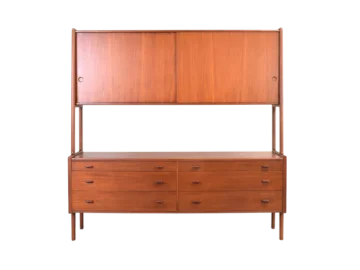
RY-20 sideboard designed by Hans Wegner, manufactured by Ry Møbler, Denmark, 1950s
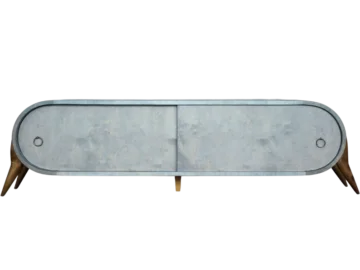
Rounded turquoise sideboard, Italy, 1960s
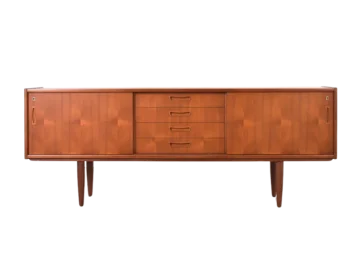
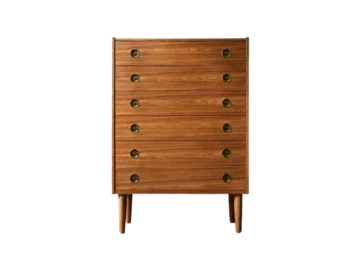
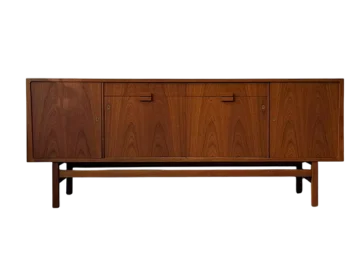
Vintage teak sideboard, Denmark, 1960s
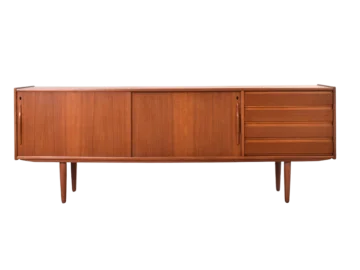
Teak sideboard, Denmark, 1960s
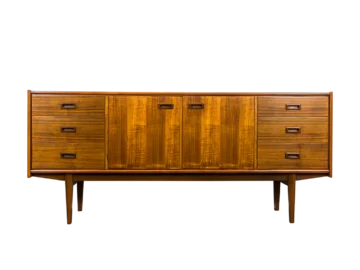
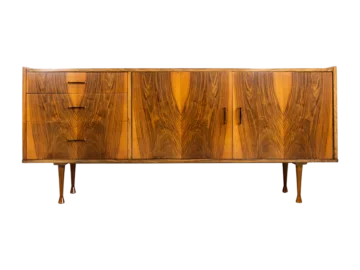
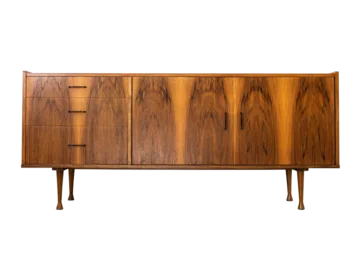
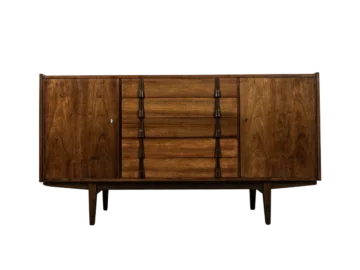
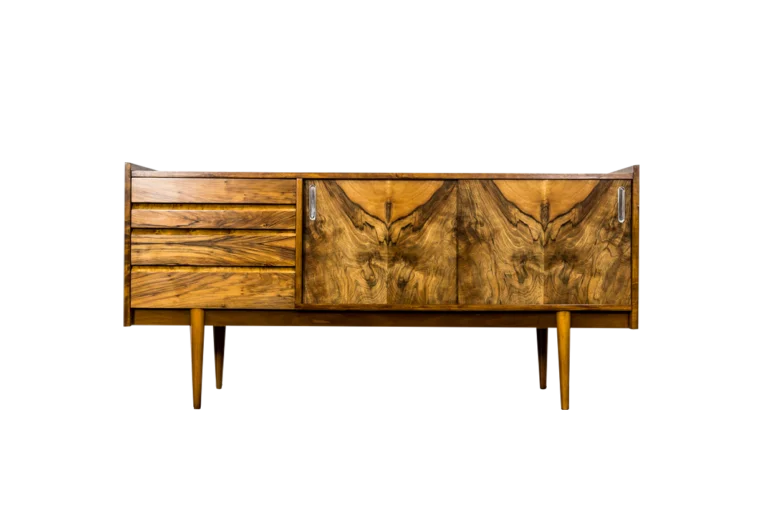
Sideboard, Bydgoskie Fabryki Mebli, PRL, 1960s
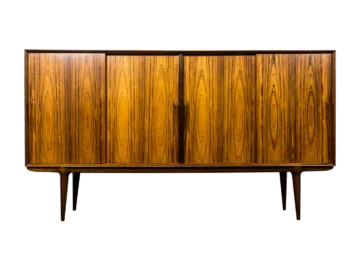
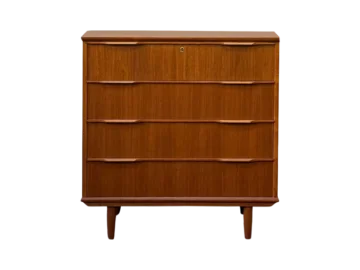
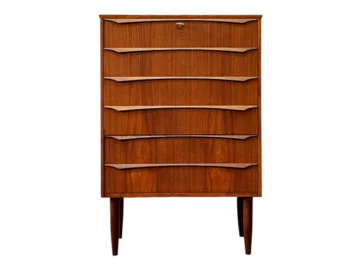
Sideboard, Model 19, Omann Jun, Denmark, 1960s
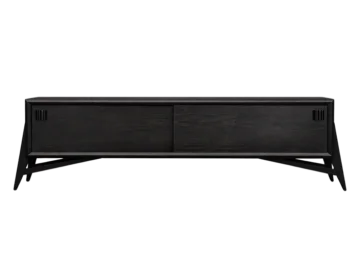
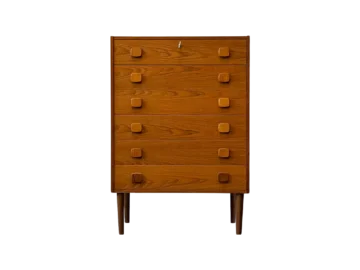
Oak sideboard with wooden handles, Scandinavia, 1960s
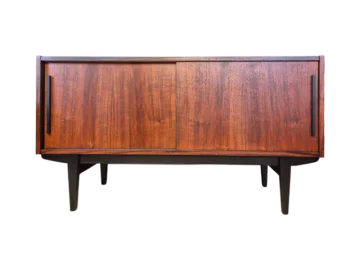
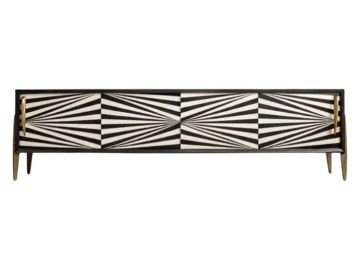
Vintage sideboard with Op-Art painted finish, Scandinavia, 1960s
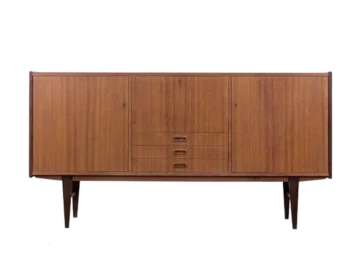
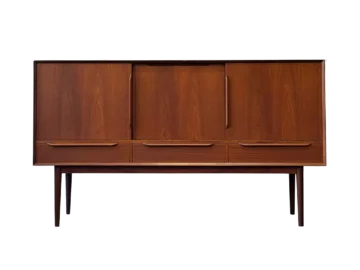
Classic teak sideboard, Sweden, 1964
Whole category: Sideboards and Cabinets
Danish mid-century sideboards and dressers
The Danish teak sideboard is the most recognisable piece of mid-century furniture. It is judged on three things: the veneer – in the best pieces matched so that the grain runs across the whole front; the drawers – dovetailed, with smoothly running runners; and the details – handles routed into the wood instead of metal knobs, and adjustable shelves.
Teak and rosewood sideboards were designed for Sibast by Arne Vodder, dressers for Feldballes Møbelfabrik by Kai Kristiansen, and for Omann Jun by Gunni Omann – their models are identified today by number, such as Model 13 or Model 19. The RY-20 dresser by Hans J. Wegner was made by Ry Møbler. More in the Scandinavian dressers and Teak furniture collections.
Norwegian and Swedish mid-century sideboards
Norway had its own school of case furniture – teak, simpler forms and solid joinery. Dressers were designed by Fredrik A. Kayser and made by, among others, Skeie & Co. of Norheimsund and Sven Andersen Møbelfabrikk. The Swede Nils Jonsson designed sideboards on both sides of the border – for the Norwegian P.S. Heggen and the Swedish Hugo Troeds, which made his Trio sideboard.
Polish mid-century dressers and cabinets
After 1956 Polish factories began making modern case furniture: low dressers and cabinets on slender legs, veneered in walnut, ash or teak. They were made by, among others, Bydgoskie Fabryki Mebli, Bytomskie Fabryki Mebli and Zielonogórskie Fabryki Mebli – the latter including the Violetta dresser. Cabinets were designed by Rajmund Hałas, among others. More in the Polish dressers and Polish cabinets collections.
Czechoslovak mid-century dressers
Dressers and cabinets for Interiér Praha were designed by Jiří Jiroutek, and UP Závody made sideboards, including designs by František Mezulánik. Czechoslovak dressers speak the same language as Danish ones – slender legs, walnut or teak veneer, plain fronts – but are often more geometric, with contrasting drawers. More in the Made in Czechoslovakia collection, and all period dressers, not only in this style, in the vintage sideboards and cabinets category.
Designers and manufacturers
Frequently asked questions
What is the difference between a dresser, a sideboard and a cabinet?
A dresser has mainly drawers. A sideboard is a long, low cabinet for the dining or living room – with doors, often sliding, and cutlery drawers. A cabinet is taller, often with a top section or glazed display.
Is a Danish teak sideboard made of solid wood?
Usually not entirely: the carcass and fronts are typically teak veneer on plywood or blockboard, while the legs, edges and handles may be solid teak. This is the standard construction of the period, not a flaw. We state the materials for every piece.
What is the difference between a mid-century dresser and a mid-century style dresser?
A mid-century dresser was made roughly between 1945 and 1970; a “mid-century style” dresser is a contemporary reproduction of the form. Originals, especially signed ones, gain value over time, while reproductions have no collector value.
How should I care for teak veneer?
A dry or slightly damp cloth is enough for everyday care, without silicone products. Teak oil should only be used on oiled pieces – some period dressers are lacquered and oil does them no good. If you are not sure how your piece is finished, ask us. Use coasters under hot and wet dishes.